





Now Reading: Through might, the history is through him
-
01
Through might, the history is through him

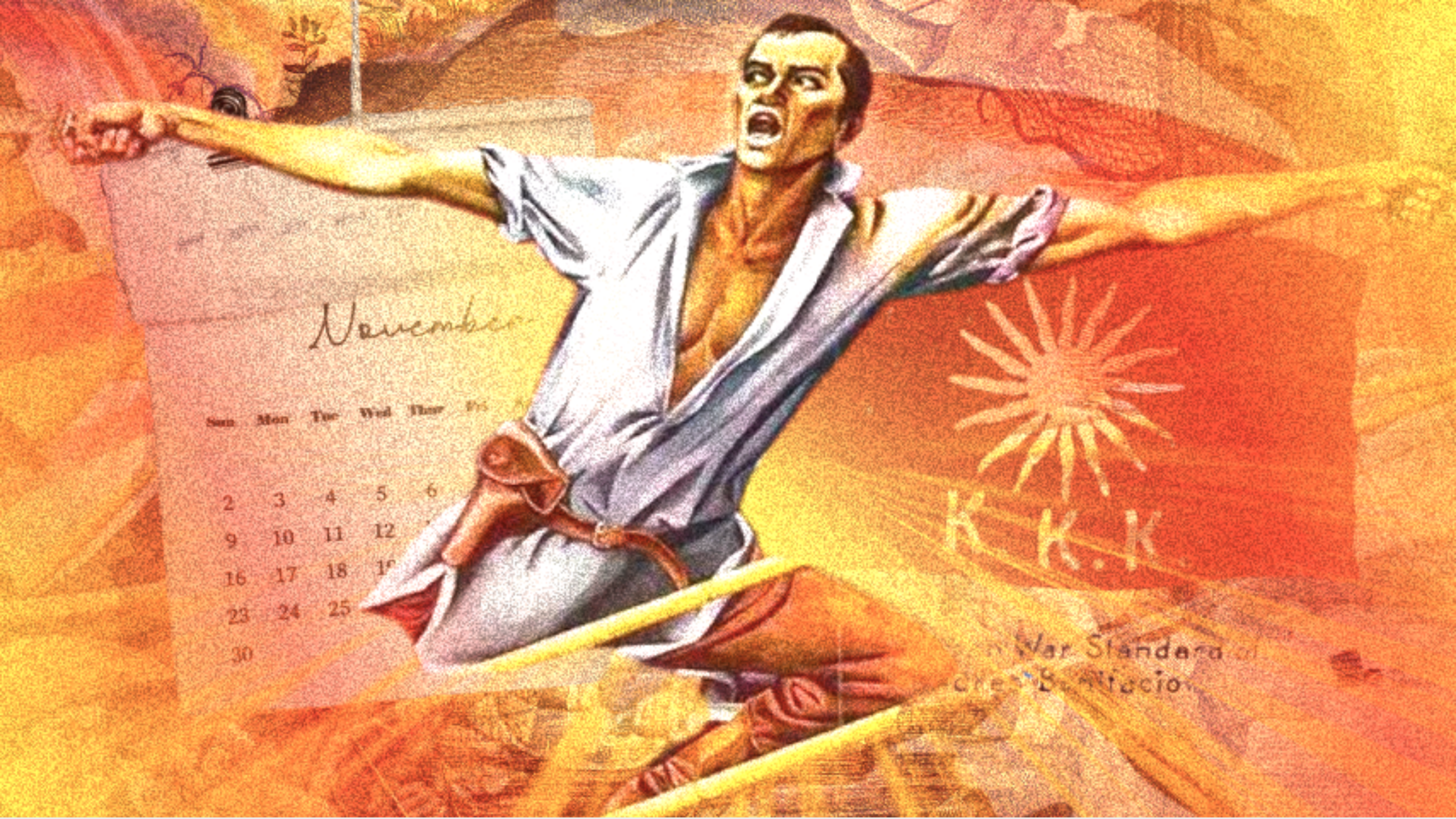
November 30 is the birthdate of a hero, remembering the courage and strength towards independence.
Like any national heroes we all know, Andres Bonifacio was once fought and died in the wake of the Filipinos’ movement to change from the chained country under the Spaniards.
From the honor and pride being recognized, every November 30 pauses every Filipino to reflect Bonifacio’s beautiful tragedy of patriotism and sacrifice – marking the Filipino nature of fighting and calling for reform from those oppressed or deprived lives.
Filipinos are aware of Bonifacio’s birthdate, November 30, 1863, in a small hut at Calle Azcarraga, known as Claro M. Recto Avenue in Tondo, Manila. However, what most Filipinos do not know about this figure of leadership for the revolutionary movement is the fact that he was once faced with the tightrope of challenges to thrive for survival and freedom.
Lived from poverty, Bonifacio, the eldest among the five children of deceased Santiago Bonifacio and Catalina de Castro assumed his responsibility to raise his younger siblings while selling paper fans and canes and working as a messenger and warehouse man at the same time. His early life filled with huge weight to meet their ends – underlining the typical Filipino state during the Spanish colonization in the country to survive from this socio-economic challenge.
Despite his state, it did not hinder him to be enlightened of basic knowledge of the country’s cancer through reading books, learning English language, skilling in visual and performing arts, and others – leading him to be involved in revolutionary affairs.
As he grew up being thirsty for the change, he involved in La Liga Filipina where the national hero Jose Rizal established to call for reform from Spaniards. Yet when Rizal was being arrested, Bonifacio’s inner self decided to pressure the reform through Katipunan, also known as Kataas-taasang Kagalang-galangang Katipunan ng mga Anak ng Bayan (KKK) or Highest and Most Respected Society of the Children of the Country.
Iconically, the Philippine revolution critically engraved Bonifacio’s name as the Presidente Supremo, or the top leader of Katipunan, bringing more than hundreds and thousands of the members across different places and walks of life to join the cause for freedom by fist and might.
It was a good fight; their screams of victory initially triumphed their aim – yet ended up being trapped in the hands of fellow Filipinos. Accused and convicted to death, Bonifacio passed away from an ill fate, leaving marks of rivalry and betrayal within himself at the age of 34.
Hailing the figure of bravery
To be given a massive recognition of the life and works of “Supremo”, his birthdate was included to the acknowledged national holidays in Republic Act No. 2711, though became a controversy of setting Bonifacio Day to his birth due to the event where he was executed by his fellow countrymen. In the present, Bonifacio Day is annually observed at Bonifacio Monument in Caloocan, signifying its statue created by Guillermo Tolentino to honor his undying passion for freedom.
For the Philippines, November 30 is a national holiday. However, honoring him does not end in its observance every year; it praises how he differently stood up on his own feet to fight suppression and suffering of fellow Filipinos by the colonizers.
Many may know Bonifacio as the leader of revolutionary change, weaponing with his bloodiest way of freeing the country. Beyond that, many neglect Bonifacio’s ‘outside-the revolution’ contributions that worthwhile celebrate: from the authorship of “Pag-ibig sa Tinubuang Lupa” and “Ang Dapat Mabatid ng mga Tagalog.”, multi-linguistic proficiency to Tagalog, English, and Spanish, and the establishment of society paper Kalayaan. These contributions testified Bonifacio’s strong competence and commitment to education, and social justice in his time.
Bonifacio Day reminds Filipinos to refuse any form of oppressions that suffer countrymen from all walks of life as Bonifacio instilled throughout his life. It is a date to call for action: November 30 is for transformation beyond a mere commemoration of one’s birth.
Inspired by many, Bonifacio’s legacy in Philippine history continues to move against violence and sufferings which evoke strong frustration and desperation for change, especially in the present state of the country’s corruption, political dynasty, and injustice for all.
Patriotism, from Andres Bonifacio shall bring its principles and strengths to today’s Filipinos who are in the fight for equality, and fairness. For the Philippines, Bonifacio Day is the lifetime memory to explore, and emphasize its meaningful impacts to the nation’s hunger to eradicate oppositions and conflicts.
As November 30 hits the calendar, it is a time to empower accountability, integrity, and sovereignty that Bonifacio started a long time ago. He might not finish his aim in his time, the might he held shall continue to make difference in the present Philippine era.
And we, Filipinos should move forward to revolt for the betterment of the country. Surely, Bonifacio will be prouder of our small yet critical movement – living the mighty legacy beyond a one-day celebration.