








Now Reading: HONEY HAVEN: Saving PH honey industry through anti-diabetic sweet honey
-
01
HONEY HAVEN: Saving PH honey industry through anti-diabetic sweet honey
HONEY HAVEN: Saving PH honey industry through anti-diabetic sweet honey

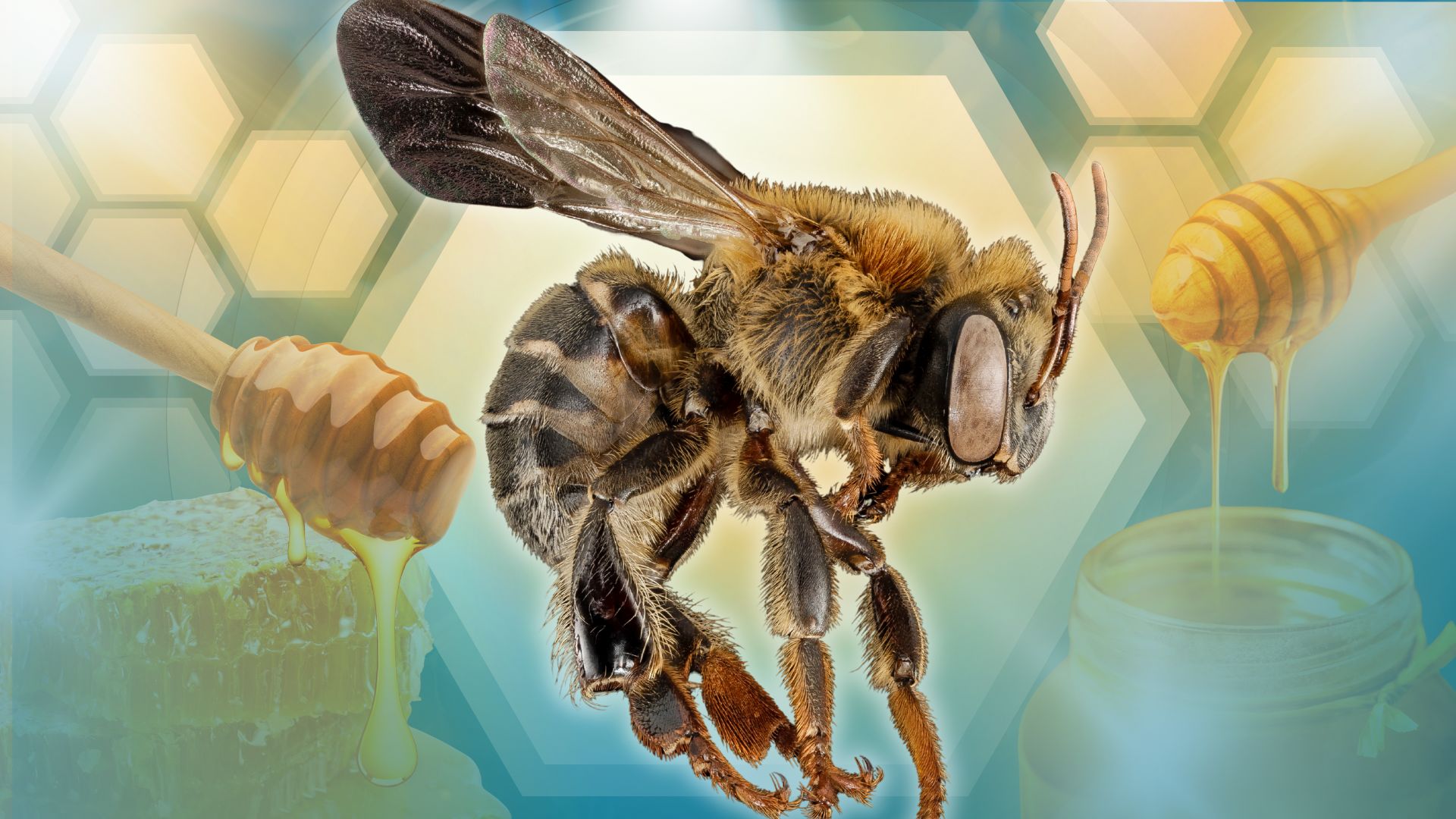
This honey is so sweet it can help people treat their diabetic problems, and scientists have created a way to verify them.
Scientists from the University of the Philippines (UP) have developed a method to distinguish and authenticate various types of honey from different species of bee in order to determine each of their unique characteristics and potentially help boost the honey industry of the country.
According to the study published in the journal Food Chemistry, the researchers innovated a handheld instrument that uses x-ray fluorescence spectrometry (XRF) technology to classify honey samples according to their entomological origin or their characteristics.
XRF is a method to determine the elements that make up a material, which in this case is the honey.
After several tests, they found that the device is able to identify Philippine stingless bees with 94.1% accuracy and 100% specificity. This means that every honey that the instrument recognizes is made by the said bee species.
To BEE marketed
Being a biodiverse country, the Philippines houses many of the world’s bee species including the European honeybee (Apis mellifera), Philippine giant bees (Apis breviligula and Apis dorsata), and the Philippine stingless honeybee (Tetragonula biroi), as stated in the study.
In line with this, an article by the Department of Science and Technology (DOST) cites that honey demand in the Philippines is huge with most consumers seeking such natural sweeteners while some search for honey-based products such as skincares.
Moreover, honey contains nutritional content that is hugely beneficial to an individual and is sometimes used in the medical field. These factors make beekeeping a promising agricultural business in the archipelago.
However, the industry faces a huge challenge.
Honey in danger
Data from the Department of Science and Technology-Philippine Nuclear Research Institute (DOST-PNRI) shows that about 80% of honey sold in the market are fake with most of them being adulterated containing artificial sweeteners as additives and other substances.
“62 out of the 76 (82%) of honey brands that were found to be adulterated were composed of 95% C4 sugar syrup. So, they are not actually adulterated but they are just completely purely sugar syrup,” DOST-PNRI resident, Dr. Angel T. Bautista VII said.
These cases pose a huge threat to honest beekeepers in the Philippines since it destroys the integrity of the industry. The Philippine National Standard for Honey of the Bureau of Agriculture and Fisheries Standard remarks that there should be no additives in honey sold in the market.
“You may be buying honey for its wonderful health benefits, but because of adulteration, you may actually just be buying pure sugar syrup. Consuming too much pure sugar syrup can lead to harmful health effects,” Bautista added.
Such harmful effects may include one of the most significant health crises in the Philippines — Diabetes. In 2024, the International Diabetes Federation (IDF) recorded over 4.7 million cases of diabetes in adults with around 7% prevalence.
Honey to BEE saved
Fortunately, there is now light for the honey industry. The particular bee species that the innovation of UP scientists detect are the stingless honeybee which produces a unique type of honey as it actually helps in treating diabetes despite being a very sweet treat.
According to a study published in the journal Frontier, this one of a kind honey contains anti-diabetic properties because it raises insulin expression level rather than lowering it. Meaning that it inhibits blood sugar from rising .
On top of that, stingless bee honey has a far greater amount of antioxidant properties than most of the other species of bees thus, making your body more resistant to diseases.
With this, beekeepers can be sure that their produced honey will be top quality and with great benefits to the people that look forward to having a good, sweet honey in their system.
By addressing the artificials and the frauds through proper scientific means, there may be a time where the Filipinos will no longer face the risks of fake sweeteners and doubt the quality of a honey in the market as the country embraces a honey haven where authentic, nutritional, and local honey is valued more than ever.