











Now Reading: DepEd pushes for makeup classes despite teacher groups’ opposition
-
01
DepEd pushes for makeup classes despite teacher groups’ opposition

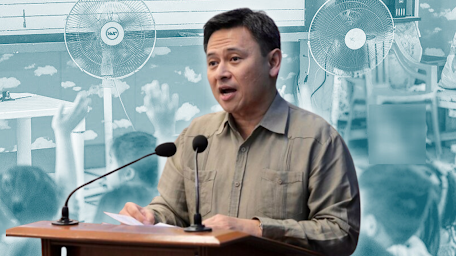
Despite firm opposition from major teachers’ groups, the Department of Education (DepEd) is moving forward with its plan to conduct makeup classes after a series of tropical cyclones and monsoon rains led to widespread class suspensions nationwide.
Speaking at the launch of the Quality Basic Education Development Plan (QBEDP) 2025–2035 on July 29, Education Secretary Sonny Angara stressed the need to hold makeup sessions to mitigate the effects of lost learning time.
“We really plan to have makeup classes because if we don’t, it will affect our kids,” Angara said.
He noted, however, that implementation would be flexible to accommodate varying school conditions.
“Makeup classes can be scheduled during weekdays or on Saturdays, depending on the school’s situation,” he explained. “We also have to consider the workload of our teachers; we want them to get the rest they deserve.”
Teachers’ unions, however, have raised concerns over the timing and necessity of additional class days.
“The academic calendar already includes buffer days designed to cover situations like this,” said Vladimer Quetua, chairperson of the Alliance of Concerned Teachers (ACT).
While acknowledging the threat of learning loss, Quetua urged DepEd to exhaust the calendar’s built-in flexibility before adding more class days.
Benjo Basas, chairperson of the Teachers’ Dignity Coalition (TDC), likewise objected to the plan, particularly to Saturday sessions.
“This goes against the department’s own push for work-life balance,” Basas said, pointing out that DepEd’s guidelines allow makeup classes only if the mandatory 180 school days are compromised.
He warned that weekend classes could place added stress on teachers and students, especially following disruptions caused by natural calamities.
Classes in Metro Manila and several other provinces were suspended for nearly a week last week after successive landfalls of tropical cyclones Crising, Dante, and Emong, compounded by intensified southwest monsoon rains.
The makeup class announcement coincided with the launch of DepEd’s 10-year education reform blueprint, the Quality Basic Education Development Plan (QBEDP), which aims to address the country’s worsening learning crisis.
Angara, who led the launch with Senator Sherwin Gatchalian, said the plan would guide systemic reforms until 2035.
Citing United Nations International Children’s Emergency Fund (UNICEF) findings on poor student performance, Angara expressed confidence that sustained efforts will help raise the country’s international education rankings, including in the Programme for International Student Assessment (PISA).