








Now Reading: ABCs of Pop Psychology—and how it’s getting ‘lost in translation’
-
01
ABCs of Pop Psychology—and how it’s getting ‘lost in translation’
ABCs of Pop Psychology—and how it’s getting ‘lost in translation’

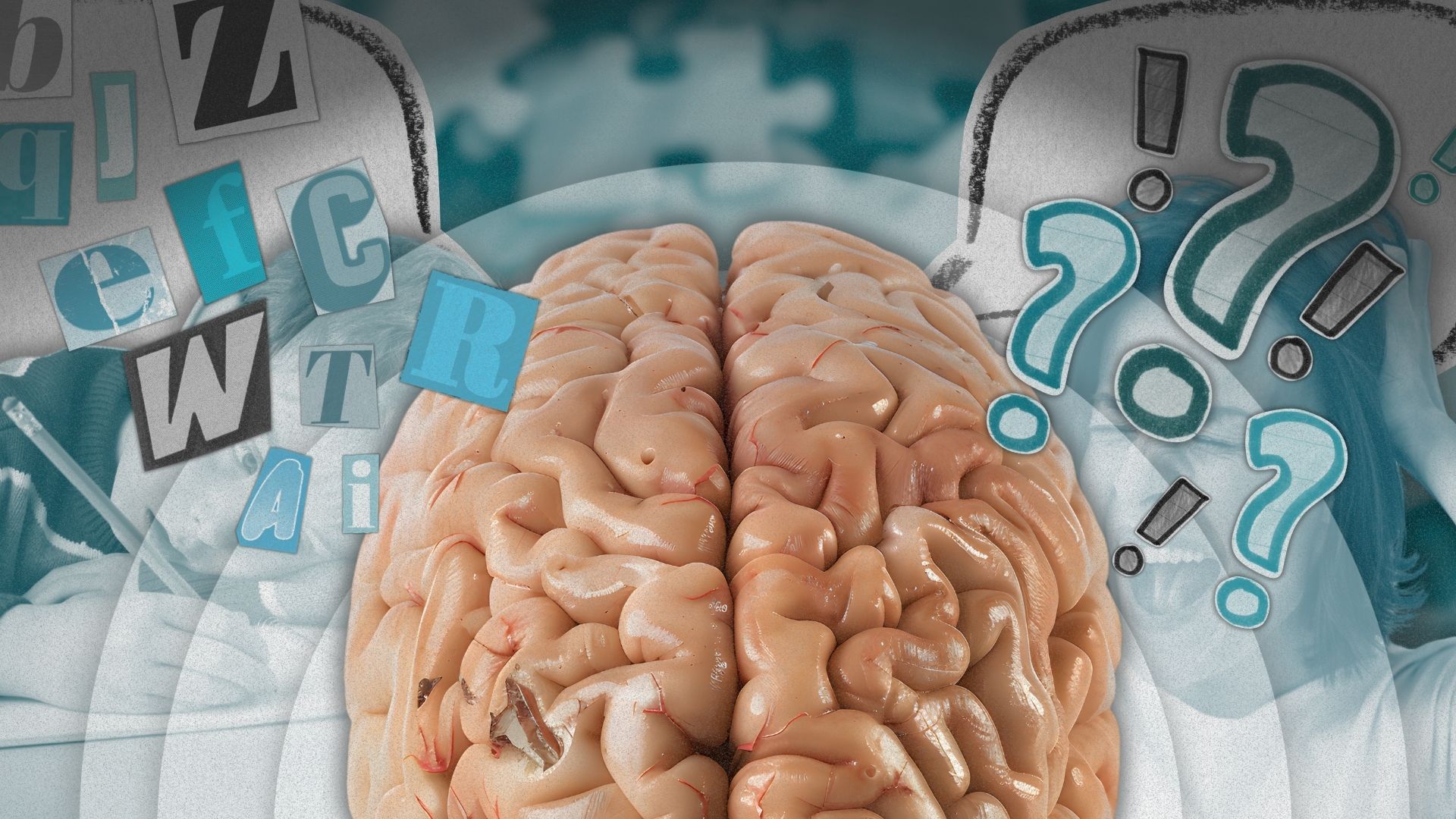
Words carry an enormous weight, and for psychological terminologies to become commonplace, many stigmas had to be overcome—mostly credited to Millennials’ and Generation Zs’ push for mental health awareness.
Yet, with accessibility comes a nuanced problem: crucial lexicon has been diluted to fit everyday contexts, where its overuse now leads to oversimplification.
Labels, simplified to a fault
It is true, psychology should be available to the public. However, psychologists have warned that misuse downplays the weight these terms carry.
“The danger there is that when they are used colloquially, there’s a tendency for people to not take the word seriously anymore when it’s told by somebody who really means it,” psychologist Dr. Randy Dellosa told ABS-CBN News.
Dellosa added, the casual use of these terms can lead to those who really have disorders being dismissed, belittled, or otherwise invalidated for using the words to describe serious symptoms in themselves.
Here are 10 of the most commonplace psychological terms and how they have been lost in translation:
Attention-Deficit/Hyperactivity Disorder (ADHD)
Distracted? Much to the frustration of psychologists and those who actually live with ADHD, the condition has become synonymous with being easily distracted, when in fact it is far more complex.
Attention-Deficit/Hyperactivity Disorder or ADHD is a neurodevelopmental disorder characterized by a continuing pattern of inattention, hyperactivity, and/or impulsivity, making daily life significantly difficult.
“TikTok and other social media platform algorithms either oversimplify the condition or blatantly present incorrect information. Often attributing transdiagnostic symptoms [or common psychological experiences that appear across multiple mental health disorders], as being specific to ADHD, such as mood and anxiety issues, anger, rapidly shifting moods, dissociation, and relationship issues,” clinician and researcher Russell Ramsay says.
Where it gets lost in translation is when ADHD is flippantly used to describe temporary lack of focus or occasional forgetfulness, when one is simply distracted, absent-minded, or preoccupied.
Antisocial
Was the person antisocial or just asocial? The key difference: one is simply withdrawn, the other openly defiant.
Antisocial Personality Disorder, where the word antisocial is a fragment of, sometimes called sociopathy, is a serious mental condition marked by a persistent disregard for others’ rights, lack of empathy, deceit, manipulation, and often criminal behavior.
This may stem from genetics, childhood environment, and symptoms developing from Conduct Disorder, a persistent pattern of aggression and rule-breaking, in youth.
Dellosa suggests, there are a significant number of people with antisocial personality disorder in politics because “the culture of politics attracts them, because the culture allows them to engage in hidden illegal activities.”
To describe someone wanting to be alone as antisocial is where it gets lost in translation, when really, one simply means asocial, socially reserved, or introverted.
Bipolar
For something to be bipolar in the internet space is to mean someone is moody, flighty, or indecisive—turning a serious disorder into casual descriptors.
Bipolar disorder, formerly called manic-depressive illness or manic depression, is a mental illness marked by extreme shifts in mood, energy, and concentration, including periods of mania and depression.
Periods of extreme elatedness, irritability, and energized behavior, known as manic episodes, and periods of extreme sadness, loss of interest, and hopelessness, known as depressive episodes, characterize the mood swings of an individual with bipolar disorder.
“Instead of lightly throwing around phrases like ‘she’s so bipolar’ when referring to a friend’s moodiness, we should say exactly what we mean—describing them as being ‘unpredictable’ would also work,” clinical director and registered clinical counselor at Lotus Therapy & Counselling Centre Nilou Esmaeilpour says.
Where it gets lost in translation is when the word bipolar is offhandedly used to describe moodiness or indecisiveness, when we could have said temperamental, inconsistent, or unpredictable.
Gaslighting
Ever heard of the meme Gaslight, Gatekeep, Girlboss? Turns out gaslighting is more than the word it appears to be.
Gaslighting, or to gaslight, is an extreme tactic where a person is manipulated to question their reality, memory, and sanity. It is seen in clinical literature, referring, for example, to the devious tactics associated with personality disorders.
“It’s important to understand that simply being self-centered or having a different perspective or interpretation of events does not automatically mean someone is a narcissist and gaslighting you,” Birmingham, England clinical psychologist Sarah Bishop says.
Where it gets lost in translation is when gaslighting is used to describe any disagreements or minor emotional conflicts, when someone is merely debating you rather than distorting your reality.
Hyperfixation
While the word seems lighthearted, for some neurodivergent individuals, it carries more weight than its common use suggests, diminishing its meaning.
Hyperfixation is a descriptive behavioral pattern of intense and sustained concentration on an object or activity that can be beneficial, but can quickly become unmanageable, leaving individuals neglecting other responsibilities.
According to a study, it is most often mentioned in the context of autism, schizophrenia, and ADHD.
Where it gets lost in translation is when hyperfixation is used to describe being really into a hobby, show, or crush, overlooking the clinical intensity, duration, and disruptive nature of true hyperfixation.
Intrusive Thoughts
Oops! Is it really your intrusive thoughts? Survey says, it’s impulsive thoughts—almost all the time.
“When we talk about intrusive thoughts, these are obsessions, and obsessions would be unwanted and irrational. [They] just occur in the brain without any intention,” Dellosa said.
Intrusive thoughts are unwanted, distressing mental images or ideas that pop into your head, often disturbing and out of an individual’s values and morals.
These are involuntary, often irrational, and were mostly observed by clinicians on individuals with Obsessive Compulsive Disorder (OCD) and Post-traumatic stress disorder (PTSD).
Associating trivial moments like eating ice cream before dinner or having the urge to cut your hair is where the essence of intrusive thoughts gets lost, these could have just been impulsive thoughts or passing urges.
Narcissist
Popular psychology terms offer a quick label for confusing or hurtful behaviors of a person to an individual—the word narcissist is one.
Contrary to frequent misuse as an insult for someone selfish and arrogant, narcissist is a person with narcissistic personality disorder, a mental health condition marked by an inflated sense of self-importance, pervasive need for excessive admiration, and a lack of empathy, often hiding fragile self-esteem and sensitivity to criticism.
“When the concept of narcissism is reduced to a simple insult, we lose the purpose of the clinical term, which was value-neutral and referred to the outcome of a developmental process indicating suffering and a grossly deficient emotional experience of the world, with considerable consequences for that individual’s physical and psychological well-being,” wrote Mark Freestone, Magda Osman, and Yasmin Ibrahim on their study published online by Cambridge University Press.
Where it gets lost in translation is using the word narcissist for everyday behaviors when we could have more accurately pinpointed specific traits like overconfidence, attention-seeking, or arrogance.
Obsessive Compulsive Disorder (OCD)
“Among the general public, the term is used to suggest diligence and particularity, and it supposedly reflects chosen behavior. But in actuality, OCD refers to a clinical condition characterized by repetitive intrusive thoughts, fears, doubting of one’s own experiences, and compulsive routines and mental behaviors that people do not choose but feel compelled to do. Altogether, the condition is one that causes quite a bit of suffering,” clinical assistant professor in psychiatry at the University of Pennsylvania and director of the Center for Anxiety, OCD, and Cognitive Behavioral Therapy in Philadelphia Daniel Chazin said.
Like ADHD and Bipolar disorder, Obsessive Compulsive Disorder (OCD) is commonly diminished to a perfectionist individual.
More than having “very high standards” that makes them perfectionists, OCD is a long-lasting disorder of uncontrollable and recurring thoughts or repetitive behaviors that significantly interferes with daily life.
Where it gets lost in translation is when OCD is used as an umbrella term to describe being organized, meticulous, or a perfectionist, when an individual is simply detail-oriented, methodical, or careful.
Overstimulated
In clinical terms, overstimulation or sensory overload means your brain is unable to process all the sensory information it’s receiving—yet, is it sensory overload or a feeling of overwhelm?
“If you’re feeling really inundated with certain tasks and requests at work, and you’re still able to perform, you may be overwhelmed,” psychologist and head researcher of Mental Health Coalition Naomi Torres-Mackie says. “But if you completely freeze, and you’re not able to perform—maybe you even have a panic attack—then you’re likely overstimulated.”
Though anyone can experience overstimulation, Torres-Mackie said it’s particularly common among those with ADHD, PTSD, autism spectrum disorder (ASD), anxiety disorders, and schizophrenia.
“For somebody with PTSD, ADHD, or ASD, it [overstimulation] would feel intolerable,” Torres-Mackie added. “You might feel the need to escape or flee; you might feel restless, like you just cannot calm down; you might have feelings of anxiety. You might experience a panic attack, or feel agitated or angry or rageful, and become highly emotionally reactive.”
Where it gets lost in translation is when the word overstimulated is used interchangeably with stress or busyness, when describing emotional strain.
Trauma
The commonality of the word trauma to describe normal stress, embarrassment, or minor upsets, has both normalized and diminished the clinical gravity of the terminology.
“‘Trauma’ is being used as something that persists over time—like there may be a particular experience that, years later, you haven’t resolved. But any negative childhood experience isn’t necessarily traumatic,” Kostadin Kushlev, assistant professor at Georgetown University and head of the Digital Health and Happiness Lab, said.
Trauma is the experience or witnessing of actual or threatened death, serious injury, or violence that overwhelms an individual’s capacity to cope.
While trauma is a nuanced experience and therefore subjective, it gets lost in translation when every normal upsetting experience is tagged as traumatic, rather than being accurately described as stressful or distressing.
Normalizing is not trivializing, because with great knowledge, always comes great responsibility, especially in Psychology, where words do more than shape understanding—they also advocate for awareness.