




Now Reading: Unsafe water found in Laguna communities used for drinking and daily life
-
01
Unsafe water found in Laguna communities used for drinking and daily life
Unsafe water found in Laguna communities used for drinking and daily life

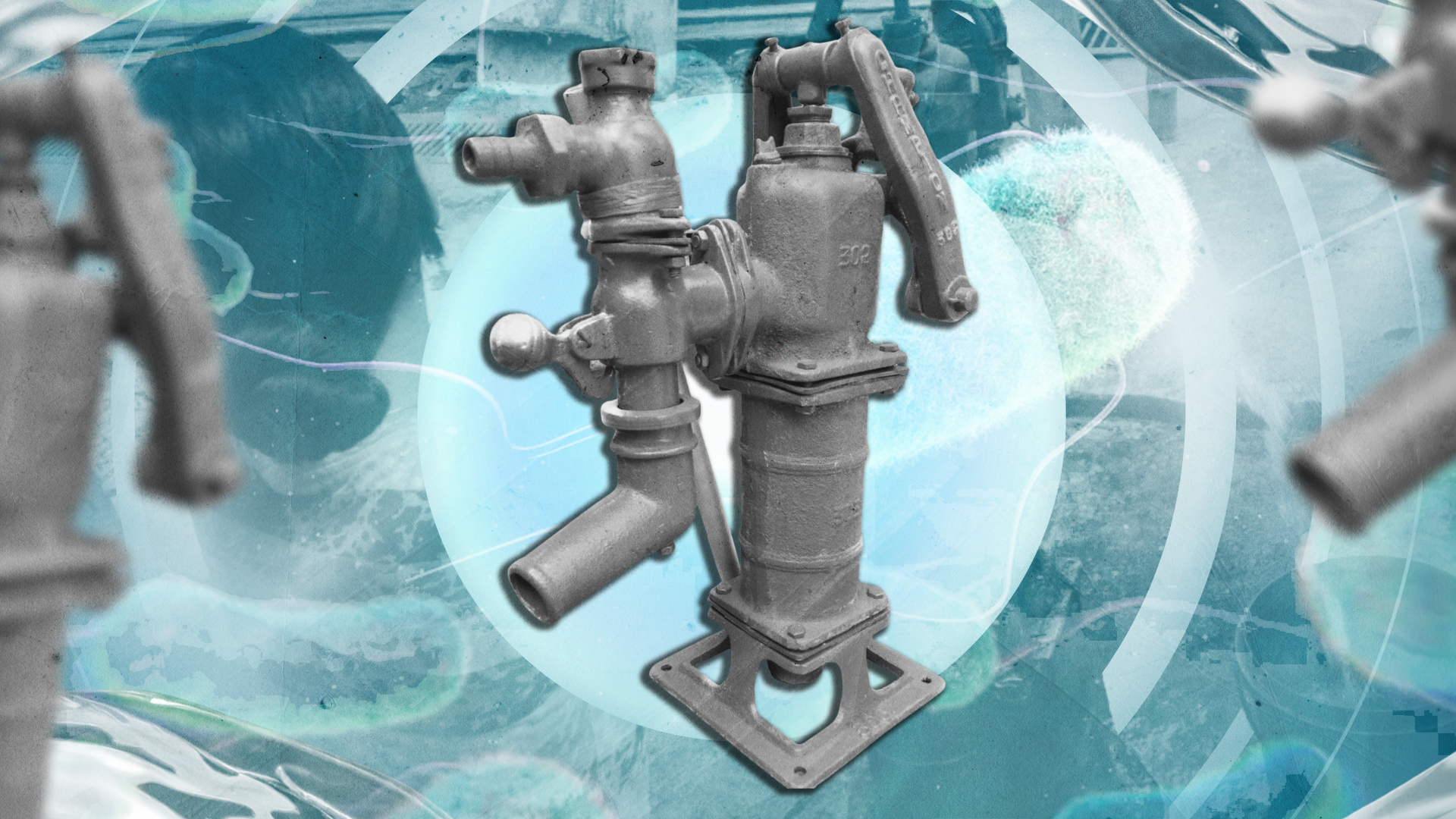
One well. One lifeline. One community. Ten different families.
Artesian wells, locally known as poso, have long been a part of the routines of Filipino households, for drinking, cooking, washing, and bathing.
So when researchers from the University of the Philippines Los Baños collected water from 30 of such wells in three lakeside barangays of Los Baños, they expected the usual signs of contamination common to untreated sources.
What they did not expect was this: a well used by ten families tested positive for multiple drug-resistant bacteria — strains that survive antibiotics of even the stronger spectrum.
And many of the same wells are used daily by the families as an affordable, accessible source of water, especially for those with low-income backgrounds.
Water, marginalized
For years, these barangays have depended on artesian wells not out of preference, but because formal water systems have never fully reached them, whether financially or literally.
Nearly five million Filipinos still rely on unsafe or unstable water sources, while nine million lack proper sanitation. In 2016, acute watery diarrhea ranked among the country’s top killers, claiming more than 139,000 lives, according to a 2021 research highlight by Dr. Andrew Barkwith of the British Geological Survey.
Groundwater supplies over half of the country’s drinking water and most of its piped distribution, the highlight notes.
This would put communities who rely solely on community wells at a higher risk of mass contamination if the lack of action persists.
Water, unearthed
The very wells that sustain daily life also carried invisible dangers, which the study set out to measure.
The study was conducted by Panganiban, Rosario, and Sabino from the University of the Philippines Los Baños (UPLB). It aimed to assess the presence of bacteria and the water quality in Laguna.
It was published recently in the Philippine Journal of Science.
Specifically, they took water samples from three different coastal barangays in the province: Bayog, Malinta, and Mayondon.
A total of thirty samples were collected, comprising ten wells from each barangay.
Among them, seven tested positive for coliforms — bacteria that signal the water may be unsafe. Three samples also contained Escherichia coli, or E. coli, a gut-dwelling bacteria that can cause stomach illness, pointing to possible presence of fecal matter.
Antibiotic tests showed that two of these E. coli isolates were multidrug-resistant (MDR), meaning they could survive at least three types of antibiotics, making them harder to actually treat.
Additionally, they are found to be resistant to common antibiotics like ampicillin and penicillin.
This, in itself, is concerning enough. According to the Centers for Disease Control and Prevention (CDC), this is called antimicrobial resistance, and occurs naturally.
This means bacteria in these wells could cause resistant infections. These infections may be hard or impossible to cure with available antibiotics.
Drug-resistant infections are currently a global threat, CDC says on their site.
But, most concerningly, the study discovers from a pre-testing interview that one of the three samples positive of MDR E. coli is used as a drinking source by several families.
Water, poisoned
Such discoveries are most definitely not a joke. The researchers explicitly warn against the continued consumption from these infected artesian wells.
According to the World Health Organization (WHO), some E. coli strains can cause infections that induce abdominal cramps, diarrhea, fevers, and vomiting, and may prove more severe for children and the elderly.
Because these bacteria are in community water sources, infection risk grows as the population increases.
The study covers only a few barangays in Laguna and references a small number of similar studies in Quezon and Negros Oriental.
This begs the question: how about the rest of communities with a similar situation? What of the more isolated ones?
Water, saved
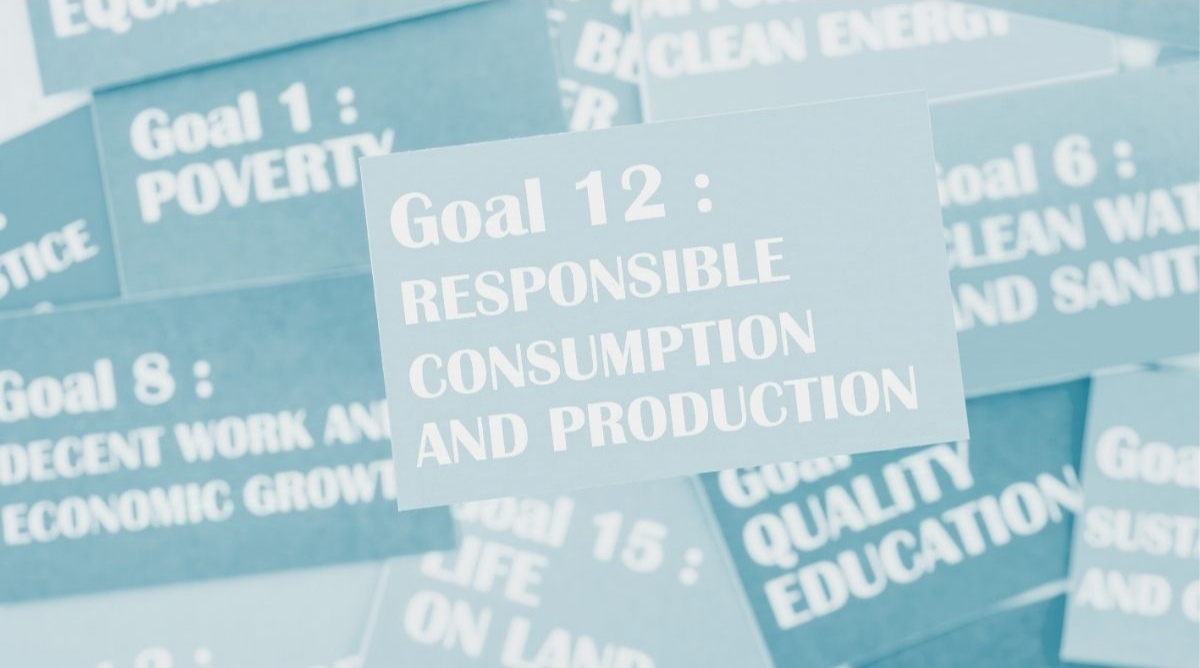
Among the Sustainable Development Goals (SDGs) of the United Nations (UN), everyone must have a source of clean water and proper sanitary regulation. This includes consumption water, marginalized or not.
In accordance with this, the Philippines has a collection of laws and decrees for the use and distribution of water. This includes the Code of Sanitation and the Clean Water Act.
But, unfortunately, there is a gap.
There is no, single, unifying national law that defines and regulates the water sources themselves. The current laws and standards exist only for post-processing of water, which artesian wells don’t have.
Moreover, there is no strict, nationwide system for monitoring or even tracking drinking-water resources. Enforcement may exist, but varies among local government capabilities.
According to the researchers, the study shows only the quality of artesian well water and E. coli resistance, but the small sample size limits the findings. Future studies should test more wells to better understand contamination risks in the area.
So, how could water truly be saved?
The UPLB researchers themselves call for education campaigns against the consumption of unclean water in the paper.
With the lack of standardized and fixed regulation, communities housing these artesian wells must rely on each other to keep these springs of life alive.
Communities should gather to do periodic clean-ups of the surroundings, advocate for a proper treatment plant for their areas, and implement strategies to provide affordable drinking water.
For example, the Planet Water Foundation Philippines delivers clean water to schools and communities using AquaTowers, which filter water and provide hand-washing stations. They also teach kids and families how to stay healthy and sanitarily safe.
During disasters, they send AquaBlock filters, portable systems that give clean water to flood- and typhoon-hit areas. This ensures communities get safe drinking water fast.
Every well carries a lifeline. Protecting it is protecting the community, the families, and the lives that depend on them.