








Now Reading: What does brain-rotting look like, and how do you avoid it?
-
01
What does brain-rotting look like, and how do you avoid it?
What does brain-rotting look like, and how do you avoid it?

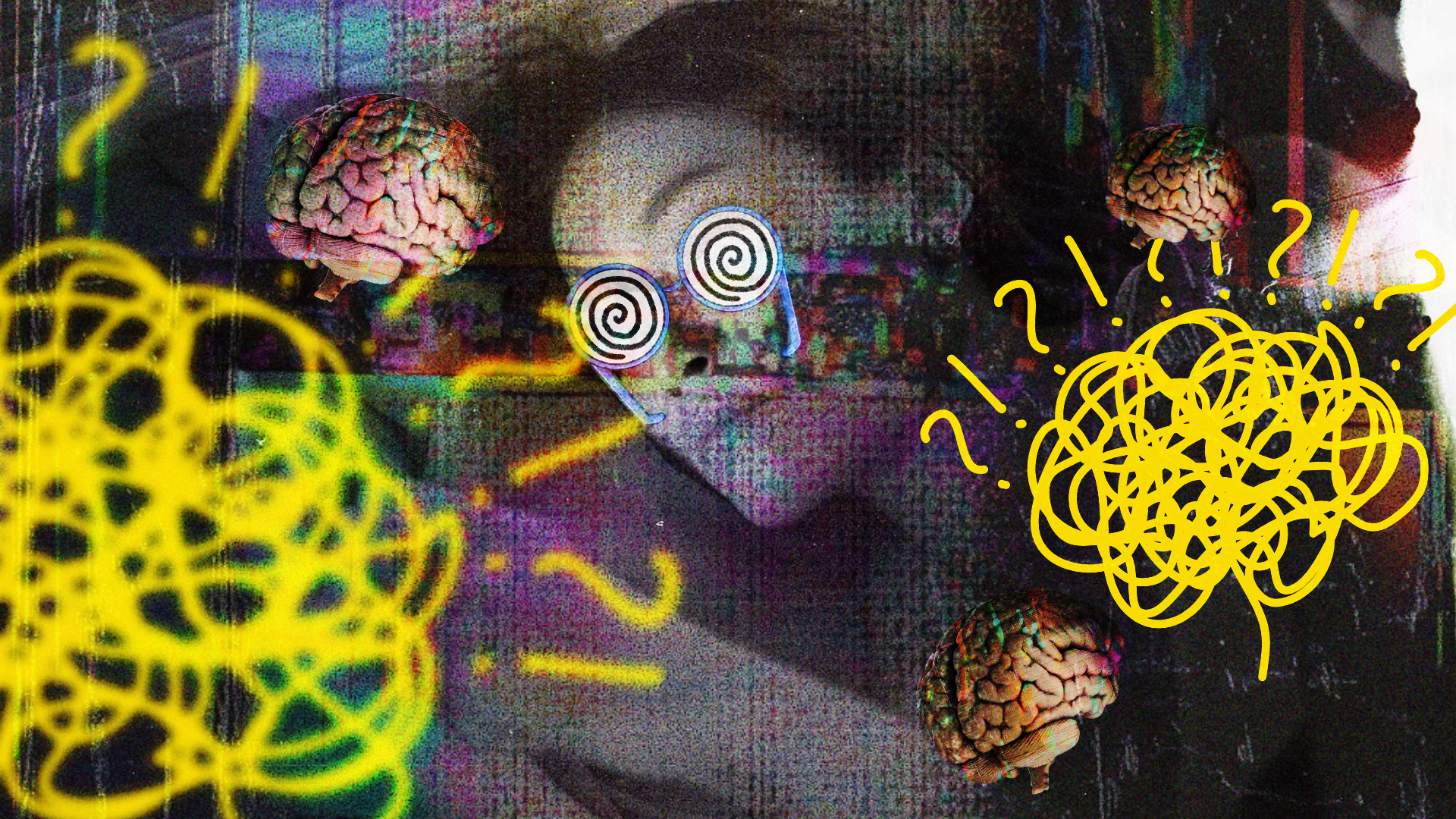
Have you ever said, “I’m just gonna scroll for five minutes,” only to realize you have spent hours scrolling through your endless feed? “Just for a while,” “I’m bored.” Sounds familiar? Unfortunately, everywhere we go or look, we see people glued to their phones. This obsession is evident in transportation, at cafés, in parks, and even while walking…Literally, EVERYWHERE.
It’s the same scenario: people are present physically but mentally lost in constant stimulation. The constant screen immersion isn’t actually a harmless habit; those “short videos” are feeding your brain cheap bursts of dopamine. Over time, the cycle of doomscrolling and absorbing nonsensical content clouds your train of thought, in what many describe as brain-rotting.
Now, let’s talk about the idea behind brainrot… “Brain-rotting” isn’t a medical term, but an informal and internet slang term for the feeling that your attention span, motivation, and mental clarity are slowly melting because of cheap dopamine. This affects your cognitive processes because your brain gets used to fast stimulation and starts craving constant pleasure instead of deeper ones.
From a psychological perspective, brain-rotting can be explained through conditioning: the repeated patterns and reinforcement of the behavior make the brain crave instant gratification. Although it isn’t an official medical diagnosis, the term captures how repeated exposure to low-effort digital rewards can gradually rewire the brain’s attention and motivation.
What are the signs
Common signs include:
- Overconsumption of social media
- Excessive screen time
- Mental fog
- Emotional numbness
- Constant distraction
- Dependence on instant gratification
Ways to counter brain-rotting
It’s easy to fall into the trap of never-ending, mindless scrolling, but it’s easier to get addicted once you get used to it. A simple pastime can turn into a hobby, which can then be adapted into a habit. Although entertaining, it can affect our mental health. Instead of zoning out in front of the screen, engage in more meaningful activities. Here are the hobbies you can try to counter brain-rotting:
Make reading a habit. Reading is one of the simplest yet most powerful ways to counter brain-rotting. Unlike short videos or endless scrolling, reading requires sustained attention as well as mental engagement. So, when you wake up, don’t grab your phone! Grab a book! This helps exercise your brain’s ability to focus, process information efficiently, and think critically. In this case, the habit of reading rebuilds the cognitive muscles that cheap digital rewards tend to weaken.
Making reading a habit doesn’t mean you have to tackle heavy textbooks every day. Start small with articles, short stories, or books that genuinely interest you. If you can’t stop using your phone, try apps like Medium, Substack, etc. Gradually, your brain will learn to enjoy more meaningful mental tasks, and you’ll notice improvements in your mental clarity.
Learn how to cook. Learning to cook is like a full-brain workout. And it’s a practical skill. Why cook? Cooking engages multiple senses. This means that your brain will be required to work and process multiple neurochemicals. Cooking requires planning, problem-solving, and, of course, creativity. Instead of passive scrolling, it rewards effort—strengthening your ability to think sequentially.
Additionally, cooking encourages mindfulness. Either following a recipe or experimenting with ingredients pulls you out of autopilot mode. This activity offers a sense of accomplishment that digital content rarely provides. If you stick to this habit, cooking will retrain your brain to seek fulfillment rather than constant online stimulation.
Learn how to play musical instruments. Music is a language that goes beyond borders and language barriers. Numerous people on social media showcase their musical talent, connecting with others through it. What if you try it yourself? Learning how to play musical instruments will help you find the satisfaction you get from watching.
Studies suggest that playing a musical instrument is associated with long-term cognitive benefits. Playing musical instruments is a full-brain workout that allows people to use every part of their brain, which involves motor, sensory, auditory, visual, and emotional parts of the nervous system. In addition, this activity helps express cultural identity through sound. At the same time, it allows you to connect and understand the cultures of others.
Learn a new language. Trying to understand a language that is foreign to us is a powerful way to counter brain-rotting. Imagine how much brainpower it takes to memorize new vocabulary words and grammatical structure. Research has shown that learning a second language strengthens neural connections in the language network in the left hemisphere of the brain. This activity can also slow brain aging and protect from cognitive decline.
Aside from mental benefits, learning a new language opens doors to a new culture far from prejudice and judgment. On the internet, it is easy to judge someone else’s culture without knowing the full context. Contrary to this, learning a new language allows us to see the world from a different perspective. It allows us to build a human connection with respect.
Learn knitting and needlework. These activities are not as popular as they used to be, but the impact remains. Bringing things into life by creating and adding colors to them, although a simple activity, has an impact. Studies have shown that it is beneficial for mental health and well-being, sense of purpose, and sense of belonging– a perfect way to avoid brain-rotting.
From the process of choosing what to craft, to the choices of colors, even to the actual process, up to the end-product, knitting and needlework make us think and work. It is a long process and they take time to time, effort, and patience to craft. Turning this into a hobby will help you develop a mindful habit.
Be a Plantparent. Plantitos and plantitas have been a trend during the pandemic, but now is another time to try it. Taking care of plants is beneficial, and it will help you counter brain-rotting. Waking up every morning to check how your plants are and showing up every day to water them is soothing and a healthy habit.
A study revealed that active interaction with indoor plants can reduce physiological and psychological stress. Nurturing plants is like nurturing our mental health. Learning how to properly care for plants will remind us that our actions matter. If we choose to nourish it with water, or we allow it to get dried up by succumbing to temporary pleasure.
Brain-rotting may have been popularized because we are already aware of our actions: what we do in our pastime, what we do to kill time. Awareness alone will not stop us from doing what we are doing. Hence, practicing healthier and mindful hobbies is a step toward the betterment of our habits. Instead of doomscrolling, why don’t you try other things?