








Now Reading: DOST to train 10K ‘AI-ready’ Filipinos to fast-track national AI strategy
-
01
DOST to train 10K ‘AI-ready’ Filipinos to fast-track national AI strategy
DOST to train 10K ‘AI-ready’ Filipinos to fast-track national AI strategy

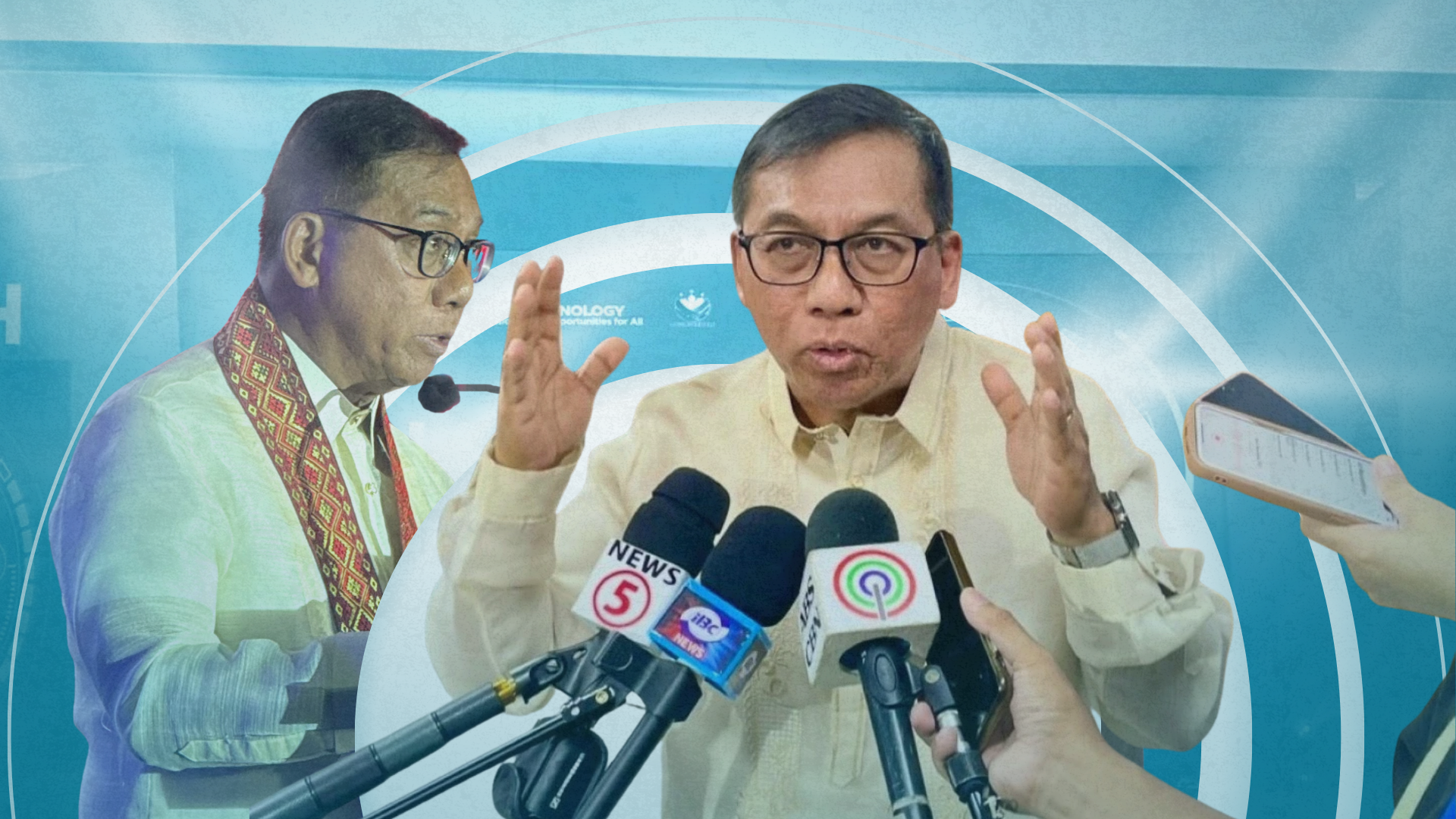
As the deadline approaches for the National AI Strategy (NAIS PH) to establish an artificial intelligence (AI)-powered Philippines by 2028, the Department of Science and Technology (DOST) aims to train at least 10,000 “AI-capable” workers to deploy AI-ready solutions across various sectors.
During the National AI Stakeholders’ Conference on Oct. 13, DOST Secretary Renato Solidum Jr. highlighted the agency’s plan to expand higher education programs to prepare a “future-ready AI workforce.”
“This workforce should be industry-ready to support AI integration in businesses. We aim to increase higher education institution offerings on AI micro-credentials and continuing education programs, utilize Coursera licenses, and open course platforms like SPARTA for scalable, fast-track learning,” Solidum said.
The NAIS PH project, introduced in early May 2025, is designed to steer the government’s agenda for responsible, inclusive, and future-ready AI development by 2028.
Solidum envisions the project steering the country toward stronger infrastructure, a “future-ready” workforce, ethical governance, and enhanced research and innovation, all with AI as a key enabler.
“Through this, AI will become a true public good—improving lives, expanding opportunities, and enabling a sustainable, tech-empowered future for every Filipino,” he said.
According to Solidum, at the core of an AI-powered Philippines, NAIS PH will focus on five key strategies: infrastructure, workforce, innovation, data governance and policy, and deployment.
“Each strategy ensures coherence and accountability where every agency plays a defined and complementary role… Each institution contributes its expertise, ensuring that AI becomes part of our national fabric—ethical, sustainable, and inclusive,” he said.
As early as 2017, the DOST, Department of Trade and Industry (DTI), Department of Education (DepEd), and several partner agencies from both public and private sectors have collaborated to develop a national AI framework.
Solidum said the impact of AI is already evident across major sectors, including transportation, finance, creative industries, energy, environmental monitoring, and national defense.
“We have trained researchers for the DOST Summer School for AI, acquired high-performance computing infrastructure, and supported AI research and development projects through DOST–Philippine Council for Industry, Energy and Emerging Technology Research and Development (PCIEERD),” Solidum said.
The secretary added that the DOST has spent about P2.3 million on 113 AI-related projects.
“We have also established the education center for AI research in DepEd, advancing AI education and awareness at the basic and higher levels,” he added.
The National AI Stakeholders’ Conference was held in Manila from Oct. 13 to 14, bringing together key sectoral leaders to strengthen collaboration in building an “AI ecosystem” under the NAIS PH