






Now Reading: Why resiliency is not enough to stop the spread of leptospirosis in Metro Manila
-
01
Why resiliency is not enough to stop the spread of leptospirosis in Metro Manila
Why resiliency is not enough to stop the spread of leptospirosis in Metro Manila

As of August 28, the Department of Health (DOH) logs 521 leptospirosis cases in Metro Manila hospitals, 158 of which are in San Lazaro Hospital. For a country that’s annually experiencing typhoons, what’s causing leptospirosis to spread across Metro Manila at a rapid rate?
In the eyes of the hospitals
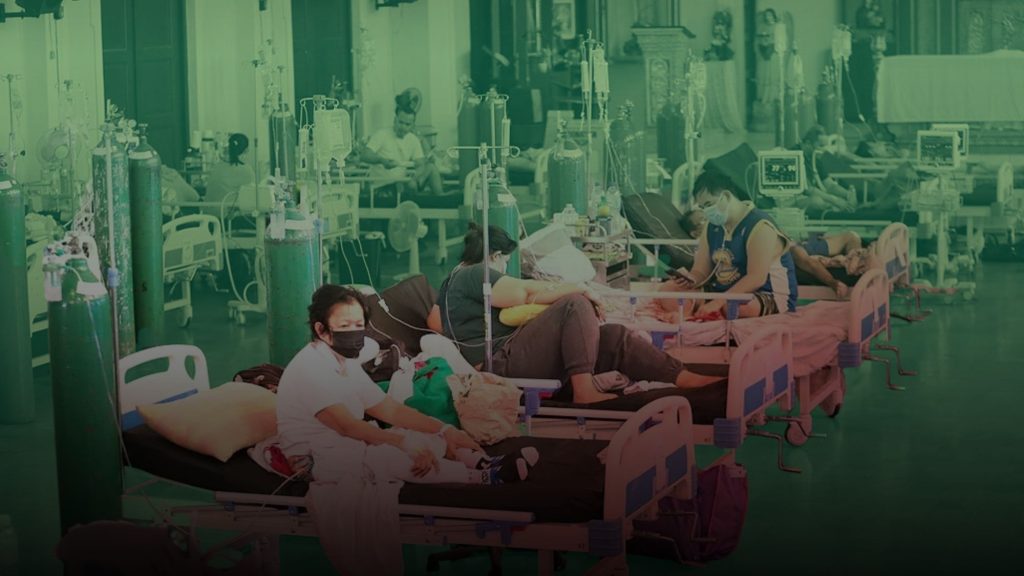
The spike of leptospirosis cases has also caused a significant problem in Metro Manila hospitals—number one on the list is San Lazaro Hospital, which has 157 leptospirosis cases and 13 deaths as of August 28. To accommodate the influx of patients, the hospital has increased its manpower and bed capacity with support from the Department of Health, Jose Fabella Memorial Hospital, Dr. Jose N. Rodriguez Memorial Hospital, and the Philippine Red Cross. Additional cot beds were also provided by the Philippine Blood Center.
Originally, the bed capacity for the San Lazaro Hospital was 500 beds. Despite this limitation, the hospital must manage the leptospirosis surge while continuing to treat patients with other, unrelated medical conditions. This caused its capacity to be tested, thus needing the help from other organizations and hospitals.
To date, 33 leptospirosis fast lanes are implemented in hospitals located in:
- NCR
- Ilocos Region
- Cagayan Valley
- Central Luzon, and
- Cordillera Administrative Region
This shows that despite SLH having one of the most disturbing records of leptospirosis cases in the country, it is also being acknowledged that the spike in leptospirosis cases is a problem for most people, especially in Luzon.
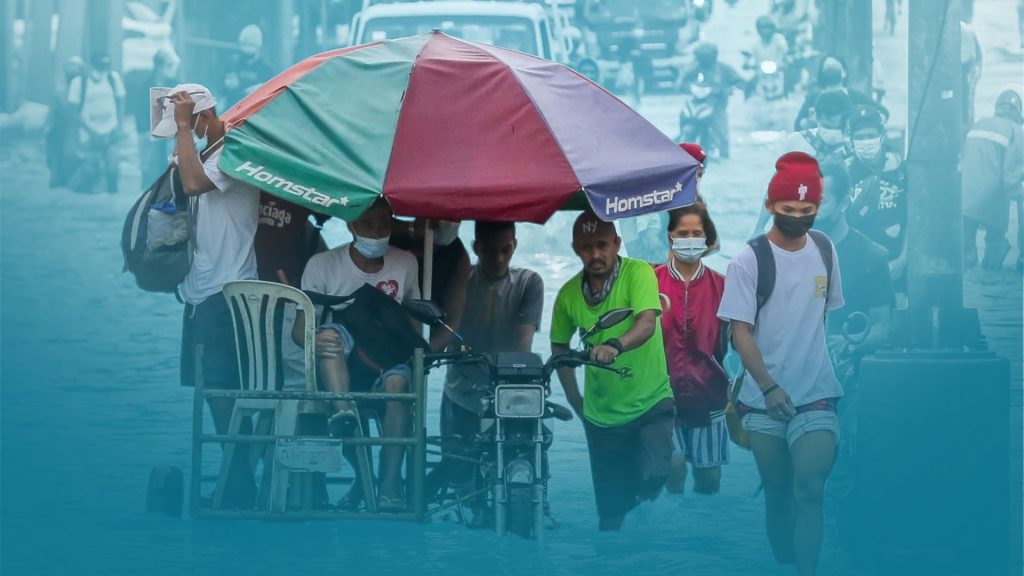
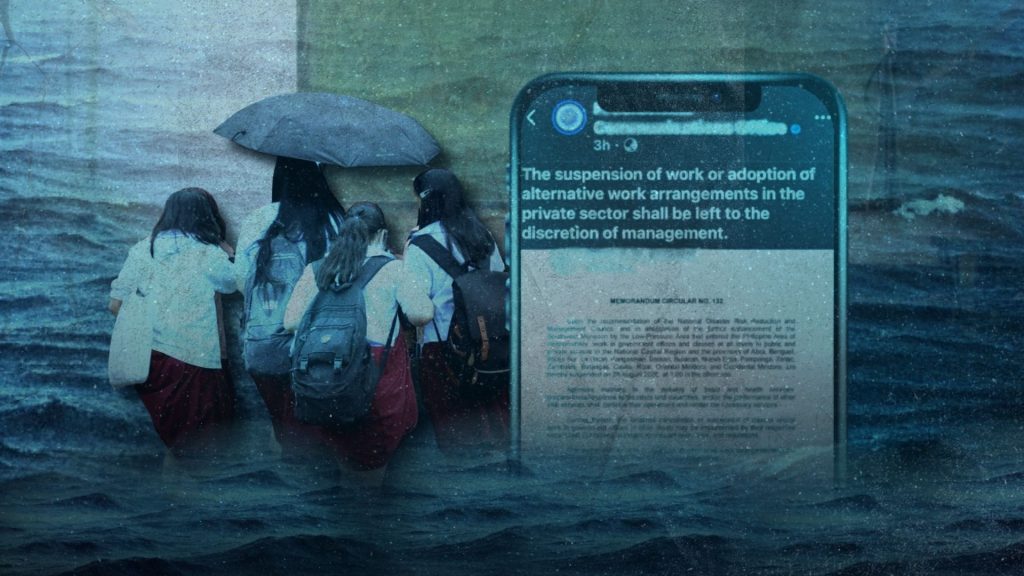
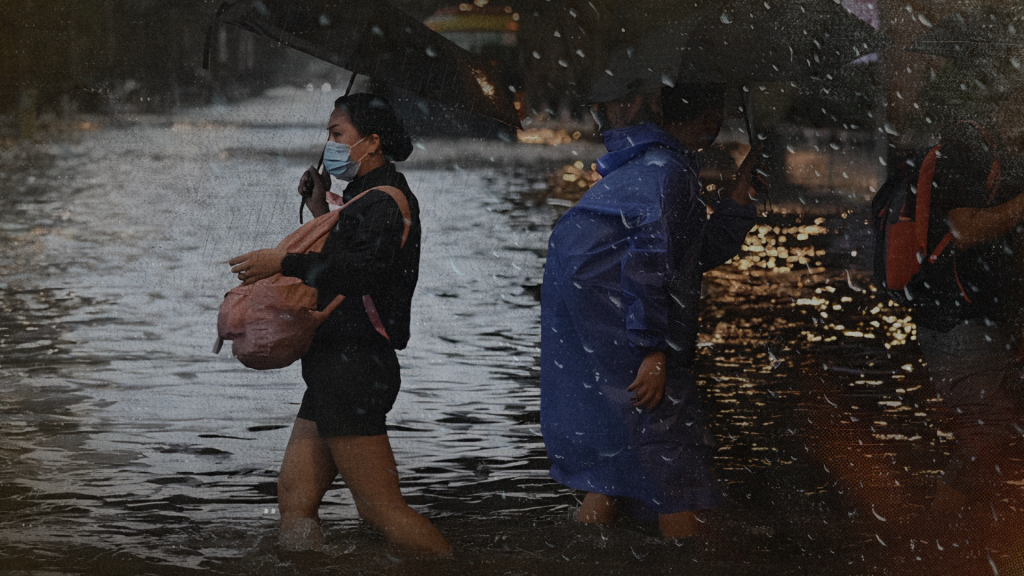
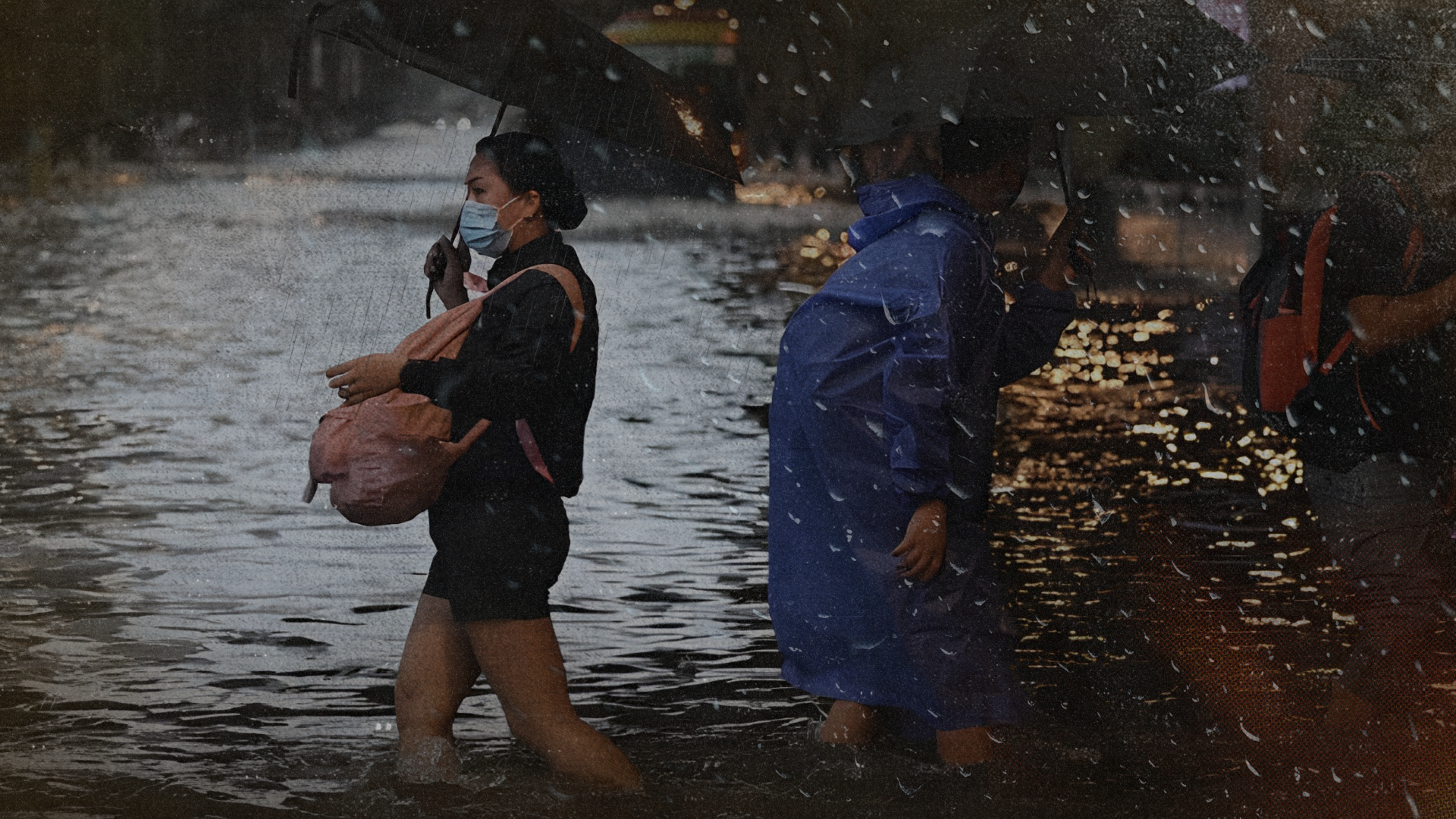
It is worth taking into account that government agencies continue to release advisories about leptospirosis whenever it is the season for typhoons. But this is not exactly practical for people who don’t prioritize health, choosing to try to earn money despite the terrible weather conditions. For people in low-income settlements, they choose to wade through flood waters to evacuate, retrieve belongings, and commute to work. For these people, advisories telling them to practice proper hygiene is not exactly their priority, especially when water supplies are cut off and their belongings are flooded by knee-deep waters.
Knowing this, the system should be prepared to take cases for leptospirosis whenever typhoons are continuously entering our country. But if that were the case, San Lazaro Hospital wouldn’t be exceeding their maximum capacity. Which might make people conclude that the country may be equipped but not equipped enough to survive the spike of cases. This makes leptospirosis still a disease not only feared by people but also by hospitals.
The bacteria behind the cases
Leptospirosis is a disease caused by the bacterium Leptospira. This bacterium can be found in contaminated water or soil, which affects many kinds of animals and people. In people, leptospirosis can cause a widespread set of symptoms, including:
- Fever
- Body or muscle aches
- Headache
- Vomiting or nausea
- Yellowed skin and eyes (jaundice)
- Diarrhea
- Chills
- Stomach pain
- Fatigue
- Red eyes
- Rash
Many of these symptoms can be mistaken for other diseases, and some don’t even have symptoms.
Leptospirosis can be acquired in various ways. Knowing that the bacterium that causes this disease is carried on by the urine of animals, exposure to contaminated water is the most common way of getting this disease.
Less common ways are
- direct contact with bodily fluids of infected animals
- eating food or drinking water contaminated by animal urine.
For a country accustomed to seasonal typhoons, it is unacceptable that our country remains unprepared for preventable outbreaks like leptospirosis, which now is affecting 5,486 people from January to August this year.
In comparison, from January to July last year, there were already 5,318 cases. Where in the same timeline this year, cases only reached 3,440. Despite this, the quick spike in cases by 62.71% within only a month of observation are worrisome. The cases may be fewer than last year’s records, but until people remain sick and infected by leptospirosis, the record isn’t something to be proud about.
The urgency for help that SLH has been facing is a byproduct of their lack of facilities, with some of the patients needing to wait outside of the emergency room amidst their worsening sickness. A problem that could have been prevented if healthcare were provided with enough resources, nurses, and facilities to tend the sick.
With rainfalls reaching more than the supposed monthly average for August this year, the poor healthcare system the country is facing isn’t contributing much to the effects floods are bringing to the country. Rather, it is only worsening it.
The truth that hurts
For a country known to face typhoons annually, it is quite surprising how unprepared the system is for the rise of diseases like this. After all, these deaths could’ve been prevented if our healthcare system relied on providing enough resources, not relying on pure resiliency.