










Now Reading: UN warns planet hit critical heat threshold in 2025
-
01
UN warns planet hit critical heat threshold in 2025

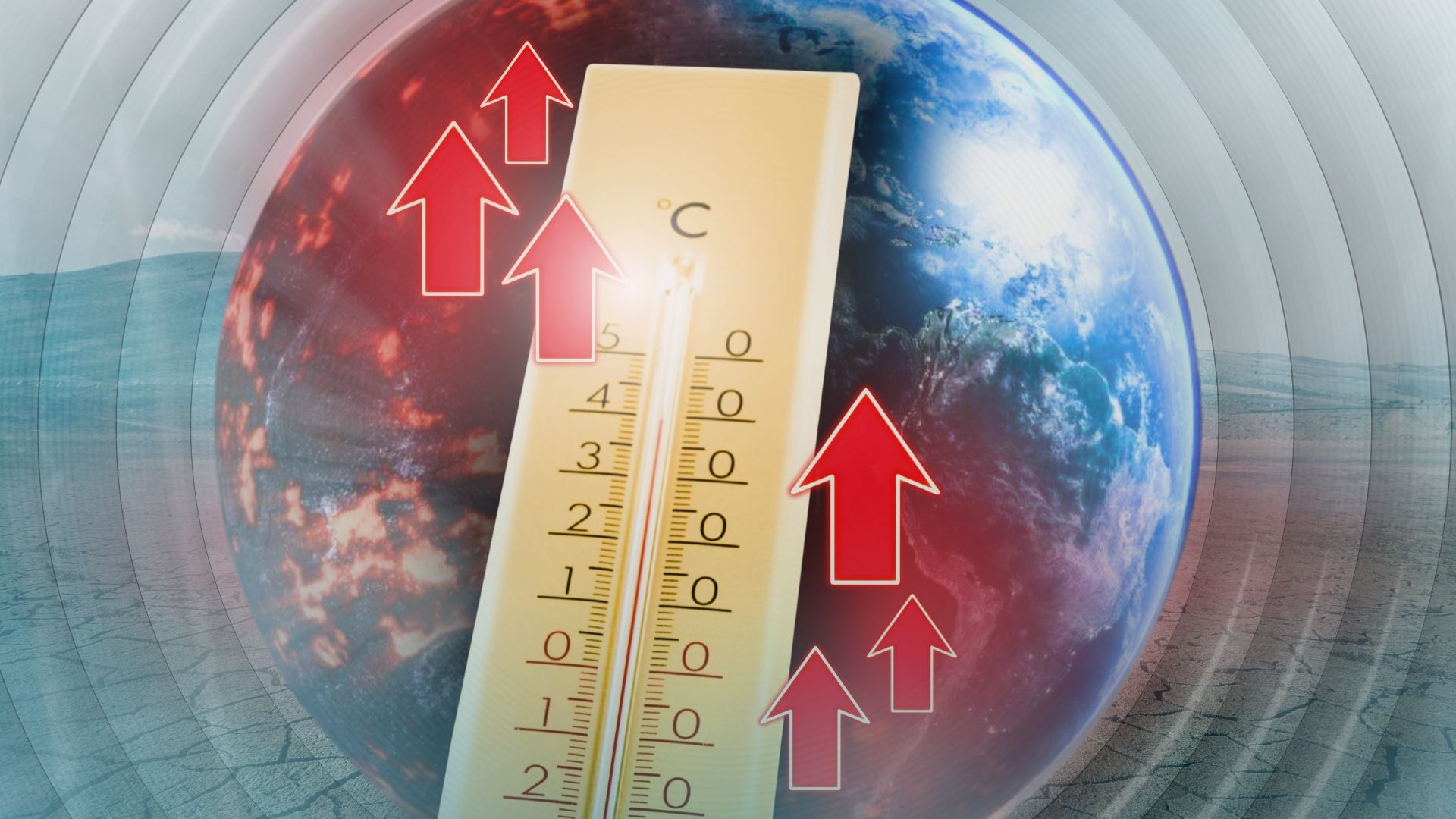
Earth captured unprecedented amounts of heat in 2025, and the United Nations (UN) warned that the effects of this warming could persist for thousands of years.
The World Meteorological Organization (WMO), the UN’s leading weather and climate agency, confirmed in its annual State of the Global Climate report that the 11 hottest years on record all occurred between 2015 and 2025.
Last year’s average temperature sat about 1.43°C above the 1850‑1900 baseline, which places 2025 as either the second or third hottest year ever documented.
UN Secretary‑General António Guterres said the climate is now in a state of emergency and that Earth is being pushed beyond its limits. As a response to this report, he calls for countries to move away from fossil fuels to renewable energy to “deliver climate security, energy security and national security”.
“Humanity has just endured the 11 hottest years on record. When history repeats itself 11 times, it is no longer a coincidence. It is a call to act,” he added.
Heat Imbalance
For the first time, the WMO report includes the planet’s energy imbalance, which shows the rate at which energy enters and leaves the Earth system.
Under a stable climate, incoming energy from the Sun roughly equals outgoing energy, the Geneva-based agency said. However, heat-trapping greenhouse gases such as carbon dioxide, methane, and nitrous oxide have reached their highest levels in at least 800,000 years, which upsets this equilibrium.
“The Earth’s energy imbalance has increased since its observational record began in 1960, particularly in the past 20 years. It reached a new high in 2025,” the WMO said.
Ocean Warming and Ice Loss
More than 91 percent of the excess heat is now stored in the oceans, which reached record heat levels in 2025, according to WMO chief Celeste Saulo.
The rate of ocean warming more than doubled between 2005 and 2025 compared to 1960-2005, intensifying tropical storms and worsening sea-ice loss in polar regions.
The Antarctic and Greenland ice sheets lost significant mass, while the Arctic sea-ice extent hit its lowest or second-lowest level in the satellite era. Global mean sea levels in 2025 were about 11 centimeters higher than in 1993, with projections showing continued rise for centuries. The warming ocean also accelerates acidification, which threatens marine life irreversibly over centennial to millennial time scales.
Saulo warned, “Human activities are increasingly disrupting the natural equilibrium and we will live with these consequences for hundreds and thousands of years.”
Extreme Weather
Although, La Nina cooled surface temperatures in 2025, forecasts indicate a potential El Nino developing by late 2026, which could elevate global temperatures again in 2027.
“If we transition to El Niño, we will see an increase in global temperature again, and potentially to record levels in 2027,” said WMO scientist John Kennedy.
The year 2024 remains the warmest on record at about 1.55 °C above pre‑industrial levels, partly due to a strong El Niño event.
Deputy WMO chief Ko Barrett described the outlook as a “dire picture” and urged that the evidence should prompt urgent action, saying there is no denying the indicators are not moving in a hopeful direction.
Urgent Call to Action
Guterres linked climate stress to global security, saying, “In this age of war, climate stress is also exposing another truth: our addiction to fossil fuels is destabilising both the climate and global security.”
The 2025 report confirmed that extreme heatwaves, floods, wildfires, droughts, and cyclones caused widespread deaths, displacement, and economic losses affecting millions.
“Today’s report should come with a warning label: climate chaos is accelerating and delay is deadly,” he said.
With every key climate gauge now “flashing red,” global leaders face a choice to either act decisively or watch the crisis worsen generation after generation.
Humanity now stands at crossroads, and the choices made today will determine whether Earth survives or slides into a new era of climate apocalypse.