


Now Reading: Not even the “good” ones
-
01
Not even the “good” ones

What makes a politician “good?”
Is it their record, their actions, their principles, or their rhetoric? Or is it simply the fact that they are not the politicians we hate?
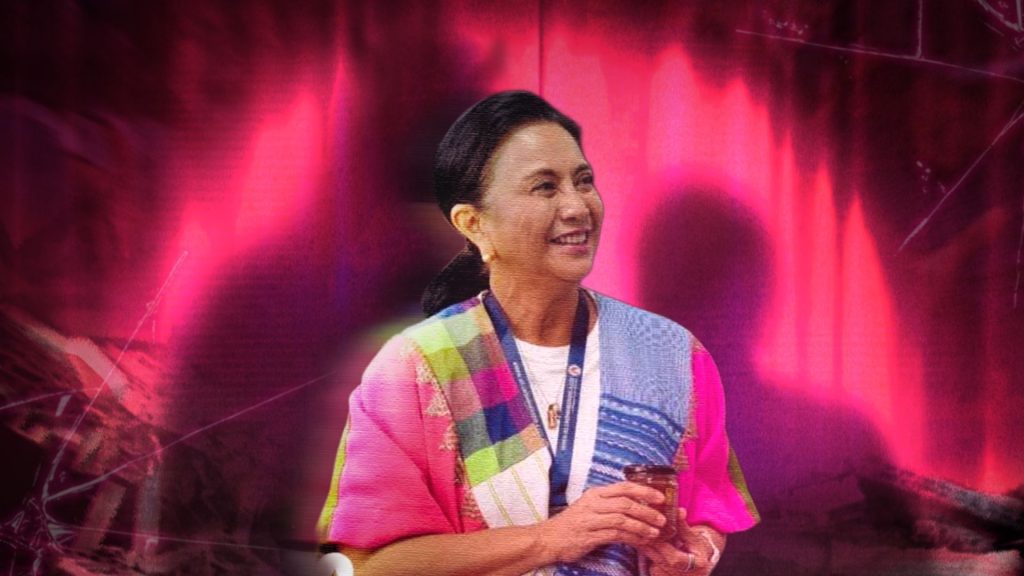
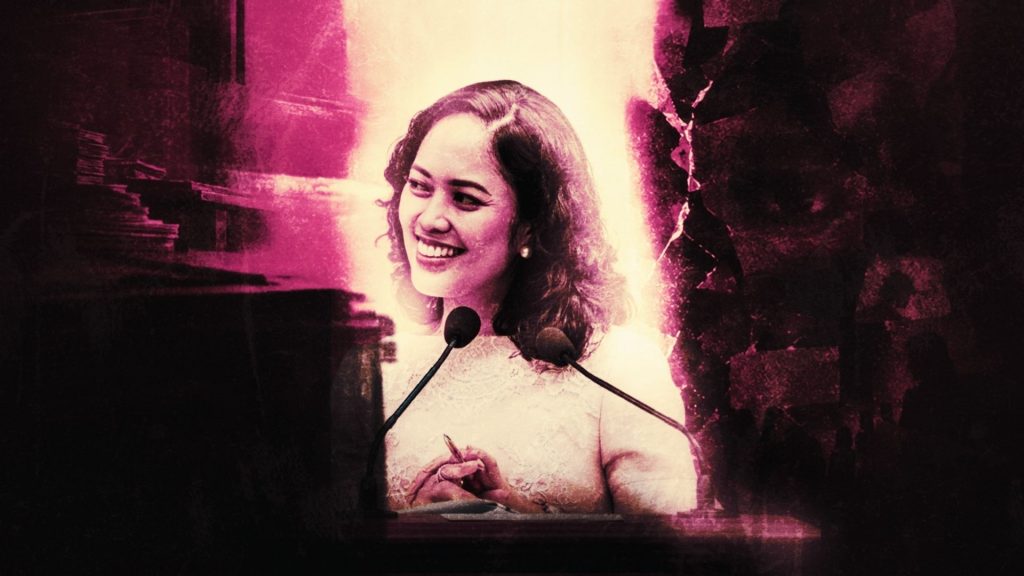
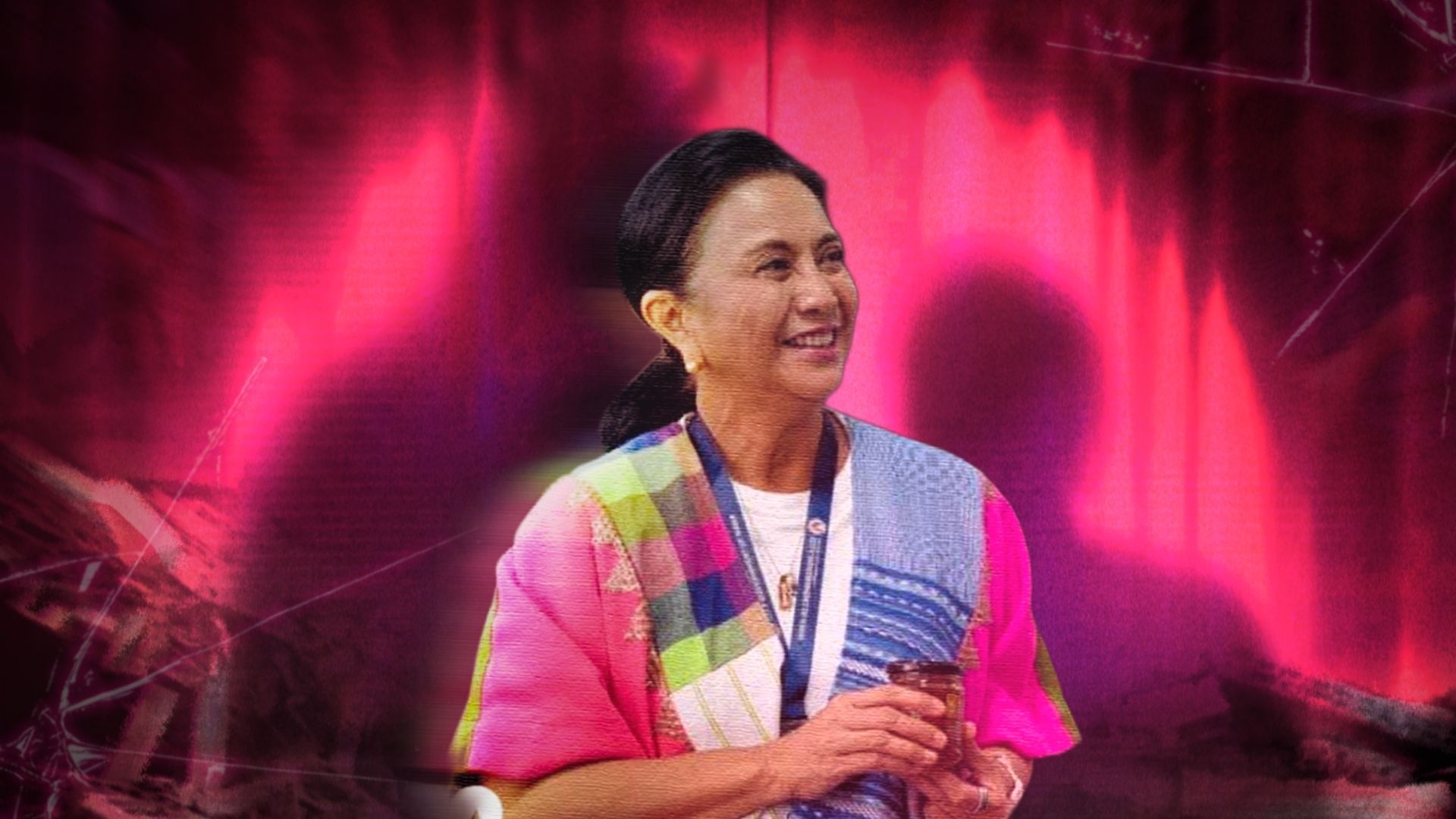
For years, Leni Robredo has occupied a particular space in Philippine politics. To her supporters, she represents hope–much like her political color pink–good governance, human rights, and a strong alternative to the traditional political establishment. For so long, she has been the “better” one, the “not-like-the-other-politician” type. So when she is seen engaging with someone representing a foreign power whose actions and principles appear to contradict the values she has long been associated with, scrutinizing her becomes a hard pill to swallow.
It is easy to demand accountability from the politicians we already distrust. The harder task is demanding the same from those we believe in.
Naga City Mayor and former Vice President Leni Robredo recently received contrasting reactions from the public after welcoming Israeli Ambassador Dana Kursh at Naga City Hall on October 5, 2026. According to the Naga City Tourism Facebook Page, the ambassador visited other spots in Naga, including the Jesse Robredo Museum and the Huna Huna Art Space.
Had it been an ambassador from another country, the visit would not have been equally problematic. However, despite being framed as a courtesy call or diplomatic tour, the foreign representative involved cannot be separated from Israel’s ongoing war in Gaza whose peak has been going on for more or less three years. Even if Kursh is not directly involved in the said conflict, it is not easy to separate her representation of Israel from the at least 74,000 Palestinians who have tragically lost their lives, especially as Israeli forces continue to bomb Gaza despite talks of a “ceasefire.”
As much as we would like to brush it off as nothing more than a harmless visit that could potentially benefit the city, Israel’s recent engagements with the Philippines warrant a closer look. For instance, Israel has granted visa-free travel to Filipinos and stay for up to 90 days, subject to Israel’s entry requirements. While this may be framed as an effort to strengthen diplomatic ties, such engagements can also function as soft power, allowing foreign states to cultivate relationships, shape public perceptions, and present a more favorable image of themselves to the people they seek to engage.
More than that, we cannot deny how similar it is to recent instances of politicians establishing relationships with other foreign powers.
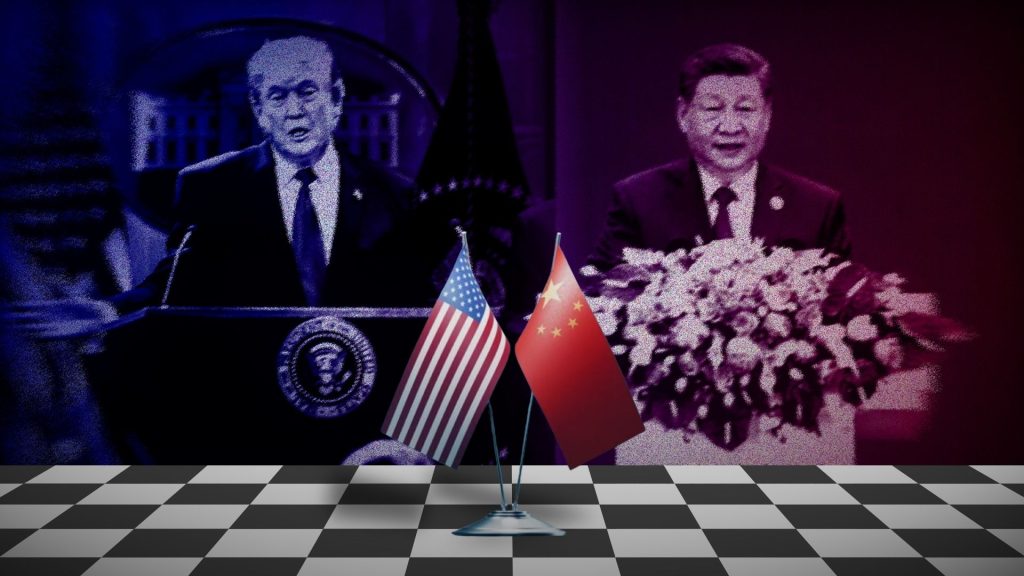
It is reminiscent of President Ferdinand Marcos Jr.’s embrace of Pax Silica, a U.S-led initiative that he presented during his 2026 State of the Nation Address (SONA) as a means of strengthening the Philippines’ economic policy and fostering technological advancement. Or perhaps, the Dutertes’ ties with China would ring a louder bell. Former President Rodrigo’s administration faced criticism over its dealings with China, particularly in relation to the West Philippine Sea. More recently, the Duterte family has again faced scrutiny over alleged financial links to China. The National Security Council is investigating reported financial inflows from Chinese-owned state firms directed towards companies linked to the Duterte family.
This is not to imply that what Robredo has done is as grave as what the other political families have been involved in. The greater picture is the enduring possibility that politicians–even the ones we thought would be on our side and would advocate for the common good–can turn their backs on us and succumb to foreign power.
We have carried a certain degree of confidence that “favored” politicians would never tread the same path as those that are despised, but perhaps they operate more similarly than we would like to believe.
This is more the reason why scrutiny is invited regardless of the person behind the action. And precisely why political fanaticism becomes dangerous–especially when loyalty to a politician becomes stronger than the commitment to the principles we claim to stand for.
On the other side of the scrutiny thrown towards Robredo are statements fighting tooth and nail to defend her. Some pointed out that welcoming an Israeli ambassador does not equate to supporting what news outlets—including Al Jazeera—have described as genocide in Palestine. It is said that she was simply showing up, but how is this different from the instances when other politicians showed up for foreign ambassadors and received scrutiny? If we are willing to question the intentions behind their presence, why should Robredo’s be treated as beyond reproach simply because she is someone we believed in?
If we only know how to defend our “principles” against politicians whom we despise and refuse to call out those we favor, then it is not our principles that we are defending, it is people–politicians at that.
Others, meanwhile, cautioned against turning politics into a purity test–expecting politicians to be saints, to be inherently good, and do no evil. Indeed, such expectation is illogical, we cannot expect those public servants to do anything but good; however, this does not exempt Robredo from the criticisms she has been receiving. The atrocities committed in Gaza simply cannot be brushed aside, and as a public servant, welcoming a representative of a state associated with those actions inevitably invites questions about what that representation means–especially for a human rights lawyer like her and a politician who once centered her advocacy and campaign on radical love and hope.
We do not owe politicians our loyalty; we owe our principles consistency.
If we stand against the genocide in Gaza, no politician should ever erase or change that for us. We can support someone and once believe that they are a good fit for the country and still question them. That is not being two-faced, nor is it switching sides, because there should be no sides to choose from in the first place. It is not about being loyal to any politician; it is about being loyal to our principles and to the Filipino people.
Being critical of the politicians we despise is easy, and it should be just as easy when it is someone we once loved, someone we voted for, or someone we once believed could do no wrong. No one should be exempt from criticism or held above accountability. Not Marcos. Not Duterte. Not Robredo. Not anyone.
Our admiration should never become a shield against accountability, because we are citizens of a democratic country, not their defenders.