









Now Reading: Device dependency linked to declining teen reading skills—PISA study shows
-
01
Device dependency linked to declining teen reading skills—PISA study shows
Device dependency linked to declining teen reading skills—PISA study shows

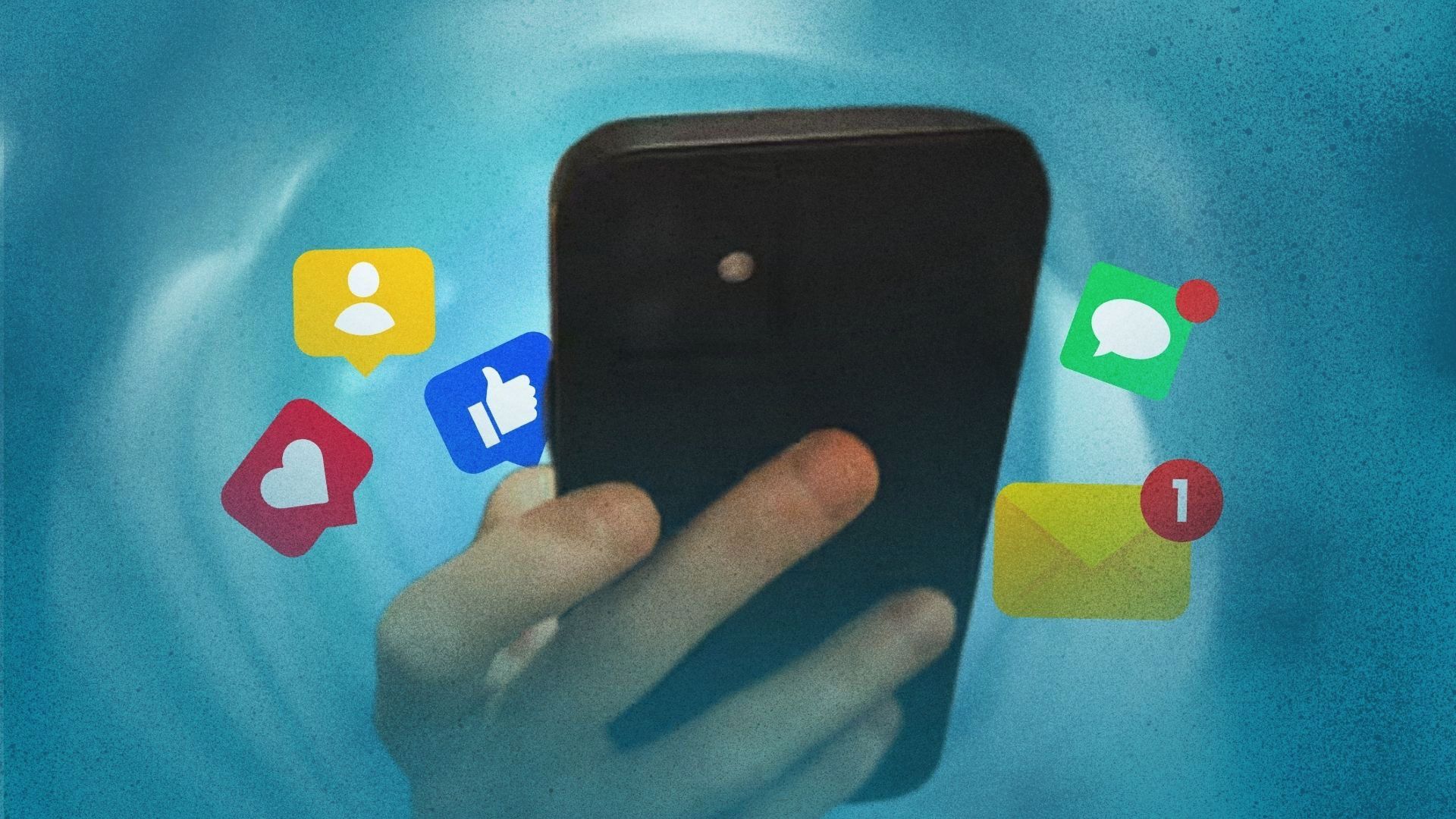
A swipe replaces a page. Somewhere between the endless doomscroll and the unfinished chapter, the way teenagers read and understand the word is changing.
For the teenagers of the current era, information has never been easier to reach. With a smartphone always in hand, a headline, video, message or answer is only seconds away. However, a difficult text cannot always be understood at a glance; sometimes understanding takes several paragraphs to unfold. Yet as young people spend more time surrounded by the digital media, global assessments suggest that their ability to engage deeply with written text is weakening.
The latest results of the Programme for International Student Assessment (PISA) show that reading performance among 15-year-olds has fallen to its lowest level since comparable assessments began in 2000. In PISA 2025, more than 760,000 students across 91 countries and economies were assessed and showed that the global benchmark for literacy recorded a sharp drop.
According to PISA, one in five students is now a lone performer in reading, science, and mathematics; from being one in six in 2022.
Cognitive cost of doomscrolling
Reading is a cognitive process that asks the brain to remember information, connect ideas, interpret concepts, make inferences, and evaluate what is being said. The longer and more complicated the text, the more attention and focus these processes demand. Brain researchers have long known that reading is not something humans are born doing naturally, but a skill built through constant practice.
In contrast, digital screens demand quick scanning. A non-stop stream of notifications, short videos or reels, and social media feeds teaches the brain to skim quickly—to glance at the headline, spot a bold word down the screen, then move on to the next post.
When students try to move from quick scanning to complex textbooks, their brains struggle to slow down and focus. Organisation for Economic and Co-operation and Development (OECD) chief Mathias Cormann noted that they have been seeing more hasty reading as students rush through a text and give quick wrong answers.
This establishes a clear contradiction that teenagers read more every day through texts and social media posts than the past generations did, yet their ability to understand longer stories or analyze arguments has grown weaker.
Declining subject performance
The drop in reading skills is part of a broader decline in student learning. Solving math word problems and understanding scientific experiments both require students to read carefully; and weaker reading skills have dragged down performance across all subjects. This downward trend has pulled scores across reading, math, and science to their lowest levels seen this century.
The research points to a clear pattern that when teenagers spend more hours using screens for fun each day, the worse their reading performance becomes.
While using technology for classwork offers benefits up to a certain point, spending too many hours on recreation quickly hurts academic work.
The Philippine Page
While global reading performance has declined, the Philippines recorded improvements in reading, mathematics, and science in PISA 2025 compared with both 2022 and 2018.
The proportion of Filipino students reaching at least Level 2 proficiency in reading also increased from 24% in 2022 to 31% in 2025. But despite these gains, the country remains below the OECD average with only 31% of Filipino students reaching the baseline proficiency level in reading compared with the average of 69%.
Digital-device use remains relevant to the discussion. Filipino students reported spending an average of 1.7 hours per school day using digital devices for learning at school, and another 1.3 hours for leisure.
The figures do not establish that screen time causes declining literacy, but they highlight the need to examine how digital habits influence students’ attention and learning.
AI mixed in learning
The rise of AI chatbots for daily homework adds another layer to this problem as nearly half of the students surveyed said they use AI tools regularly for schoolwork.
When students delegate reading and summarizing to an automated tool, they skip the actual mental effort and gain that builds strong reading skills. Without that practice, reading changes from an active learning exercise into a simple routine of reading a summary made by the bots.
Reclaiming literacy in the digital age will not come from discarding technology, but from restoring the discipline of sustained attention. Every time a young reader chooses to slow down, push past the temptation of an easy summary, and sit with a complex idea, they are rebuilding the brain’s capacity for deep thought.
The main challenge is to teach young people how to use technology without surrendering their ability to think independently. After all, access to information means nothing if students lose the patience to question it, the attention to understand it, and the judgment of what it truly means.
The future of learning depends on whether humanity allows algorithms to shorten people’s perspective, or whether they teach the next generation to lock in, turn the page, and let the story unfold. Because when every answer is a click away, the true measure of learning lies not in how quickly information is found, but in how deeply it is understood.
The pages are still waiting to be turned, the stories are still waiting to unfold—but it is through the patience and focus to read, the discipline to question, and the willingness to think beyond the screen that young minds can transform information into true understanding.