









Now Reading: When developments sacrifice the environment, everyone loses
-
01
When developments sacrifice the environment, everyone loses
When developments sacrifice the environment, everyone loses

Joseph Juanillas
As the country continues to be hit by heavy rainfalls and typhoons that cause flooding, the public are desperately trying to find solutions that can reduce its effect on their daily lives. While the government showcases innovative and modern solutions to flooding, they don’t seem keen on protecting one of the most abundant and efficient ways of dealing with floods — our forests.
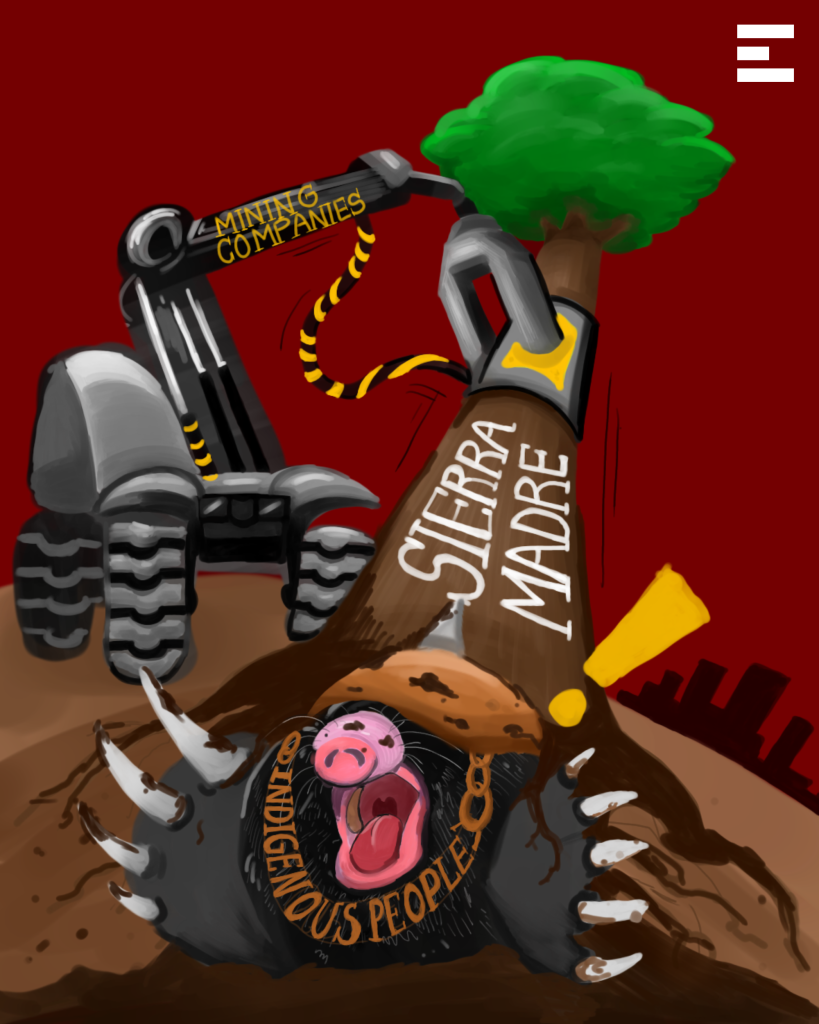
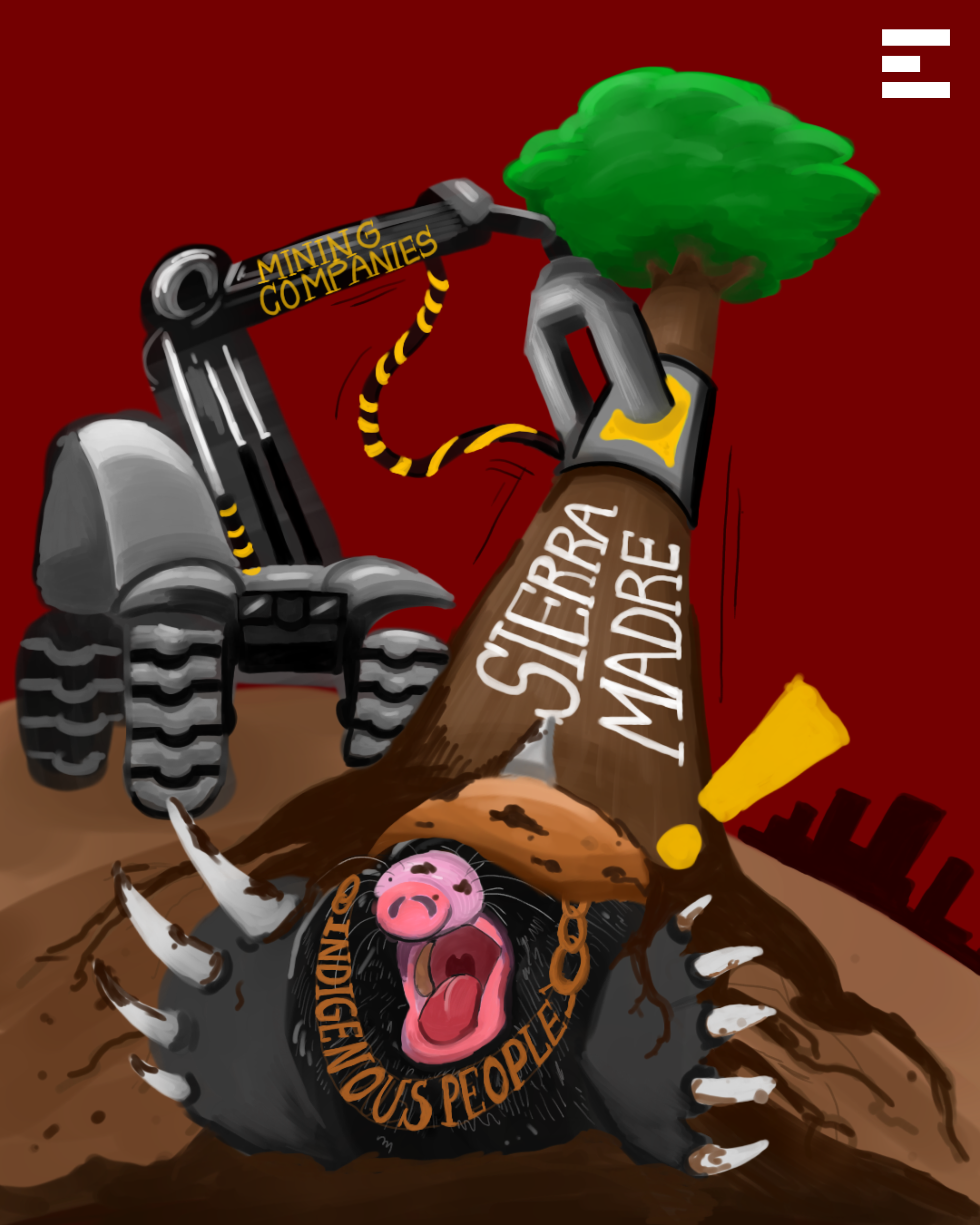
Recently surfaced satellite images of the Sierra Madre mountain range show wide areas of land previously covered by trees now deforested and degraded into brown patches of land, making way for large-scale nickel mining operations by Dinapigue Mining Corporation, a subsidiary of Nickel Asia Corporation. These mining projects, along with many others spread across the country, show the government’s true priority in economic development.
These alterations to the landscape in order to make way for machinery and processing facilities, can leech the surrounding land and waterways, with chances of poisoning the area, making it halt regrowth of the environment and render it inhabitable for the indigenous communities that live near the mining sites, forcing them to migrate.
Mountain ranges are important for the prevention of massive floodings, as the roots of the trees absorb the water brought in by the heavy rains and also provide shielding from the strong winds that can be brought by typhoons and other natural phenomena.
According to environmental experts, instead of just constructing monotone buildings in cities, trees among other plants can be introduced and act as natural water retention facilities, turning boring landscapes into thriving complexes, which can also reduce temperatures and give appeal to tourists.
“In other progressive cities around the world, their nature-based flood mitigation, and some modern management, is based on a network of parks and open spaces. Unfortunately, in our towns and cities, we have not built any major park, much less a park system in the last 50, 60, 70 years,” urban planner Paolo Alcazaren claimed.
Alongside protecting the forest covers we still have, restoring connections of waterways can also allow rainwater to flow freely into natural water retention areas like floodplains and farmlands, preventing large floods in metropolitan areas, like how the Netherlands reconnected its major rivers that reduced risk of dike spillovers.
While there are laws and agreements that require mining projects to rehabilitate destructed forests after use, these approaches currently in place are not enough, giving little to no assurance that the fields will return to how they were before.
Inhabitants of various barangays in Surigao Del Sur and Dinagat Islands know this too well, as they suffer from the lack of action from the government turning the places they call home into a wasteland. Mining companies that operated there failed to complete required trust fund deposits for physical and social rehabilitation, what’s left for the residents are toxic waters and dust that have put their health and livelihoods at risk.
These problems are what makes reforms in environmental protection a much bigger point of concern in the past couple of years.
Meanwhile, this September 29, the House Committee on Government Enterprises and Privatization officially approved a consolidated substitute bill to charter the Sierra Madre Mountain Range Authority (SMMRA), a proposed bill aiming to allow the forest range to heal, alongside making other projects in the area subject to provide funding for the maintenance of the Sierra Madre.
This should make the SMMRA bill, alongside other bills that consider our connection with the environment, become urgent and prioritized, as it should help revitalize our efforts into balancing our connections with nature, and reconsider what we really need to be focusing on as a developing country.
However, these movements and laws will simply be useless if the agencies like the Department of Environment and Natural Resources (DENR) and the Mines and Geosciences Bureau (MGB) that should be the ones that are cut out to protect the environment and resources of the country are the ones that seem to not care.
Looking into how these agencies currently work and function, like how they conduct assessments and provide permits, and making sure that they maintain their integrity can be a step into the right direction in finding solutions to combat climate setbacks and develop strategies that will let the highest and newest of technology coincide with nature.
Advancements and developments are always a must for a country to grow. But if the country’s own natural resources, which are already dwindling in numbers, are neglected and not taken into consideration, it will only result in more setbacks and continue to drown in its own flood of blunders.