
Now Reading: Meet Eddie Dela Peña, one or the VFX artists behind Olivia Rodrigo’s ‘The Cure’
-
01
Meet Eddie Dela Peña, one or the VFX artists behind Olivia Rodrigo’s ‘The Cure’
Meet Eddie Dela Peña, one or the VFX artists behind Olivia Rodrigo’s ‘The Cure’

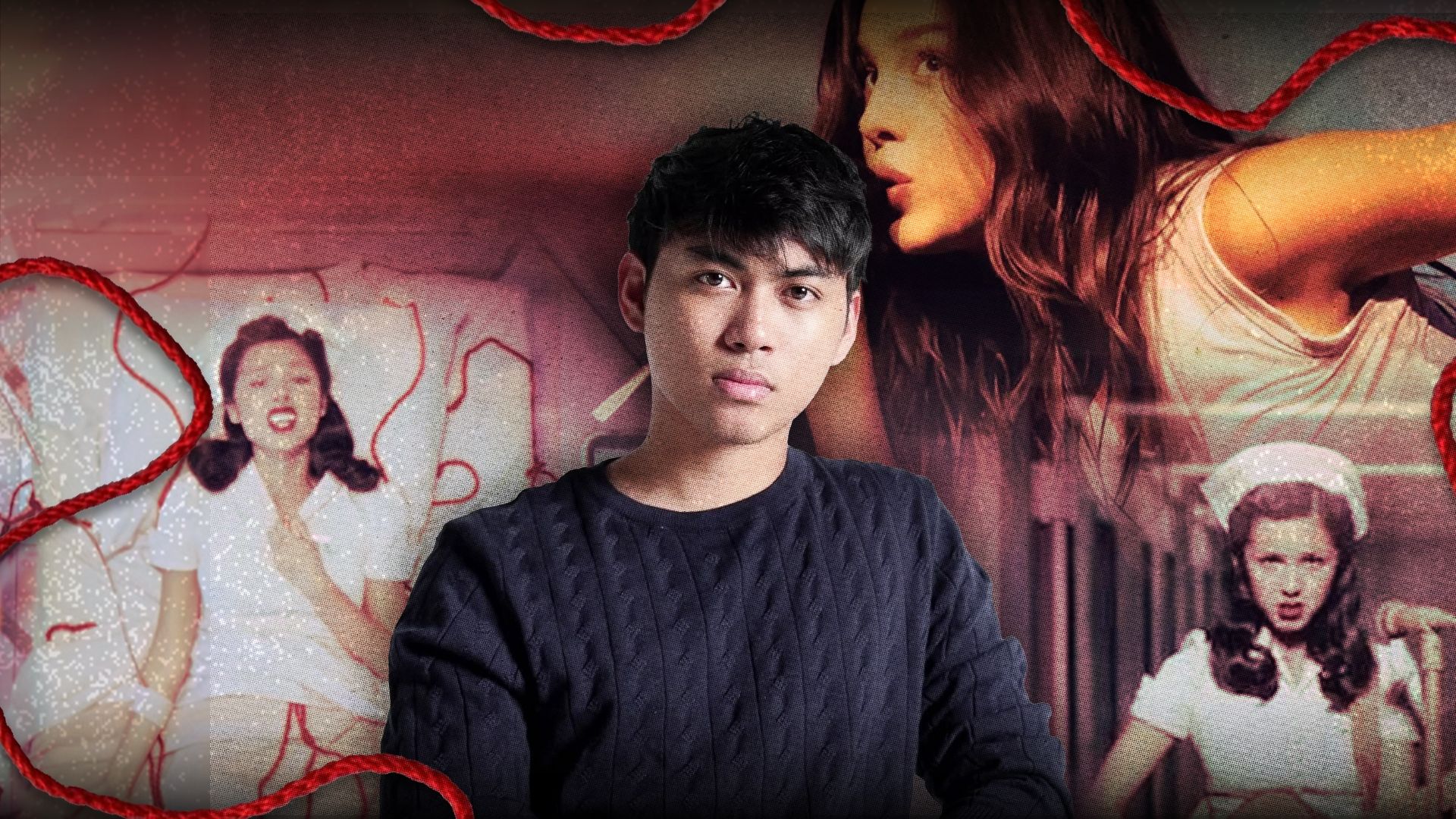
Imagination fills in the gaps that reality leaves behind. Through visual effects, artists create worlds that feel fuller and deeper than what reality alone can offer.
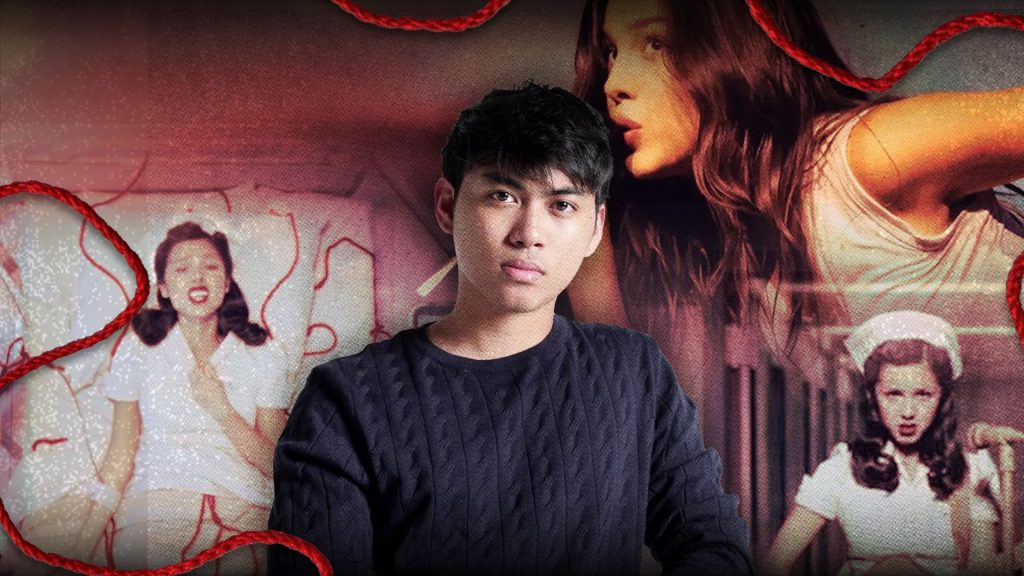
Among those artists is Eddie Dela Peña, a filmmaker and Visual Effects (VFX) artist from Sagay, Negros Occidental. His recent creative contribution to the signature pop-rock glitter of you seem pretty sad for a girl in love (2026) for The Cure. Bringing graphics and expressive visuals on the road less traveled, towards the sunny streets of Los Angeles in Olivia Rodrigo’s latest viral hit.
While the project placed his name alongside one of today’s biggest pop stars, it was less a sudden breakthrough, but rather the latest frame in a journey that had already been years in the making.
The opening shot
Long before his work appeared in the credits of a global production, Eddie was already teaching himself how to create worlds from whatever he had on hand. He did not begin with expensive equipment, a proper setup, or even the certainty that visual effects could become a viable path.
What he had instead was curiosity, persistence, and an imagination that needed an outlet.
Growing up in a broken family, Eddie found comfort in VFX and filmmaking. The ability to create anything and express it on screen, he shared, transformed his childhood into something “fantastic.” He and his friends would go out and shoot videos, driven by little more than excitement and the joy of making something together.
Even then, he knew the craft gave him a way to shape his own reality, one frame at a time.
His early passion was fueled by improvisation. Without a proper camera or a personal computer, Eddie learned to work within limits. He shot and edited directly on his phone, then spent hours in local computer shops watching tutorials and building his skills piece by piece.
The setup was far from ideal, but it became the foundation of his practice.
In those borrowed spaces and makeshift conditions, he learned not only the technical side of VFX, but also the discipline of staying with the craft even when the tools were scarce.
A craft pursued without certainty
There was no grand blueprint behind it.
Eddie did not enter visual effects with a plan for turning it into a career, nor with any guarantee of stability in a field often regarded as uncertain, especially in the Philippines.
What sustained him was not certainty, but a deep attachment to the work itself. With no well-worn path into the Philippine VFX industry, Eddie had to carve one of his own.
Nonetheless, what is art not but the reflection of the creator’s soul? And Eddie found that his art was intrinsically tied to his humanity—chasing moments, opportunities, and dreams for a job that had no time out.
In an exclusive interview with Explained PH, Eddie talked about how he doesn’t pigeonhole a single moment as career-defining, citing, “I treat everything as an ‘I made it,’ moment.”
The young VFX artist has taken his quiet obsession from hobby to the global stage. The pivot from college towards committing full-time to pursue VFX was the tradeoff for a path full of ups and downs.
The click
Commitment was key, and this started to unlock opportunities for him that would kickstart his career.
He started out from creating visuals and compositing for local films at Margaha Film Festival as a young creative; his attention to detail and mastery was enough for him to drown out the noise of the tales old prejudice the Filipino space had around the arts—digital, more so. “I’ve built my life around the realization that I can create the impossible through storytelling and visual effects,” he shared, talking about the seed that planted his love for the craft.
To sweeten the deal, Eddie officially joined Wonderlast Films back in 2023, a studio he had admired and loved growing up, and the team behind Maki’s official live performance video for Kolorcoaster.
Currently, he served as one of the VFX artists for their upcoming film, Andoy, set to premiere this November.
It was a testament to his mastery and innovative approach to his craft that studios started to pick up on his talent. Even Olivia Rodrigo’s team clocked it, for his contribution in her recent music video, The Cure (2026).
Eddie carried a philosophy built on art as a reflection of the human soul—a translation brought to the tangible reality of cinema.
He built worlds, not just films. In this harsh, cold, reality where sharpness cuts through, art pulls out the emotions we cannot speak. Laughters of joy, cries of empathy, or simply marvel at how a film moves you. Dreams aren’t built on moments but the accumulation of a thousand experiences. Every step forward, takes this young Filipino creative one step higher.
So, what does it take to follow your dream?
For Eddie, whose dream was sidelined because digital art was not considered a “real path,” it truthfully cost nothing much—the price being your present.
“When you work with genuine passion you are building your own reality and not just ‘chasing’ a career,” he shared. Indeed, the magic is in the work. The only hurdle standing between a dream and its existence is action. He urges us to create more than we consume.
As creatives, it is enough a trap to think too far ahead enough in the future to not tell ourselves a self-fulfilling prophecy of doubt, failure, and fear.
“…a lot of my biggest dreams came true the moment I stopped forcing them,” he continued, on what his journey looked like zoomed out past the noise and self-expectations. In this regard, opportunities present itself naturally—created by your talent, dedication, and a dash of luck.
Take your art between your hands and let it anchor you to reality. Genuine passion builds tenacity, grit, and discipline; so trust this, and don’t worry about the noise.
With that, Eddie leaves Filipino creatives the most important lesson of all. “Your craft is enough, what are you waiting for? Create.”