
Now Reading: Hunger for Passion Must Not Starve the Pockets
-
01
Hunger for Passion Must Not Starve the Pockets

Natalie Andrea Ayo
At the end of the day, humans are the ones generating tasks and Artificial Intelligence (AI) simply responds to whatever command.
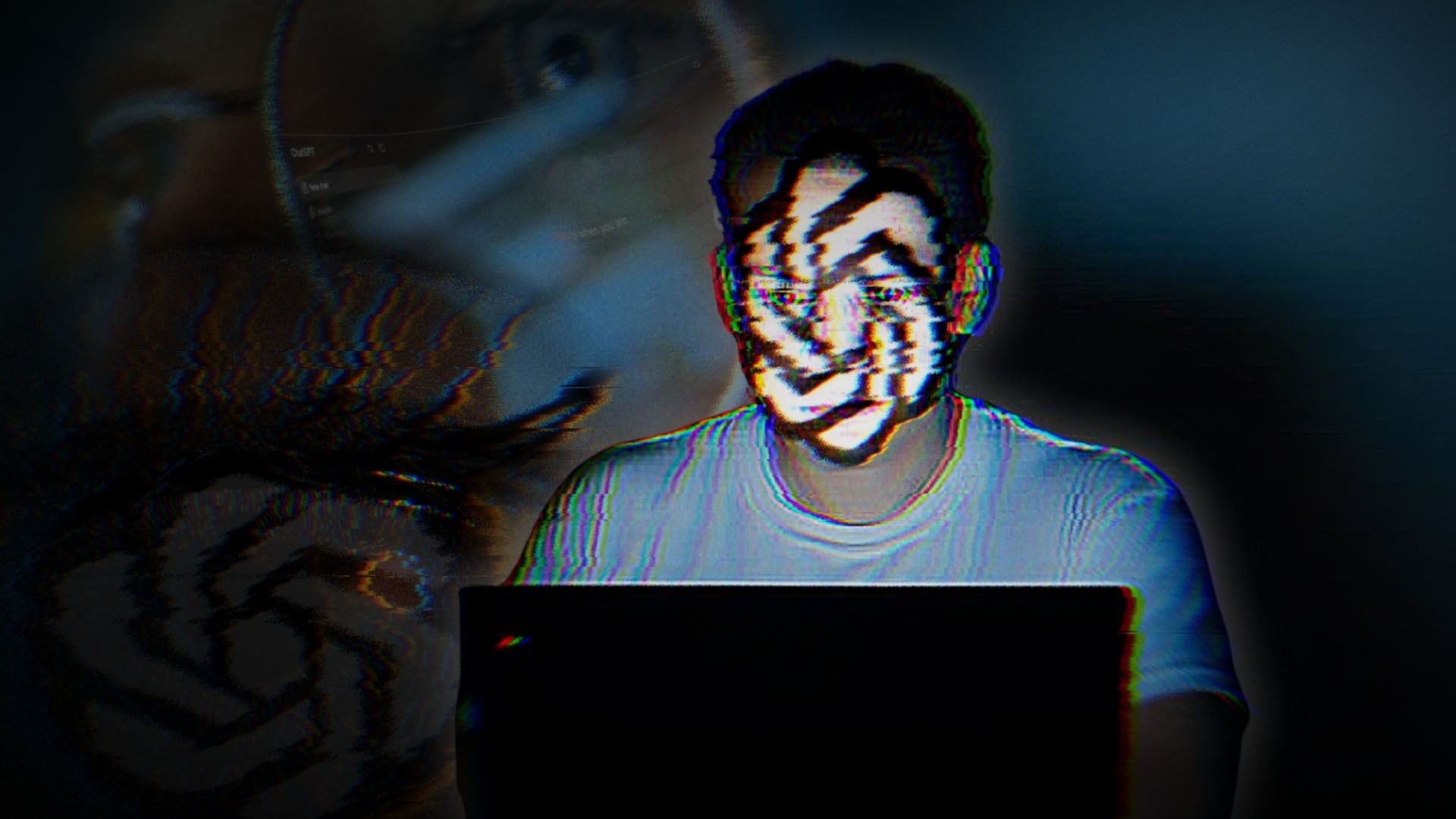
AI has been seen across various industries as it has established itself to be a “well faceted” digital worker. The growing shift in technology has people gravitating towards AI in performing tasks easily done by humans—this slowly showing its effects on the workforce. What seems to be an area dominantly affected by this shift are the talents behind the arts and creative field as many artists, both freelance and company-based, have been ignored and put out of business by the conscious choice of choosing AI over human-made outputs.
The problem is AI is the culprit behind these rising issues, however, the industries that condone the replacement of talents and human outputs further exacerbate the problem. In a recent post, social media personality and voice actor, Inka Magnaye, expressed concern over AI and its impacts on artists and creatives like her as her mother, a fellow voice artist, lost a job to AI.
Lamenting on the future of the industry as people and companies begin to prefer investing money on machine-produced outputs, what would become if the arts forces us to face the sad reality and the question of “Mapapakain ba ako ng passion na ito?”
Various AI companies have vouched on AI’s efficiency in the workflow. Dario Amodei, the CEO of Claude AI, predicted that as time passes AI could wipe out half of the market of white-collared jobs and boost unemployment to 20 percent. What seems as a promising feat for technology is actually a grave threat to millions of workers across the globe.
Concerningly, research by Mckinsey shows that 92 percent of companies plan to further increase AI investments over the next three years. The United Nations Trade and Development says that in 2023 and 2024, massive layoffs were seen in the entertainment and creatives industry, majority of which explicitly pointed to AI.
Undoubtedly, AI may sometimes work faster as these intelligent machines lack the concept of work hours and operate instantly. However, in the speed of production, the machine lacks the soul woven into an output stemming from hours of creative process and the passion of labor invested upon a human.
As of now the country still continues to tread deep waters with the use and limits of AI and technology related to this. It seems as if companies are ready to face this new wave of workforce headfirst with not a care in the world of what the effects would be on the people who used to do the jobs.
Creativity is not something to simply be copied or done by lifeless machines who understand nothing about the beauty of the process, art, and passion that gives outputs life. The question of whether or not people would survive by the choice of their passion and the continuous choice of the people to support and protect the industry.
The Artificial Intelligence Regulation Act (AIRA) is still pending in the Senate. The absence of a law establishing the ethical and proper use and regulation of AI in fields most vulnerable to its presence: arts, workforce, academe, etc. create further room for these solely AI-dependent industries to propagate. Until the government set firm regulations on AI and there are no proper distinctions of what roles it can and cannot take in the workplace, the people themselves must make the cognizant approach to support and fund the arts. Having to decide whether one chooses a full pocket or a full heart must never become the case. AI lacks the hunger and passion to create and work on things they love.