










Now Reading: How did social media kill romance?
-
01
How did social media kill romance?

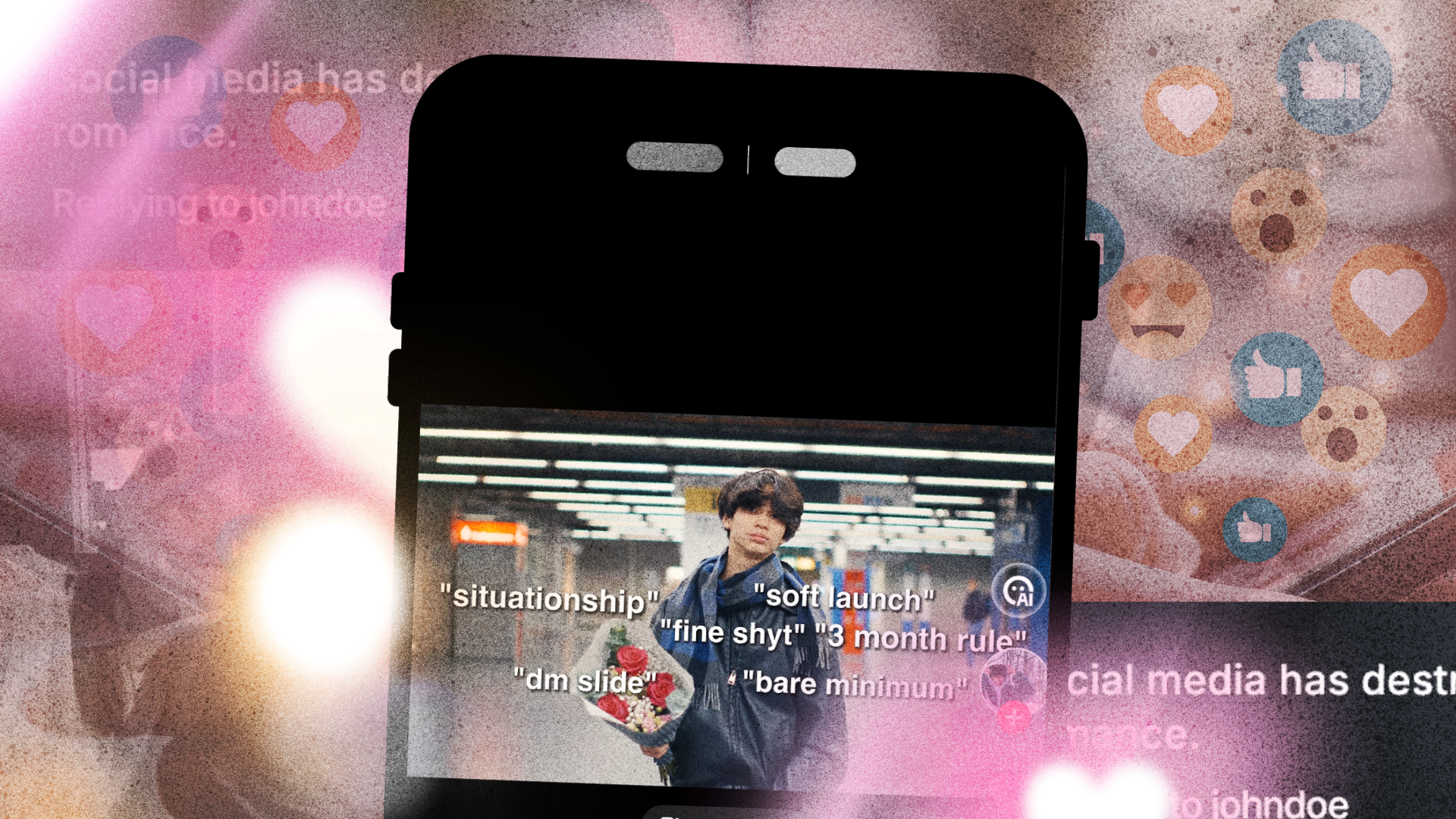
What is love? Such a simple, yet complicated question that has been asked by people over and over again. Could it be the way your heart starts to beat frantically or the butterflies in your stomach? Well, maybe like what Anna and Hans said, “Love is an open door.”
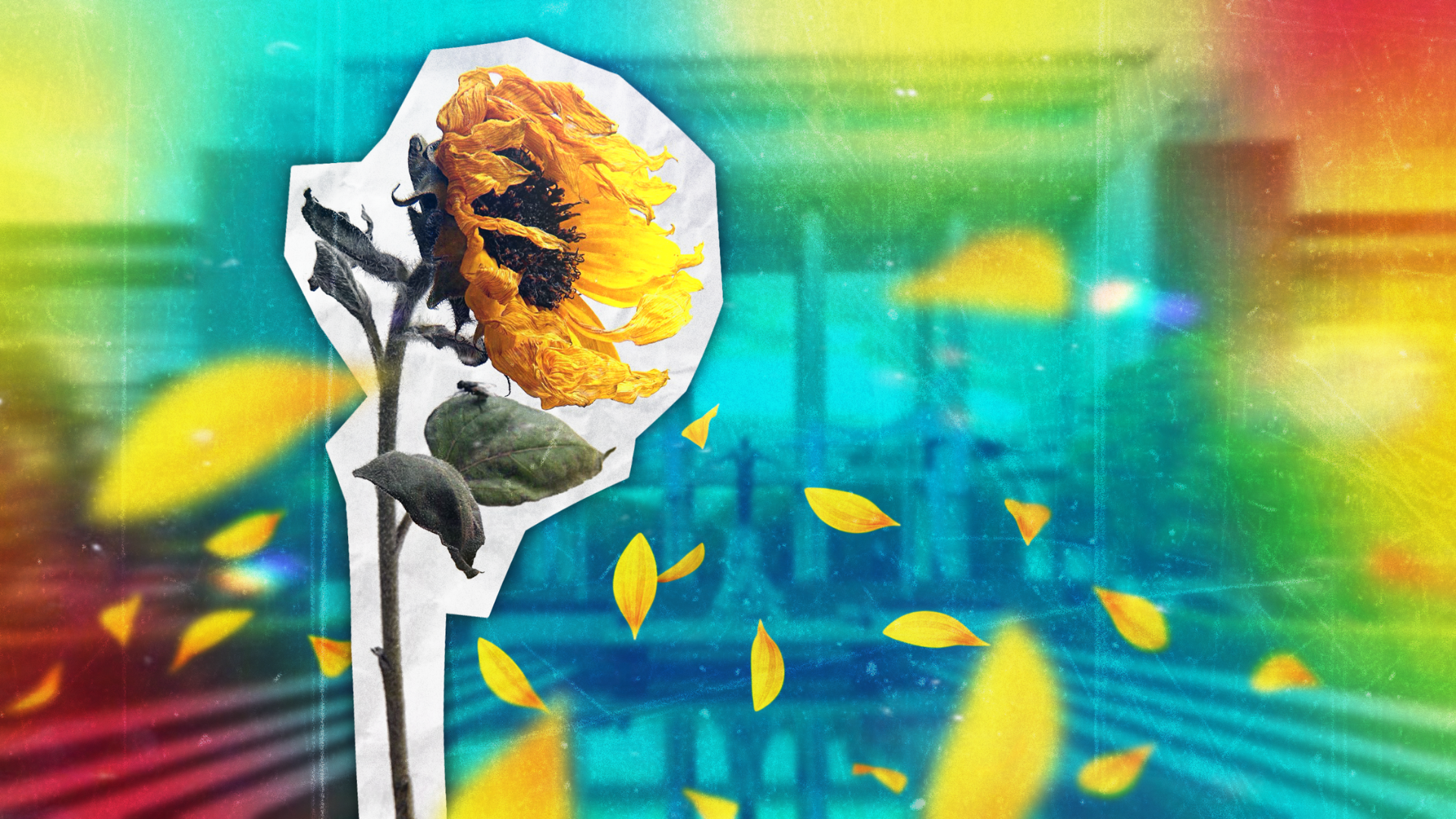
Once upon a time, love was in the air… it was neither performative nor dependent on social validation. It felt simpler and more intentional, before it had to prove anything online. Affection existed in private moments, and relationships were built through patience, consistency, and shared growth. Because that’s what love is, a process built by mutual trust.
As time passes, romance is becoming digitalized. While it sounds promising at first, this modernized version of love struggles to thrive in a culture shaped by instant gratification; it is no surprise that social media has reshaped how people understand love.
Furthermore, relationships are now measured by unrealistic standards, rather than by genuine connection. Love has become increasingly conceptualized through external validation; there are different existing theories and trending relationship standards to prove that you found your “true love.”
The result of this virality reduces the essence of what true love is. Many people find themselves chasing ideals shaped by social media, wherein they evaluate their relationships based on grand and viral gestures.
The Idea of “Organic Encounter”
Organic encounter is often romanticized as something effortless– two people meet by chance without prior intention; as if the universe itself conspires for that moment to happen. This belief frames love as something that should happen to us rather than something we actively participate in. Because of this, people may dismiss meaningful connections from deliberate effort. So, they might think that they are less authentic simply because they were intentional.
However, this fixation on “organic” interactions can create unrealistic expectations. In chasing this ideal standard, they may lower their guard and assume that a chance encounter is automatically sincere. Not every unexpected interaction is safe, and not every familiar setting guarantees good intentions. Furthermore, genuine intimacy is proven by how consistently trust and safety are established.
Testing the “Bird Theory”
The “Bird Theory” suggests that an action that seems so insignificant can actually show an indicator of someone’s interest in a relationship. On TikTok, this frames relationships around attentiveness to small moments. When one partner shares something like spotting a bird, it becomes a subtle bid for connection.
A thoughtful response signals emotional presence, “What is it like?” “What’s the color?” This suggests that the partner values the conversation and the person who said it. In this way, the theory emphasizes that intimacy is often built through everyday exchanges.
But if this is applied rigidly, the Bird Theory, like other theories, risks turning relationships into a pass-or-fail assessment. It is important to note that people can vary in their communication styles and emotional expressions. A missed response may not always indicate disinterest, just a curious reply does not guarantee deeper commitment.
Expectations on “If he wanted to, he would.”
The phrase “If he wanted to, he would” has become a powerful standard for evaluating effort in relationships nowadays, and it also becomes a reality check in the status quo. It emphasizes the idea that “if a man truly loves you, he will do anything for you.” A belief that intention naturally manifests as action… that someone who genuinely cares will make time, communicate clearly, and show up without being asked.
While this is technically true, this expectation can create pressure rather than room for growth. It encourages people to monitor behavior instead of communicating needs. This phrase indeed highlights the importance of effort, but should not replace the essence of having a deep conversation. Relationships are sustained through mutual expression, not silent observation.
Wanting someone does not always mean knowing how to love them well. Context matters too: emotional immaturity, fear of vulnerability, and personal struggles can affect how effort is shown. It is valid to want something, but relying on this idea can heavily discourage empathy and healthy discussion. Because relationships work both ways… and healthy relationships require communication that allows both partners to understand how care is expressed and received.
Relating “Taxi Cab Theory”
Taxi Cab Theory implies that men settle down when they think it’s the right time, regardless of who their partner is. It originated from the series Sex and the City, where character Miranda compared men to a taxi cab, stating, “When they’re available, their light goes on. They wake up one day, and they decide they’re ready to settle down… The next woman they pick up, boom, that’s the one they’ll marry.”
People on social media often use this term to relate to the relationships of famous personalities, where, after being together with someone for a long time, the person later chooses to marry a different partner. Many individuals use this theory to try to analyze or relate their own relationships. While it can be the answer to explanations they are looking for, it is crucial to remember that individuals vary and each one of us has different readiness and commitment in a relationship.
Counting “Nth Love Theory”
Have you seen this caption before: “The person you meet at [certain age] will be the one who you fall the most in love with, and will also break you the most.” This may seem relatable and believable, especially when a picture comes to mind the moment you read it. It may cause you to reminisce about the moment when the magic of love blew your way and how it resulted in rain. However, believing in such theories may harm relationships and sever connections.
Cooking the “Rice Cooker Theory”
Another theory has been circulating online called “Rice Cooker Theory.” Filipinos can relate to this theory because the idea is that when you cook rice in a rice cooker, you think it is already cooking, but later on, you realize you forgot to press the “cook” button. This playful idea was brought up by a TikTok content creator, Hanna Lei. She compared relationship to an uncooked rice because the button has not been pressed. No matter how long the rice was in the pot, even if it is plugged, it will always remain in its pre-cooked state. In the context of a relationship, no matter how long you get involved and talk to someone, it will never develop into something unless there is an intentional action to “cook” successfully.
Believing in “Men’s First Love Theory”
Can first love be so strong to the point that a part of us is left with them? Men’s first love theory has been continuously brought up on social media. It is the idea that men can never get over their first love– the person who taught them romantic love. This theory may change how women perceive love, and for some, it can cause anxiety, as the person who was not the first one. Whether this theory is proven or not, love is built with trust and respect. People can move on, grow, and form a deeper bond with another. Although cliché, the past is past, and people can live without the shadows of the past, through the light of love in the present.
There is no one universal idea of love. As time goes by, forms of love change, but its essence does not. Our way of loving, how we cultivate relationships, and our ideals on love vary. Nevertheless, it is essential to keep in mind that in our digital age, what we see on social media is only a part of reality; everyone has their own situations, and what they experience is different from yours. Hence, one must realize that relationships are yours to build and foster, not from theories that you just think are relatable.
Leave a reply
You must be logged in to post a comment.







hijackgiraffe
Nice read 👍 Social media truly is setting such unrealistic expectations on romance and relationships. From “organic encounters”, TikTok theories, and “if they wanted to they would” statements—it slowly turns love into a curated feed rather than a journey of growth and discovery of two (rather flawed) individuals.