Now Reading:
The real villain of The Devil Wears Prada 2 isn’t Miranda Priestly
It’s what AI is doing to journalism
-
01
The real villain of The Devil Wears Prada 2 isn’t Miranda Priestly
It’s what AI is doing to journalism
The real villain of The Devil Wears Prada 2 isn’t Miranda Priestly
It’s what AI is doing to journalism

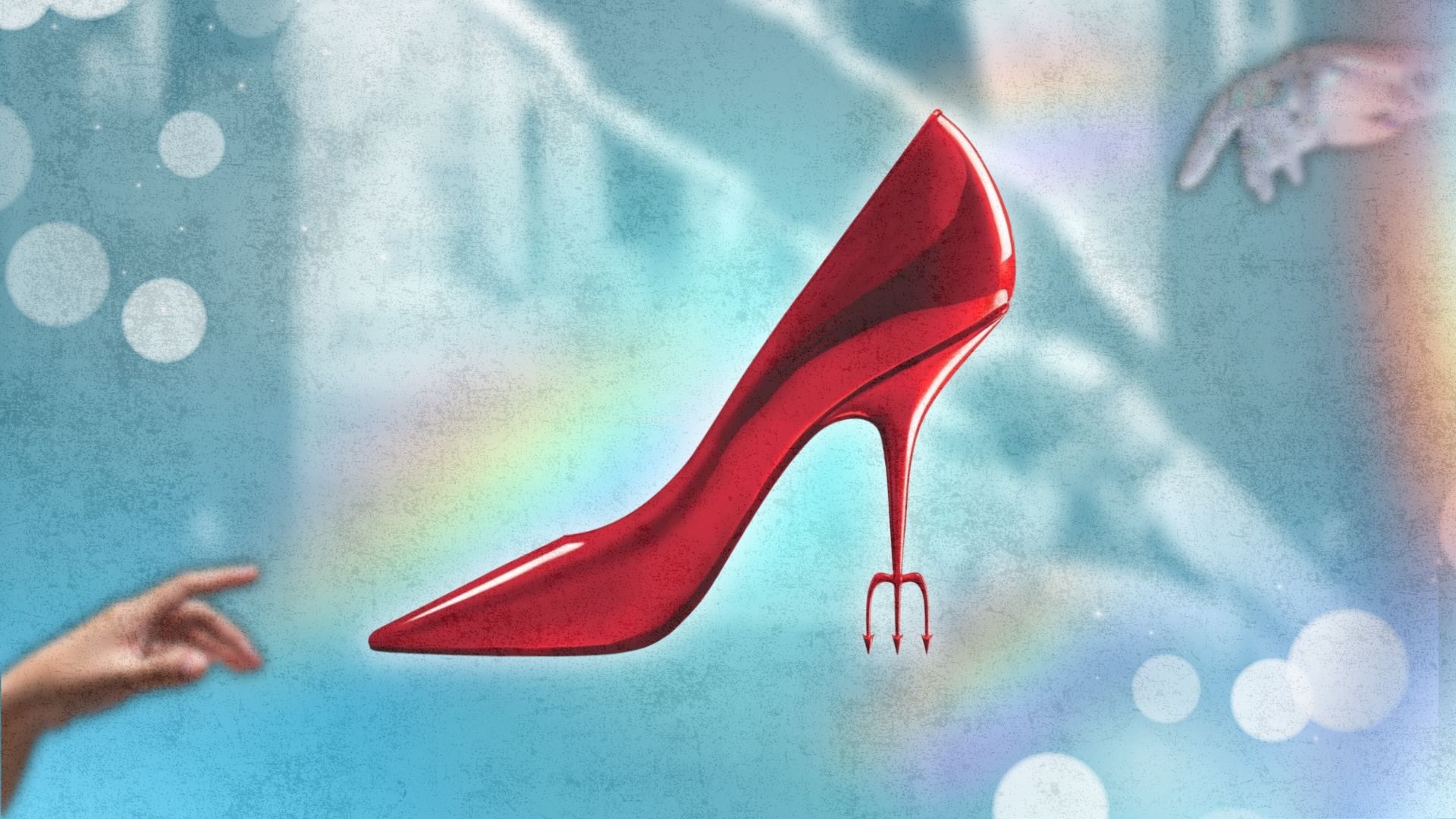
The Devil Wears Prada 2 isn’t just a reunion of our favorite fashion chaos; it goes beyond the importance of cerulean sweaters and flowers in spring. The film reflects what the world is going through right now: how we are all, in some way, handing over our cognitive autonomy to artificial intelligence and how it is costing us jobs, money, and opportunities, ultimately making life less livable.
If you watched the first film, the opening seconds will hit you right in the chest. It begins with an almost breathless, wide-eyed entry into a world that feels too fast, too glamorous, and too unforgiving for someone who makes even a single mistake. It immediately recalls the first movie’s intoxicating pull of being thrown into a world moving faster than you can keep up with. Where the 2006 film romanticized the chaos, the sequel is far less forgiving of it.
Building on the legacy of the original film, they did a great job of successfully reuniting the core cast from Meryl Streep, Anne Hathaway, Emily Blunt, and Stanley Tucci, with the addition of Simone Ashley as Amari, Miranda Priestly’s new first assistant. Where Emily Charlton’s comedy came from anxiety and desperation (you’ll see what I mean once you watch the movie, it’s a whole different side of Emily), Amari operates with a cooler, more self-possessed energy; the filmmakers deliberately wanted her to feel like something new, not a remix of what came before. For a moment with the returning cast, it feels like no time has passed (and somehow, no one has aged).
But what makes the sequel interesting isn’t just the reunion or nostalgia. It’s how the film places these familiar characters into a world that no longer works the way it used to, including the ones that are supposed to be about art, about vision, about the kind of work that takes time to get right. Fashion magazines are struggling to stay relevant, and the pressure to produce faster and cheaper content hangs over almost every decision in the movie.
People don’t want to read anymore — that’s a fact the film doesn’t shy away from. But it also refuses to let the industry off the hook for accelerating that very trend in pursuit of cheaper output.
Yet despite the evolving world, the film shows how some things never change. Although Andy finally pursued and succeeded as a journalist, she still stands her ground, fights for what’s right, and for the people she cares about. Bumping into Runway once again after 20 years, as well as reuniting with her former colleagues, her life as a Feature Editor at the fashion magazine will give you a glimpse of how frustrating it is to work as a journalist and be in charge of writing articles that should make an impact in a world where people barely even want to touch print media anymore.
In the present, where a well-reported article that took a journalist a week to write can now be approximated in seconds, and where the pressure to produce more, faster, cheaper has quietly become the loudest voice in every creative room, the film sits in that discomfort without pretending there’s a clean answer to it.
But The Devil Wears Prada 2 isn’t asking us to resist progress in some romance or wanting everything to move in a glacial pace kind of way, but holding onto it to preserve what really matters — art, music, poems; they are all indispensable and what makes life worth living.
Who is this for? Fans of the original will find enough warmth and wit to justify this awesome sequel. At the same time, this is also for those people who have watched their industry reshape itself around automation and wondered whether the thing they loved about their work will survive the efficiency. For me, it isn’t a perfect film, however, it is a necessary one.
Author’s note: I would kill for that job too — figuratively, obviously. Being an assistant at a major fashion magazine and becoming a feature editor in New York? Someone get me on the plane now
That’s all.