









Now Reading: Future leaders, present targets
-
01
Future leaders, present targets

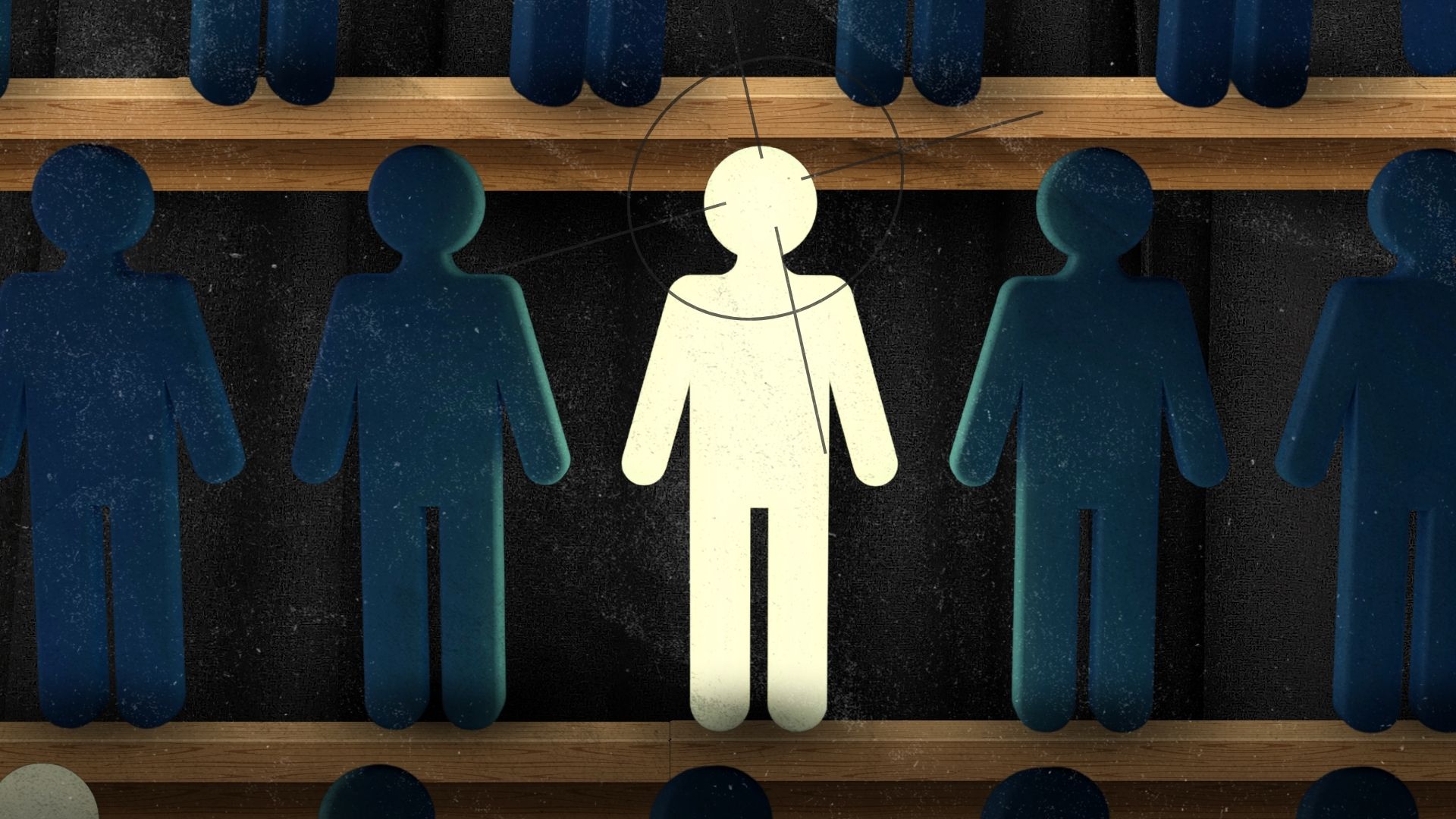
A student raises a placard. Another joins a protest. Someone writes an opinion criticizing the government. Someone else questions a policy in class. A young activist speaks about an issue that affects their community. These should not be extraordinary acts.
Yet for some young Filipinos, speaking up can come with a price: being dismissed, harassed, threatened, or even labeled as an enemy.
Every August 12, the world celebrates International Youth Day. Young people are praised as innovators, changemakers, future leaders, and the hope of the nation. We tell them to dream big, participate, lead, and make a difference. But what happens when they actually do? What happens when the young people we encourage to speak are saying something we do not want to hear?
This year’s United Nations theme, “Different Contexts, Common Aspirations,” recognizes that young people may grow up in different social, economic, and cultural environments but share common hopes for quality education, meaningful participation, decent work, dignity, and a better future. Meaningful participation, however, cannot only mean participation when it is convenient.
Young people should not be celebrated only when they are winning competitions, volunteering in communities, developing innovations, or delivering inspirational speeches. They should also be allowed to question, criticize, organize, and protest — even when their opinions challenge those in power. Otherwise, “youth empowerment” becomes little more than a slogan.
Additionally, the contradiction becomes especially serious when young people who participate in activism are subjected to red-tagging. A study examining the lived experiences of five red-tagged student activists in Cebu found that the consequences went far beyond being given a political label. Participants reported experiences involving digital doxxing, surveillance, online harassment, and institutional scrutiny. These experiences affected their daily routines, relationships, families, and sense of security.
Red-tagging is not simply calling someone a name. It can turn a young person’s political participation into a threat to their personal safety. Moreover, there is no centralized government database that precisely records how many students have been red-tagged in the Philippines, making the full scale of the problem difficult to determine. Still, the same study noted that human-rights monitors have recorded hundreds of broader red-tagging incidents, with about 17.2% involving youth and student activists. That figure should not be mistaken for a complete national count. But the absence of comprehensive data should not be mistaken for the absence of a problem either.
On top of that, the issue has also entered the digital spaces where young people spend much of their time. Amnesty International has documented the use of Facebook in red-tagging campaigns against young activists and human-rights defenders in the Philippines. Its research found that young activists experienced harassment, intimidation, and threats that contributed to fear and self-censorship.
One young activist interviewed by Amnesty described the effect plainly: being posted and harassed online can make someone feel like a target and can make others think twice about becoming activists because of the danger attached to it. That is a troubling message to send to a generation supposedly being encouraged to participate.
It becomes even more concerning when political labels are used against students simply for exercising forms of peaceful participation. In the Cordillera, several college students staged an online protest after a government-organized peace-convergence webinar that they said involved red-tagging and harassment of progressive groups. The students raised placards calling for an end to attacks against activists and youth organizations.
In another case, the University of the Philippines President’s Advisory Council criticized statements from the National Task Force to End Local Communist Armed Conflict that associated academic walkouts with possible NPA recruitment. UP argued that such statements misrepresented legitimate protest and endangered students exercising constitutionally protected freedoms. These incidents are important not because every student activist is automatically correct. They are important because disagreement does not erase rights.
More importantly, the 1987 Philippine Constitution protects freedom of speech and expression, as well as the right of people to peaceably assemble and petition the government for redress of grievances. Those rights do not suddenly disappear because the person exercising them is young.
The Supreme Court has also recognized the seriousness of red-tagging. In its ruling in favor of Siegfred Deduro, the Court declared that red-tagging, vilification, labeling, and guilt by association threaten a person’s rights to life, liberty, or security and may justify the issuance of a writ of amparo.
It shows that a government can disagree with protesters. A school can disagree with student organizations. A citizen can disagree with an activist. But disagreement should be answered with argument, evidence, and lawful processes — not with labels that can place people at risk.
Another thing is that young people already face barriers to meaningful political participation even without the threat of being branded. Youth Democracy Cohort emphasized that around one in three Filipinos is between 15 and 30 years old, giving young people enormous potential to shape the country’s democratic future. Yet young people continue to face structural and cultural barriers to political participation, including age restrictions, financial barriers, unequal political systems, and environments that discourage youth leadership.
Young people are numerous enough to matter, but not always powerful enough to be heard. And the consequences can reach beyond protests. The Philippines scored 0.659 in the latest Academic Freedom Index, a decline of 0.070. While the country remains in the middle ground internationally, experts cited weakening campus integrity and incidents of red-tagging as factors contributing to a chilling effect on academic expression.
That should concern anyone who believes education should create critical thinkers. A classroom should be a place where students can ask difficult questions. Why is this policy necessary? Why are people being displaced? Why is public money being spent this way? Why should we believe this claim? Why is the government doing this? Questions should not be treated as evidence of disloyalty.
If we teach young people to think critically but punish them when their critical thinking reaches uncomfortable conclusions, then we are not really teaching critical thinking. We are teaching compliance.
Of course, youth participation should not place anyone above the law. Young people can be wrong. Activists can be wrong. Protesters can be wrong. Political movements can be wrong. Their claims should be examined, challenged, and debated like anyone else’s. But being wrong is not the same as being dangerous. And being critical is not the same as being an enemy.
This is where International Youth Day should mean more than another annual celebration. The United Nations’ “Different Contexts, Common Aspirations” recognizes that young people come from different circumstances but share many of the same hopes. One of those aspirations should be the ability to participate in society without fear of being punished simply for having a voice.
We cannot keep telling young people that they are the nation’s future while refusing to listen when they speak in the present. We cannot ask them to become leaders while teaching them that leadership means never challenging authority. And we cannot demand critical thinkers while making criticism something to fear.
Young people are not waiting for some distant tomorrow to become citizens. They are already students, workers, voters, volunteers, journalists, organizers, researchers, artists, and community members. They already live with the consequences of today’s decisions. They are already part of the country they are supposedly expected to lead someday.
So perhaps the better question is not whether today’s youth are ready to become future leaders. Perhaps it is whether today’s society is ready to let them lead without first demanding their silence.
Because if we truly believe young people are future leaders, we should not make them present targets simply for having the courage to speak.