



Now Reading: The warmth of life changes, but the cup of taho stays the same
-
01
The warmth of life changes, but the cup of taho stays the same
The warmth of life changes, but the cup of taho stays the same

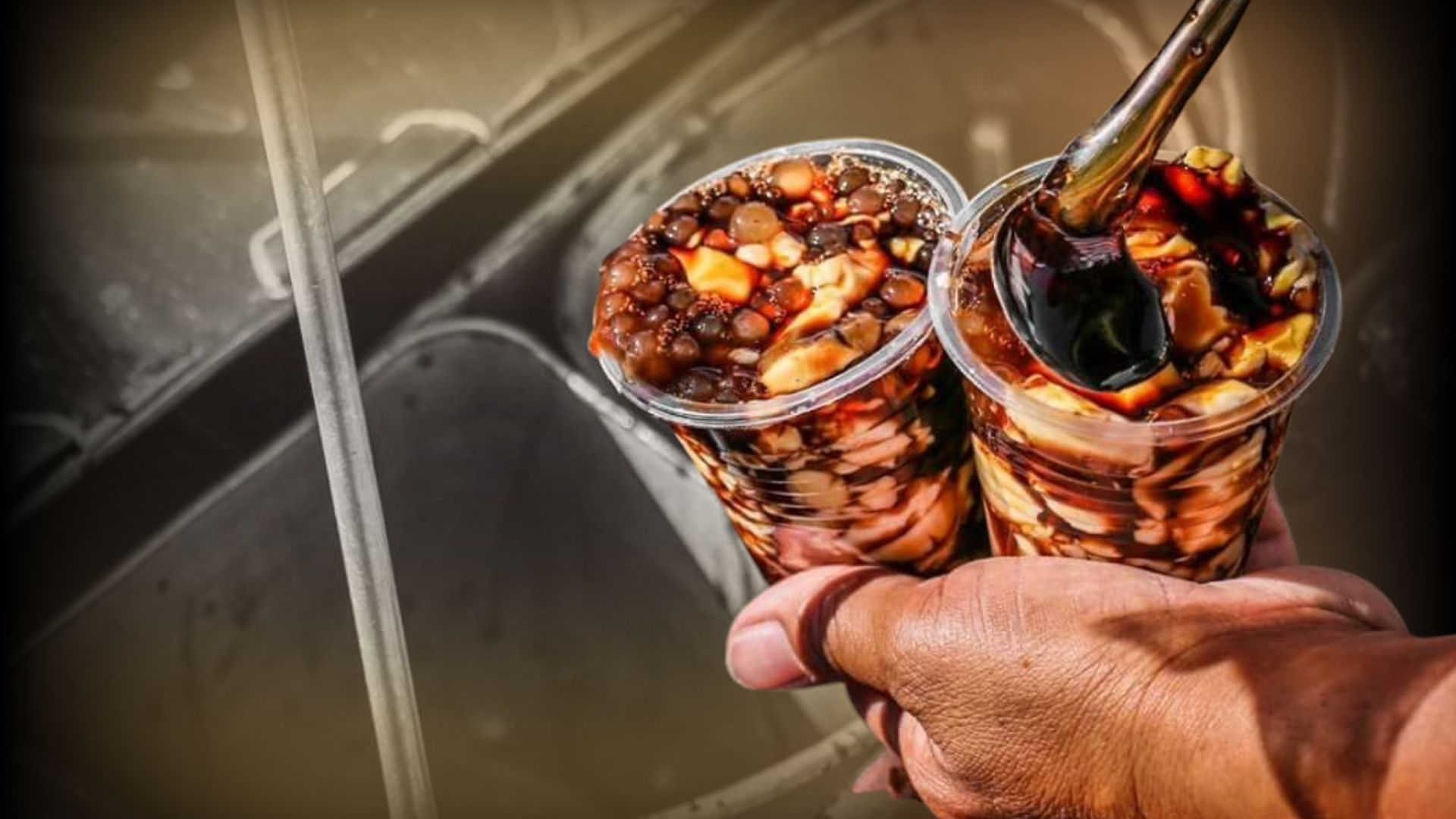
When I was nine years old, I thought the best thing about taho was its warmth.
Every noon, I would wait for the familiar call echoing through our street. Before I even saw the taho vendor, I would already be asking my mom for a ten-peso coin, eager to exchange it for a warm cup topped with the sweet arnibal and sago. I always ate it too quickly, ignoring the heat that burned my tongue and rushing to finish it before it cooled.
The afternoons themselves seemed warm in the same way.
Back then, life felt smaller and simpler in ways that I did not know how to name. The neighborhood was always the same in a way I never thought to question—someone shouting from inside their house, neighbors talking outside their gates with their pamaypay, and the sound of footsteps, passing tricycles, and laughter blending with the afternoon heat.
The taho vendor came so regularly that I hardly noticed him. He was simply part of the afternoon, as expected, with the heat and the familiar voices outside. The moment I finished my cup, I would return to whatever game I had been playing, so certain that tomorrow would unfold in much the same way.
At nine years old, I thought those days were ordinary. Now I know they were not.
Eight years later, I am a freshman in college, still adjusting to everything that comes with growing up. The neighborhood that once felt so full and alive seems quieter these days. There are almost no children playing outside anymore. The afternoon that once felt endless now passes without much happening. The streets remain the same, yet they somehow feel smaller than I remember.
And still, every noon, a familiar voice echoes through them.
“Tahooo!”
The sound always makes me look up.
For a brief moment, I am nine years old again, standing at our gate with a coin in my hand, waiting for a warm cup of taho. The taste remains unchanged. The soft silken tofu still melts away after a few spoonfuls. The arnibal is still sweet. The warmth of it still settles comfortably in my hands.
Yet each time I hear that voice, I find myself thinking about different things.
As a child, I believed I missed the taho.
I miss the afternoons that seemed longer than they really were. I miss the sound of children filling the streets. I miss a neighborhood that felt alive simply because everyone seemed to be outside at the same time.
Looking back, I think the taho merely gave me something to hold while everything else happened around it.
Growing older has a way of revealing the things childhood allowed us to overlook. For years, I paid attention only to the cup in my hands. I never thought much about the person carrying it.
Now I notice him first.
I notice the wooden pole balanced across his shoulders and the aluminum buckets hanging from either side. I notice the slow, slightly unsteady pace of his walk beneath the afternoon sun. I notice how far he must travel before reaching our street and how much farther he must still go after leaving it.
As a child, the moment his voice faded into the distance, he disappeared from my thoughts. Now I find myself wondering about the rest of his day. Another street waits beyond ours, then another after that. Another set of houses. Another group of people recognizes the same familiar call.
Perhaps that is why the taho feels different now. Not because it changed, but because I can finally see beyond the few minutes it spent in my hands.
For years, I thought I remembered taho because of its warmth.
Looking back, I think what stayed with me was everything that arrived alongside it—the afternoons, the voices, and the people I was too young to notice.
By the time I learned to notice them, they had already begun to disappear. And maybe, the taho never changed, people did, we did.