

Now Reading: How does a tragedy become humor? The cases of Christine Dacera and Rene Baterbonia offer some answers
-
01
How does a tragedy become humor? The cases of Christine Dacera and Rene Baterbonia offer some answers
How does a tragedy become humor? The cases of Christine Dacera and Rene Baterbonia offer some answers

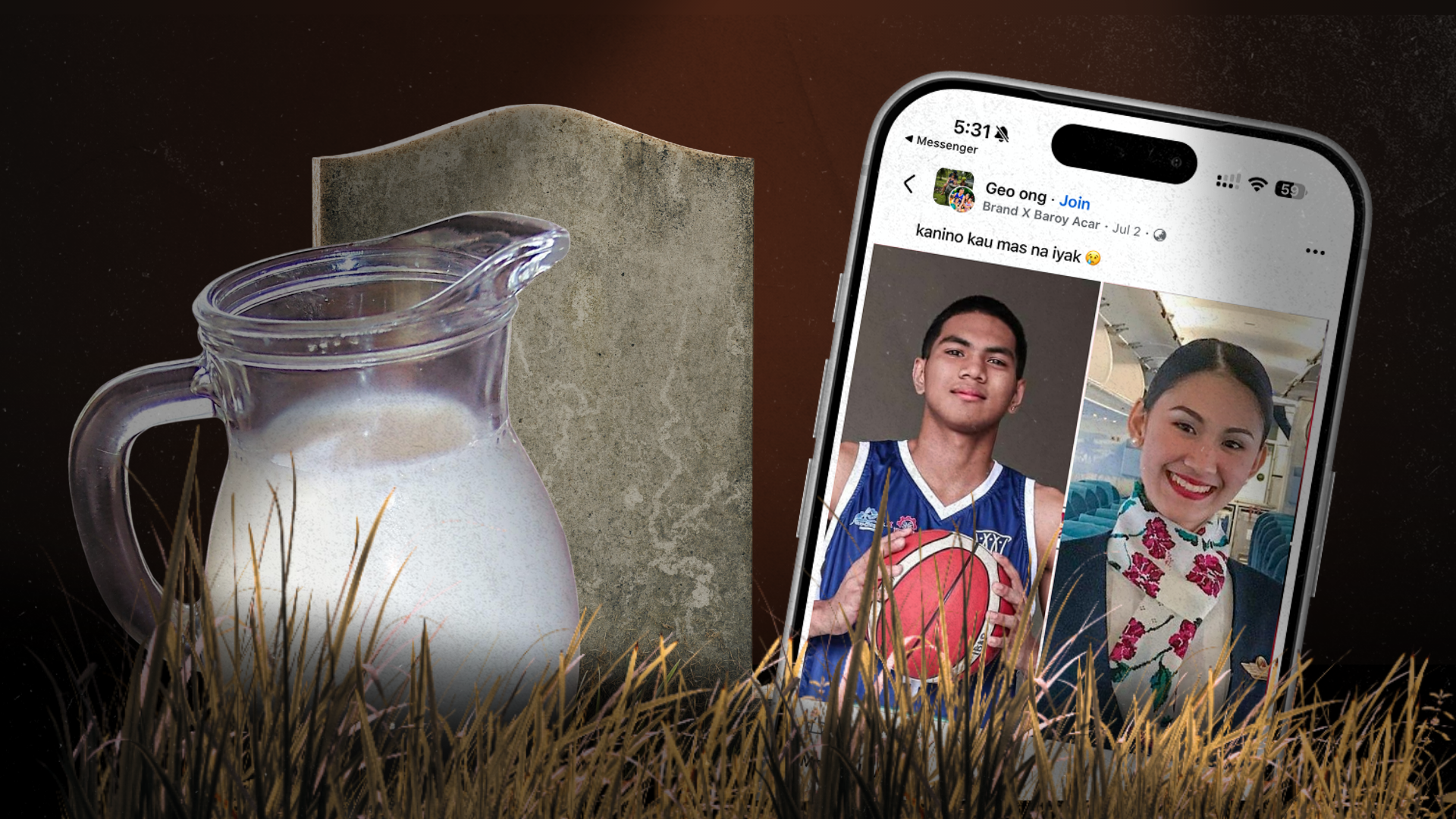
Christine Dacera and Rene Baterbonia died more than five years apart, under very different circumstances. But what happened to their stories afterward followed a pattern that now feels familiar: grief became outrage, outrage became spectacle, spectacle became content, and eventually, content became something people could make fun of. Neither death was funny; what became absurd was everything the internet built around them.
When Dacera was found dead in a Makati hotel room in 2021, the country did not immediately turn her into a meme. The first reaction was outrage. #JusticeForChristineDacera trended widely as police prematurely presented the case as rape-homicide and declared it “solved,” even before key forensic questions had been settled. Media watchdog CMFR would later criticize news organizations for amplifying those claims and said the coverage eventually “made a spectacle out of the case,” from repeatedly airing her grieving mother’s appeals for justice to following the family through Christine’s burial.
The spectacle eventually became bigger than the facts. People argued about what happened inside the hotel. The men who were with her became public characters. Politicians entered the conversation. Old videos and fabricated claims were passed around as evidence. The actual legal story later became far less dramatic than the version that first dominated social media, but by then Christine Dacera was already more than the subject of a death investigation. She had become part of Philippine internet culture.
That is why, years later, jokes can invoke her name without even explaining the case. Someone can make an absurd reference to a “Christine Dacera air fryer,” and the joke works precisely because the audience has already been exposed to the story so much that Christine herself has become shorthand.
Something similar happened with Rene Baterbonia, except the transformation unfolded even faster.
After Baterbonia died during an Ateneo basketball team activity in June, legitimate questions about accountability quickly produced an enormous online response. Calls for justice mixed with speculation, misinformation, political narratives, and increasingly intense forms of mourning. Soon there were tribute videos, edited photographs, AI-generated images, memorabilia, and people developing what observers began describing as a parasocial relationship with someone many had only come to know after his death.
An Inquirer Lifestyle essay published a little over a month after his death described how the mourning had already evolved into a strange online subculture. Other documentation of the phenomenon recorded AI-generated devotional imagery portraying Rene almost like a saint, merchandise using his name and image, and creators repeatedly turning developments around his death into material for engagement. His mother, Rovelyn Baterbonia, eventually appealed to vloggers not to use their family’s private affairs simply to create content and make money.
By July, the backlash had become visible too. Online discussions were no longer only asking what happened to Rene. People were asking why strangers were making romantic edits of him, creating imagined conversations, producing tribute merchandise, or behaving like members of a fandom around a young man who had died only weeks earlier. Some users explicitly observed that Rene was becoming a meme indirectly because creators and public figures had “milked” his death so aggressively.
This is where the memes become easier to understand. They are not necessarily the opposite of the sensationalism. In many cases, they are produced by it.
A tragedy receives so much attention that the people, images and phrases surrounding it become instantly recognizable. The public learns the grieving mother, the justice slogan, the tribute-video aesthetic, the conspiracy theories and even the type of Facebook post usually attached to the story. Once all of those things become familiar enough, other internet users begin parodying them.
The object of the joke may initially be the spectacle itself: the over-the-top tribute, the obvious engagement bait, the parasocial fan, the vlogger producing their fifteenth video about someone they never met. But because the dead person remains at the center of all of that imagery, the line between making fun of the spectacle and making fun of the person eventually disappears.
That may be the more useful way to understand what happened to both Dacera and Baterbonia. Their deaths did not become jokes simply because Filipinos are uniquely insensitive or because people suddenly stopped caring. Before anyone laughed, people cared very loudly. They demanded justice, watched every update, shared every allegation, followed grieving relatives and consumed enormous amounts of content about people they had never known personally.
Eventually, the tragedy itself became familiar enough to be treated like a shared cultural reference.
And once a person becomes content, the internet can do almost anything with them. It can mourn them, defend them, monetize them, politicize them, romanticize them, exaggerate them and, eventually, parody them.
Perhaps that is how a tragedy becomes humor.
Not because the tragedy was ever funny, but because somewhere along the way, the spectacle became bigger than the person at the center of it.