


Now Reading: Rebranded suppression
-
01
Rebranded suppression

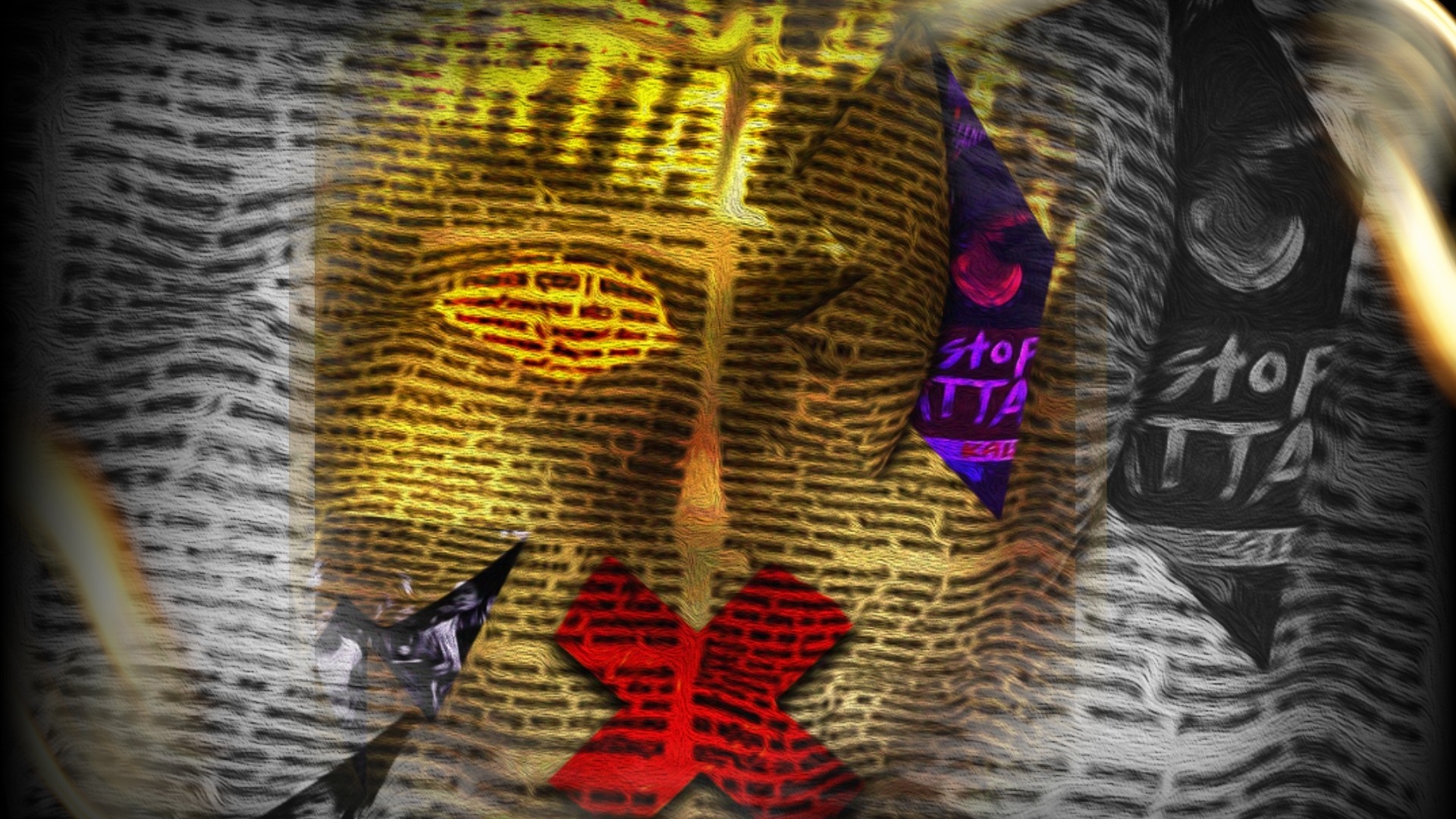
During the early days of the Marcos dictatorship, it was the late National Artist for Literature Resil Mojares, then a sharp-penned Cebuano journalist, who warned in his final column that military rule was taking shape. For this, he was among the very first individuals arrested and detained.
Today, we commemorate the 54th year since then-President Ferdinand Marcos Sr. placed the country under Martial Law, yet after more than five decades later and with Mojares’ recent passing, the same struggles and threats directed towards journalists remain present—just wrapped in a less gruesome packaging.
For many Cebuano journalists, looking back has meant less about remembering and more about staring at a mirror. While the streets are free of tanks and the military no longer takes over the assets of major media outlets, the suppression remains persistent in many forms.
For former Sunstar Cebu and Bacolod Editor-in-Chief Marchel Espina, this suppression manifested through the weaponization of laws.
Stemming from an opinion article titled “Demonic Church Meddling in Politics” published in December 2024, on July 13, a Batangas court sanctioned the arrest of Espina and four others for allegedly causing unjust vexation. Espina revealed that she was not aware of the existence of the criminal case until the night of Wednesday, July 15, and that she never received any subpoena directing her to file a counter-affidavit before the case was brought to court.
In her final report, United Nations Special Rapporteur Irene Khan named the Philippines among the nations whose laws are being used against journalists, warning about the worldwide attack on freedom of expression.
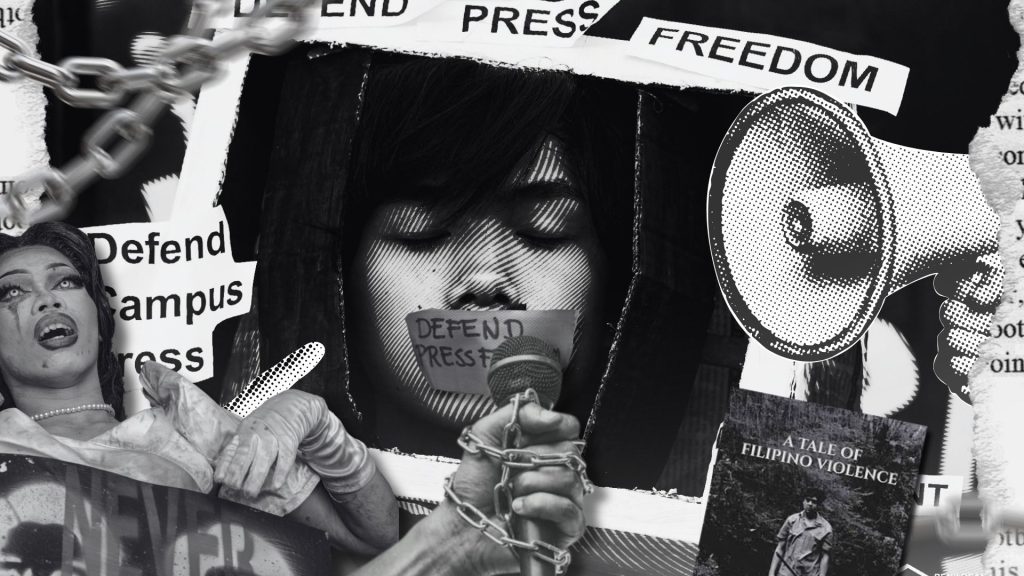
Likewise, campus press across Cebu is no less aware of threats of similar scale.
From 2023 to 2024, data from the College Editors Guild of the Philippines (CEGP) reported around 200 incidents of campus press freedom violations across the country.
This reality is heavily echoed by Today’s Carolinian, the official progressive student publication of the University of San Carlos (USC). Since 2019, the publication has been operating independently after it was defunded due to its critical reporting of USC’s administrative policies concerning issues such as tuition and other fee increases. In 2025, the publication was kicked out of its own campus office without prior notice.
The CEGP itself experienced its own share of intimidation. During a forum at the University of San Jose-Recoletos in 2024, the guild was labeled an “NPA recruiter.” In the same forum, images of deceased activists and human rights defenders were shown together with their names, affiliations, and educational backgrounds, causing discomfort to some participants.
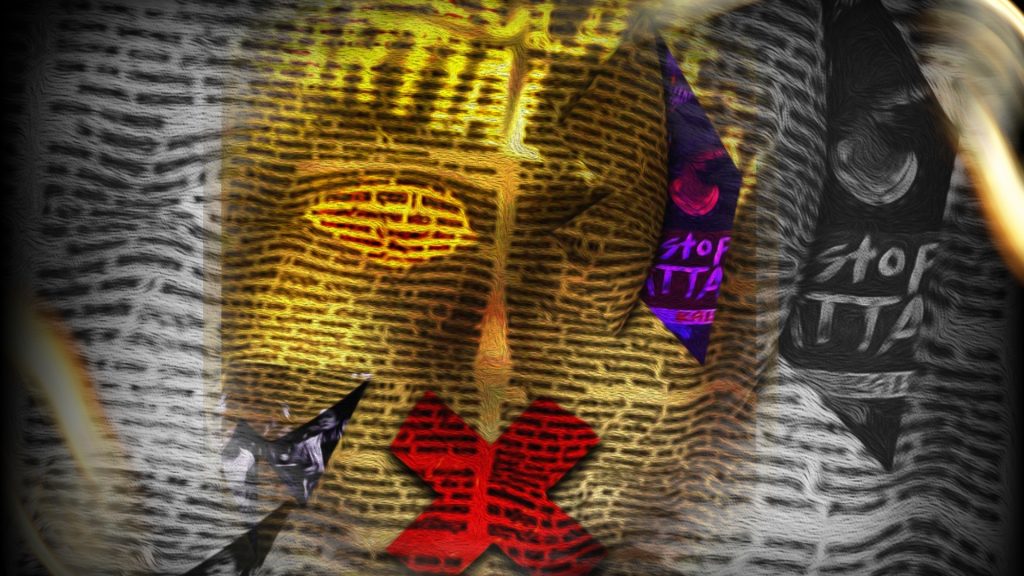
This exposes how legal engineering, campus press repression, and red-tagging—the cornerstones that sustained the Marcos era—risk becoming standard practice half a century since it first took hold.
But all of these are only chapters in a long list of compounding issues that the present time imposes on Philippine journalism. This is because while journalists continue to tackle the historical trials that afflict them to this day, they are also met with the demands of the contemporary world.
The most glaring manifestation of these issues is the plummeting public trust of Filipinos in journalism.
Trust in news in the country declined from 38 percent in 2025 to 28 percent this year, according to the Reuters Institute’s 2026 Digital News Report. A downward trend induced by consistent disinformation campaigns embodied by online platforms flooded with false or misleading narratives to coordinated attacks targeting rival camps, activists, and journalists that have blurred the line between the truth and propaganda.
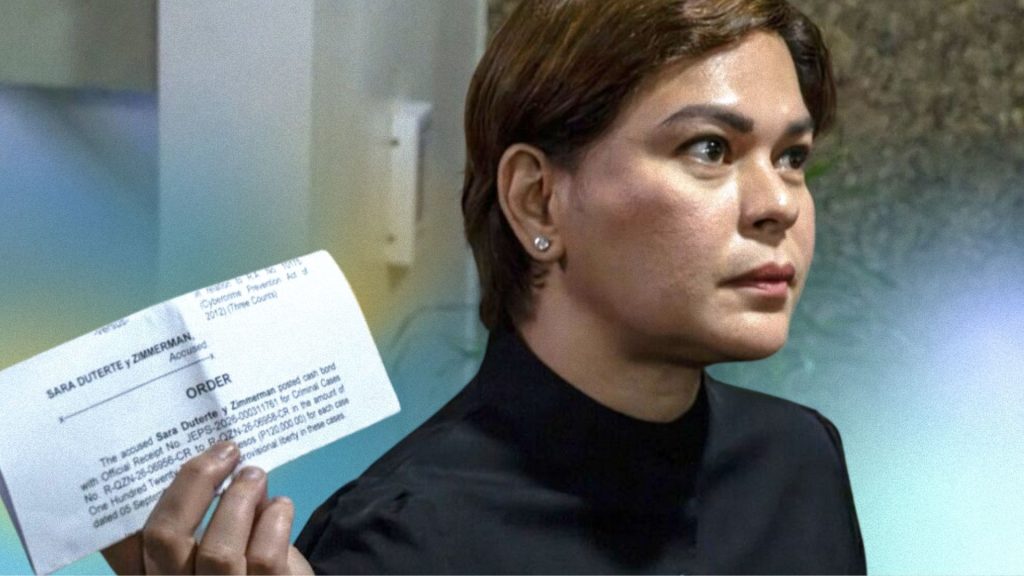
This is particularly alarming as the country enters its most politically consequential period since the EDSA People Power Revolution that toppled the Marcos dictatorship, with the impeachment trial of Vice President Sara Z. Duterte now underway, where sensationalism and media polarization are extremely evident.
Adding more strain, the Center for Media Freedom and Responsibility, a major catalyst in rebuilding post-dictatorship journalism in the country, will soon permanently halt its operations.
For almost four decades, the organization played a vital role in documenting killings, threats against journalists, recorded impunity in media murders, and kept the state of press freedom in check while promoting professional journalism.
As one of the country’s most established media watchdogs, it helped lay ground local press councils, including the Cebu Citizens-Press Council, which now serves as a vital forum for airing media issues and grievances all across Cebu.
The role of journalism today comes at a very critical point in the country. Without the pillar of the fourth estate, society will find it hard to keep its balance and, therefore, will enable people in charge to shape truth as they see fit.
However, entrusting this heavy burden to the individuals who nourish this pillar should not simply be justified by the notion that it is their mandate.
Inasmuch as journalism keeps power in check, tells stories of those unheard, and exposes hard truths at the cost of their safety and lives, the institutions and we, the people, are required to fulfill our own end of the bargain.
We cannot expect truth to be heard when we ourselves deny the legitimacy of journalistic work simply because it goes against our beliefs. Journalists will remain handicapped if the state continuously falls short in ensuring that laws does not become a weapon against truth telling as much as other laws should be sufficient in provisions to protect the people it was made for. Red-tagging, moreover, should constitute in itself a crime if we truly want an institutionalized freedom of the press that is actually felt by those on the ground.
Contrary to these, we risk this social institution into collapse and its rubble is not carried only on the shoulders of the press—the burden also falls on the Filipinos who are deprived of factual, credible, and nonpartisan information.
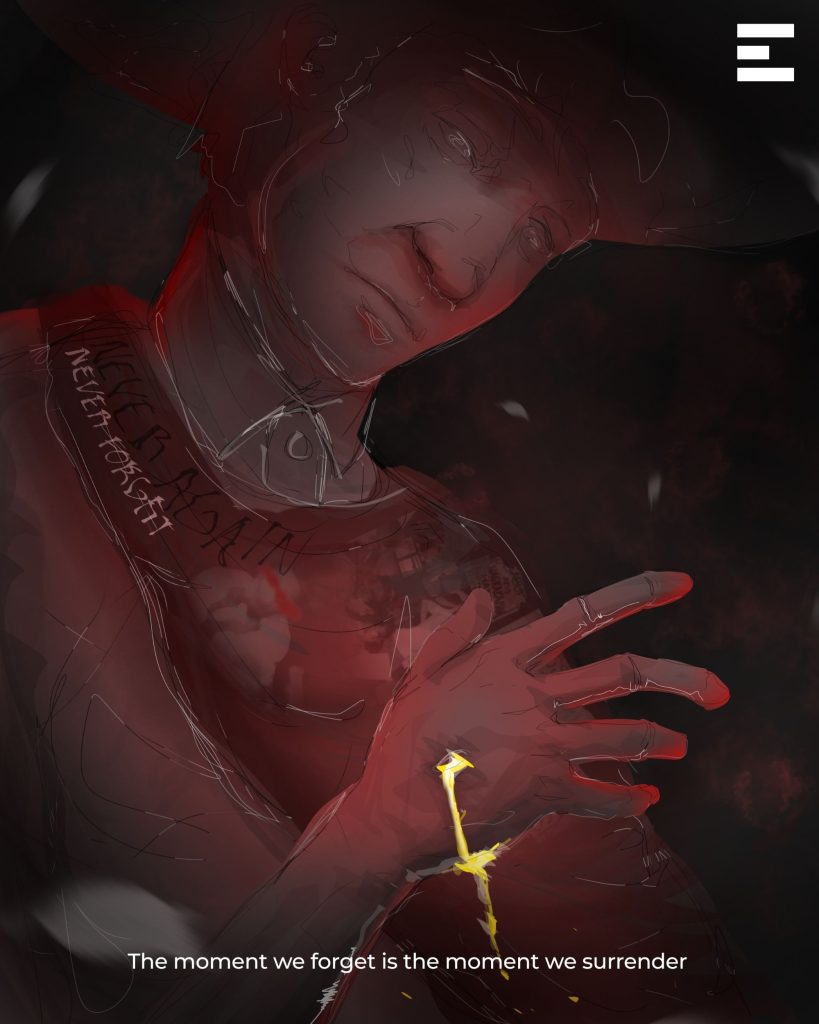
As we celebrate Cebu Press Freedom Week, we are not simply reminded of the morbid past so it won’t happen again—we are asked to resist the quiet suppression that risks rebranding itself as normal.