




Now Reading: España’s erased graffiti speaks louder than paint, it’s about a systemic reality
-
01
España’s erased graffiti speaks louder than paint, it’s about a systemic reality
España’s erased graffiti speaks louder than paint, it’s about a systemic reality

Laurence Pernato
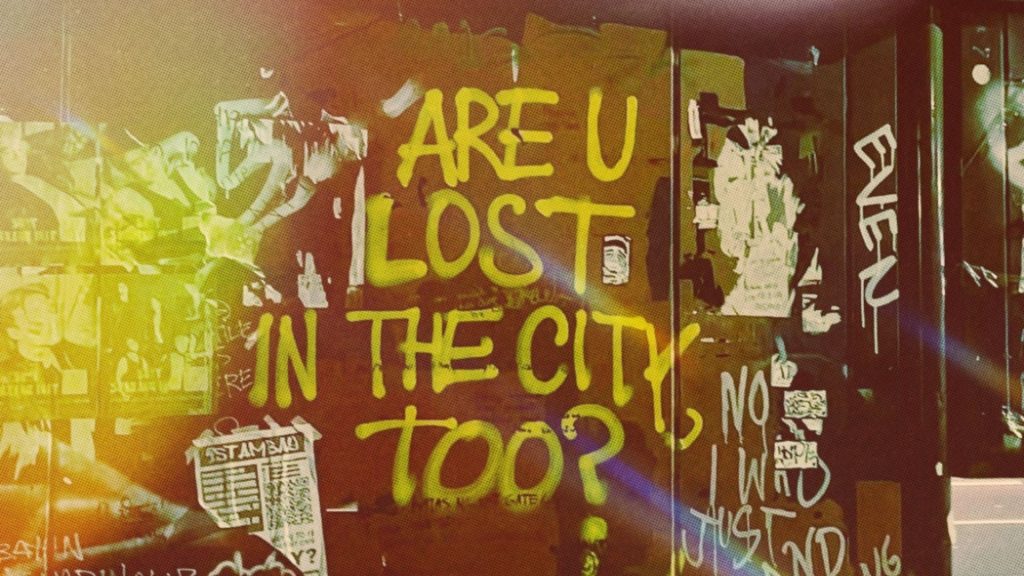
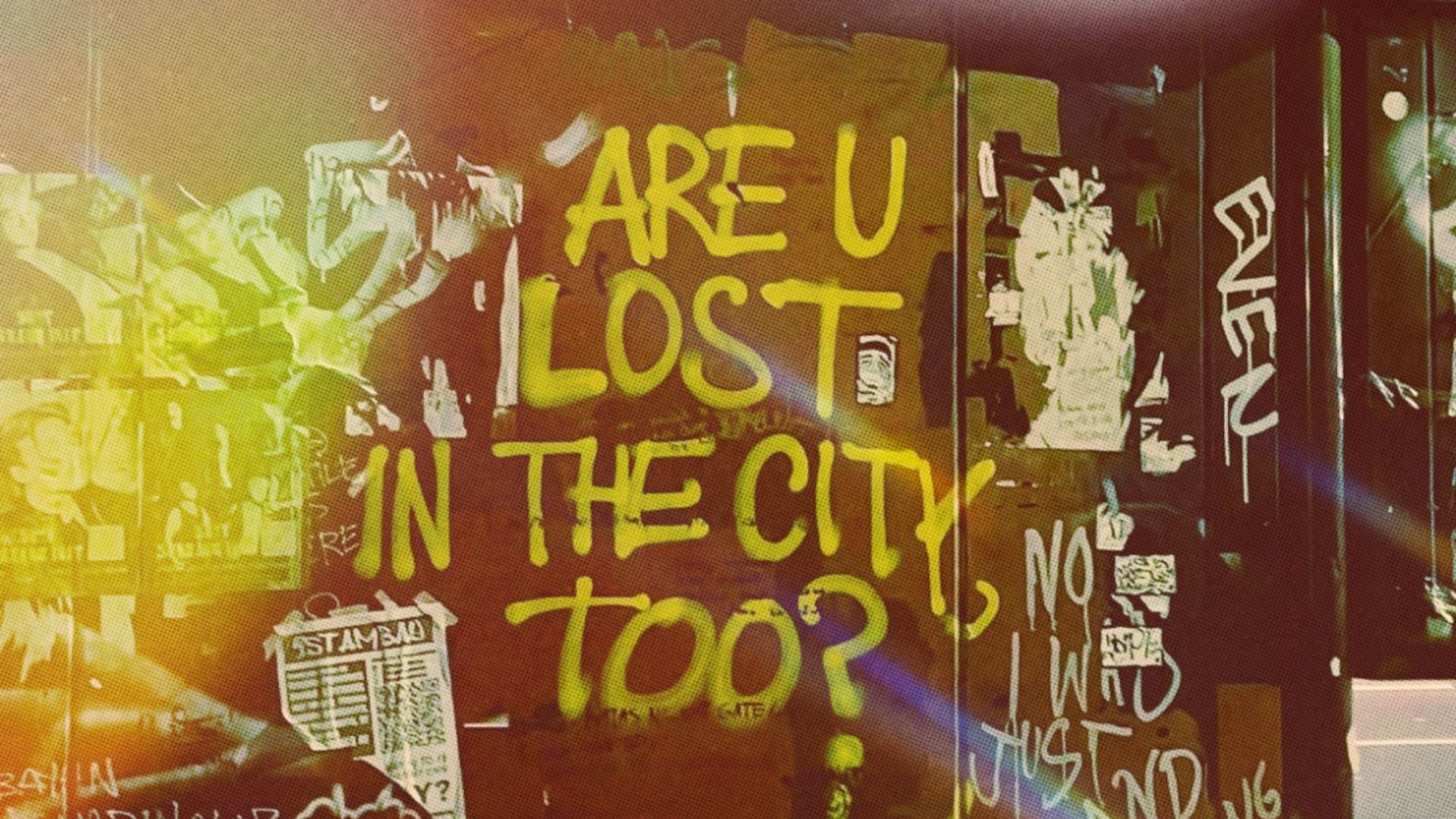
Under the bright streetlights along España Boulevard, where thousands of tired students dodge traffic and fight through heavy rain, a simple wall used to offer a quiet pause near the University of Santo Tomas (UST) in España, Manila. Written in plain spray paint, “ARE U LOST IN THE CITY, TOO?” was more than just words on a wall—it was a silent companion to every tired student walking back home.
Written by street artist L.L., the graffiti served as an unofficial landmark, a subtle reminder that amidst Manila’s endless noise, intense downpours, and exhausting routines, no one was truly isolated in their struggles.
However, as part of Manila’s local government’s recent street cleanup drive, municipal workers painted over the iconic quote, restoring the wall to a stark, sterile finish. Yet, the concrete refused to remain silent for long. Within hours of the erasure, a fresh statement emerged in its place: “LOVE IS ALL WE HAVE.”
The heartbeat of the University Belt
For the Thomasian community and thousands of daily commuters, the erasure hit home.
For Ricci Crisdel P. Sausa, a first-year Secondary Education student, UST is already a huge university, with many students to encounter and a mountain of school work. And like what was plastered on the wall, she also feels adrift sometimes.
“It gives me that feeling of being physically surrounded by a huge city, pressure air, and chasing deadlines while still feeling a little lost or alone,” Sausa shared.
When news spread that city workers had painted over the wall, the sense of loss was immediate across the community.
“Honestly, I felt a little sad,” said Stephanie Cubol, a first-year Industrial Engineering student who relied on the wall as a comforting fixture during her transition to Manila. She continued, “Naiintindihan ko naman (I actually understand) that it was part of the cleanup, pero (but) the quote had already become something people recognized and connected with. Seeing it gone felt weird because I was so used to seeing it whenever I passed by.”
Graffiti as street culture
The swift cycle of removal and re-emergence spotlights an ongoing tension in urban spaces: where does the line between property vandalism and public art lie?
While municipal authorities view graffiti as illegal vandalism that disrupts public order and cleanliness, street art has long existed as a raw, democratic medium.
Unlike institutional galleries, the concrete walls of España belong to everyone. They act as a living canvas reflecting the socio-cultural pulse of the city—holding space for collective grief, solidarity, and hope.
Street art gives voice to the anonymous passerby. By attempting to sanitize the urban landscape, city cleanups often erase the very culture that gives these places soul.
A canvas that refuses to stay silent
The transformation from asking if we are lost to asserting that love is all we have shows that street culture cannot be painted over so easily.
Fresh red paint may temporarily cover the wall along España, but as long as students and commuters walk its pavements searching for purpose and belonging, Manila’s walls will always find a way to answer back and their voice speaks louder than paint.