





Now Reading: There is no right way to be a woman
-
01
There is no right way to be a woman

Gweneth Pablo
Until when will women have to prove themselves competent enough for a spot in a male-dominated field like politics?
This isn’t the 1900s anymore. Women can finally break free from the shackles of traditional expectations and pursue education. They have been given the right to suffrage and the opportunity to aim for positions in the government, so long as they are qualified. And for years, women have proven that they are indeed capable–especially in the Philippines. They have become lawyers, prosecutors, senators, and even presidents. In fact, we have already seen two women occupy the highest position in the country.
Yet these obvious contributions of women in the field of politics still seem insufficient for them to be taken seriously and respected in the same way male public figures in office are. Competence, therefore, is not the issue.
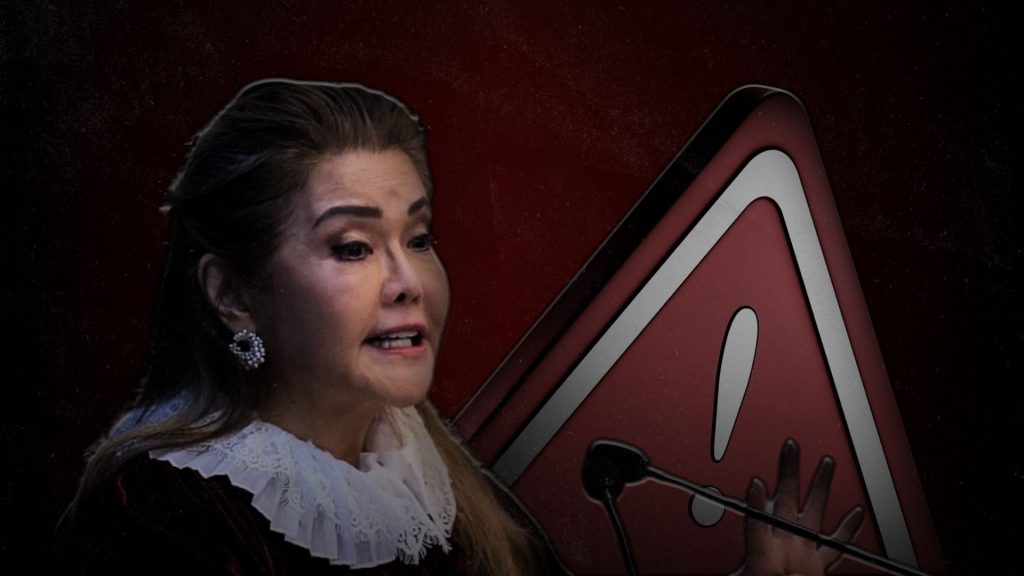
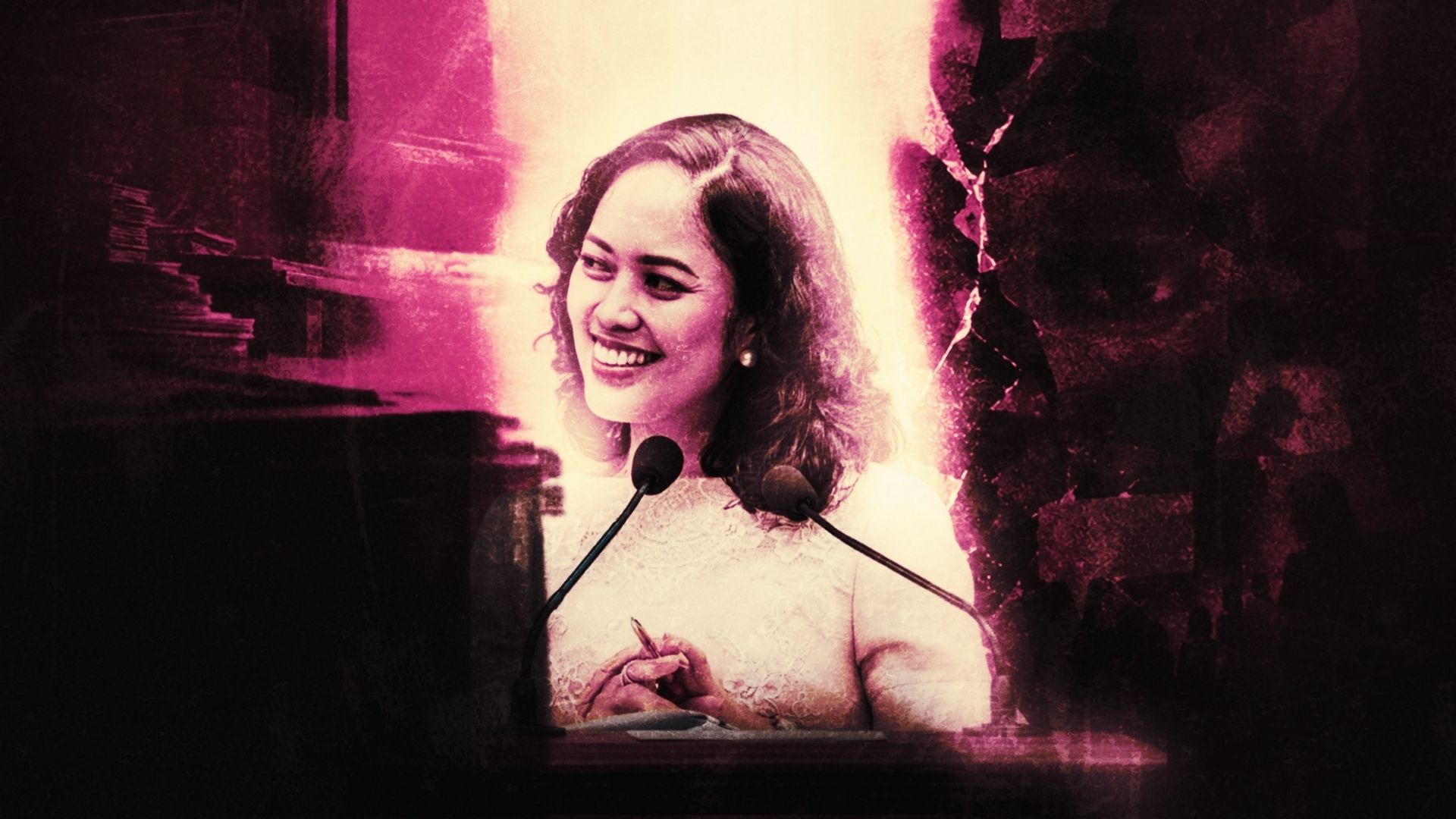
Shortly after the 30th day of Vice President Duterte’s impeachment trial, House prosecutor and San Juan Representative Ysabel Zamora was subjected to misogynistic remarks online after a clip of her directly examining witness P/Maj. Jerikson Sangalang, chief of the Records Division of the Philippine National Police Firearms and Explosives Office, gained traction. The subject of controversy, however, was not her questions, nor her way of probing–it was instead her delivery that was labeled “seductive” and “flirtatious,” making people pay attention to her rather than what was revealed during the examination.
Aside from the number of guns possessed by Duterte and her husband, one point of interest during the said examination was the Vice President’s failure to indicate the said firearms in her Statement of Assets, Liabilities, and Net Worth (SALN). While senator-judges questioned the necessity of having them declared, private prosecutor Attorney Lorna Kapunan argued in an interview with Rappler that this might be connected to a pattern on the part of Duterte hiding her wealth.
Yet instead of creating a meaningful discussion on what the examination could reveal, much of the public’s attention was once again diverted to the woman asking the questions. A potentially significant point became secondary to how Zamora delivered them–diminishing a woman to a sexualized object when there was nothing inherently sexual about the situation in the first place.
According to the Center for American Women and Politics (CAWP), sexualization and the objectification of women are among the ways women in politics are devalued and undermined. Studies have likewise documented how these attacks can be used to delegitimize women as political actors, particularly when their competence and authority are challenged through their gender, appearance, or sexuality. This pattern is hardly unfamiliar in the Philippines.
For instance, who could ever forget the gendered attacks toward Mamamayang Liberal (ML) Representative Leila de Lima, that started during the Duterte regime in 2016, with their residues still haunting the representative to this day? Amid the drug charges filed against her, public attention also focused heavily on her alleged illicit affair with a former aide leading to widespread ridicule and the use of misogynistic labels against her, like “slut.” De Lima was eventually cleared of all three drug cases.
The gendered attacks against her, however, did not simply disappear with the dismissal of the cases. De Lima eventually returned to the House of Representatives after ML secured a party-list seat in the 2025 elections.
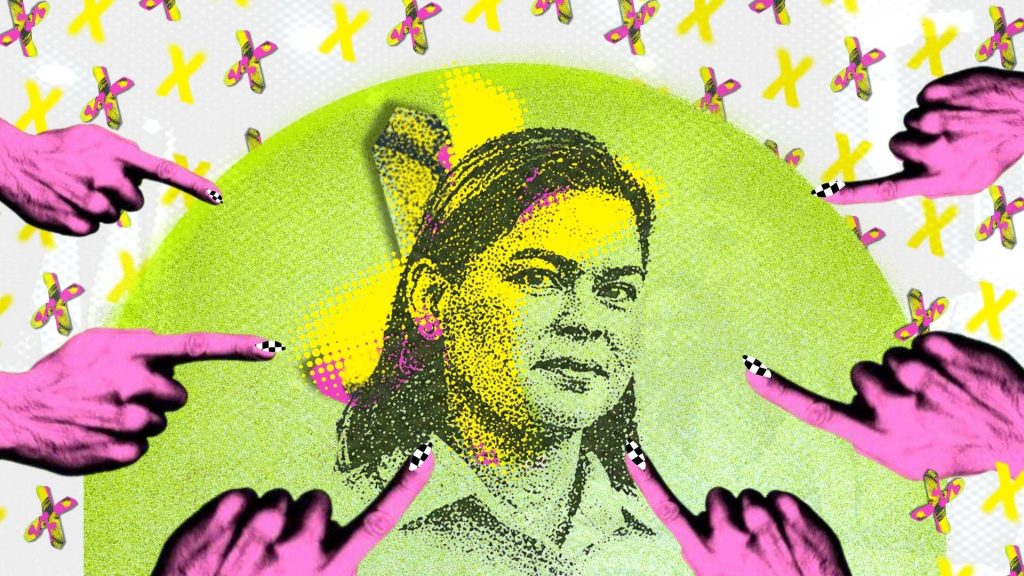
Zamora and de Lima are hardly the end of the story. Many female public figures have been subjected to multiple gendered attacks that focus on how they present themselves and their femininity instead of what they bring to the table and what they have already done to serve the Filipino people. These judgments can remain attached to their character for almost the entirety of their careers, reducing what they have worked so hard to build into mere gossip or spectacle.
They can be the smartest woman in the room, yet still be deemed less worthy of respect than an average man simply because they were perceived as too “feminine” or “flirty”.
This, perhaps, is the double standard that a deeply patriarchal society continues to normalize, because women may be allowed into positions of power, but they are not always afforded the same freedom to exercise that power as men are.
Male authority figures also possess these quirks, much like how Zamora presented hers. They have their own vocal mannerisms, different ways of pronouncing words, and ways of carrying themselves that become recognizable parts of their public personas. Some even smile as often as Rep. Zamora did during that examination, yet none of these mannerisms automatically become grounds to question their character or credibility. They are not called “sluts”, nor are they dragged through the dirt as though they have committed some unforgivable offense.
Instead, these quirks became part of their appeal. They are praised, gushed over on the internet, and were subjected to multiple Tiktok edits reposted thousands of times. It didn’t undermine their credibility, it instead added to their “charismatic” personality.
Take Sebastian Duterte, brother of the Vice President, who took the witness stand a day after the examination conducted by Zamora. His entrance alone to the plenary halls earned him multiple edits, with some likening him to a “mafia boss”. He spoke in a distinct way, with quirks and mannerisms that have become recognizable in his family, yet these did not invite the same kind of scrutiny that Zamora’s delivery did. Instead, it was deemed attractive and charismatic–adding into his already “brooding personality.”
Why is a man’s personality allowed to become part of his charm, while a woman’s personality can become evidence against her credibility?
Women can never be competent enough because even then, society will still probe and demand for more from them before they are deemed worthy of an ounce of respect. They have to prove that they are competent, but not too arrogant, or they will be called prideful or egotistical. They have to be expressive, but not too emotional, because then their emotions may supposedly affect their decision-making, and consequently, harm the country. They need to be attractive enough to be “pleasant to look at”, but not to the point that they are perceived as seductive–because apparently, that becomes their fault, too.
There is no middle ground. There is no winning. Being a woman can never seem to be enough.
Perhaps the problem is not that women have yet to prove themselves enough. Perhaps the problem is how long we have long normalized scrutinizing women, not only in politics, but in every space they occupy, merely because of their character quirks, so much so that we have forgotten how long it took for women to reach these positions and represent sectors that were once barely given a voice. Every time we engage with or react to posts that make fun of or ridicule women, we contribute to a culture that continues to belittle them, regardless of their competence.
Women should not have to spend their entire careers proving that they deserve the same respect already afforded to men. It is society that needs to prove that it is capable of respecting women without attaching conditions to that respect.