







Now Reading: Wake Cebuanos up when September ends
-
01
Wake Cebuanos up when September ends


We really wanted to wake up to clean air and light, but trapped between a poisonous sky and a darkened room, all that’s left is to close our eyes and beg the calendar to wake us up when September ends.
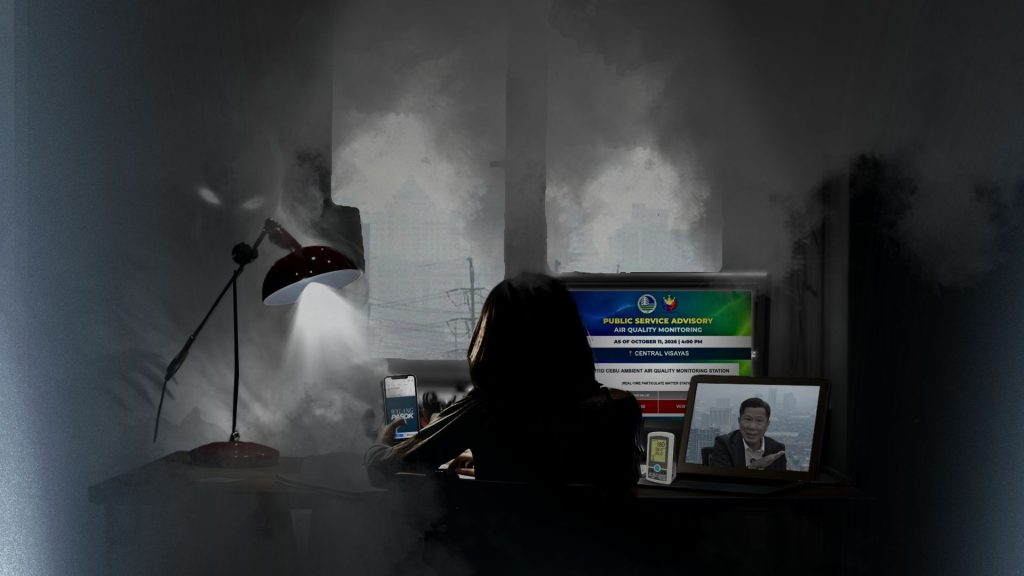
For millions of Cebuanos, this nightmare is not a distant dystopian trope; it is the daily reality of a city caught at the intersection of international environmental failure and local infrastructure decay. As transboundary agricultural smoke from Kalimantan, Indonesia, drifts across the ocean, it collides with a failing local power grid, effectively locking residents inside a high-stakes environmental trap.
Driven by seasonal habagat winds, severe transboundary haze from Indonesian forest fires has enveloped Metro Cebu, pushing PM2.5 levels to an Air Quality Index (AQI) peak of 252 deep into “Acutely Unhealthy” territory. Simultaneously, forced power plant outages cut nearly 800 megawatts off the Visayas grid, prompting the National Grid Corporation of the Philippines (NGCP) to issue Red Alerts and leaving residents trapped in multi-hour blackouts amidst stagnant, toxic heat.
Cebu’s double crisis exposes a government caught unprepared, enforcing rules that make no sense. By forcing college students into blacked-out classrooms amidst toxic haze while younger pupils stay safe at home, leadership is sacrificing young adults on the altar of economic convenience, managing the symptoms of a crisis rather than protecting its people.
Air quality monitors across Metro Cebu have recorded PM2.5 AIQ peaks hovering between 158 and 252 levels, at which fine particulate matter penetrates deep into lung tissue and enters the bloodstream. Standard public health protocol dictates sealing windows and utilizing air filtration.
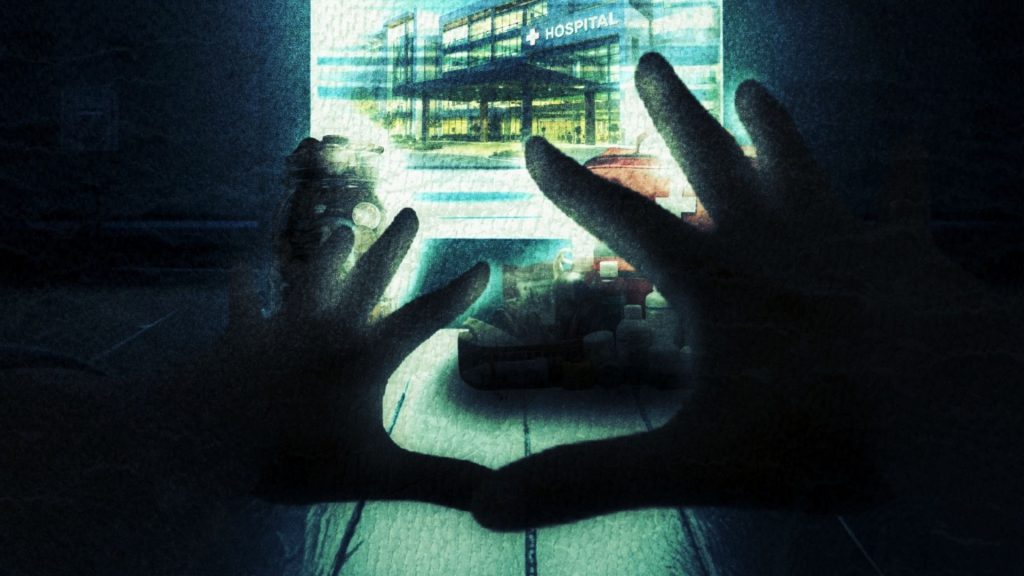
Yet, with regional power deficits triggering rotational brownouts lasting 2.5 hours or longer, keeping windows shut transforms homes into thermal pressure cookers. Opening them invites acute respiratory hazards. Dedicated hospital lanes for gasping patients and face masks inside our homes don’t show a city managing a crisis; they prove a city has run out of safe places to hide.
In response to the health emergency, Cebu City Mayor Nestor Archival ordered the suspension of face-to-face classes for K-12 students. However, tertiary and college students were explicitly excluded. The official rationale relies on the premise that younger children are biologically more vulnerable to airborne pollutants. While physiologically true, this policy completely ignores the logistical and environmental reality faced by university students.
College students still have to navigate toxic streets and sweat through lectures in pitch-black classrooms. Forcing them into the smog just because they aren’t children anymore relies on a dangerous lie: that turning eighteen magically mutates your lungs to process poisonous air.
Officials reckon college students are tough enough to suck up the smog, worrying that class suspensions will mess up the workforce pipeline. Besides, local leaders say their hands are tied—they can throw you an emergency hospital lane, but they can’t fix a busted power grid, leaving you to choke on toxic air in a pitch-black room and call it resilience.
Resilience is not an acceptable substitute for health protection. A blacked-out campus lacks both basic ventilation and functional learning environments, rendering class attendance counterproductive and physically hazardous regardless of a student’s age. Worse still, while Local Government Units (LGUs) do not control monsoon winds or regional power plants, relying purely on reactive measures like selective class cancellations allows broader governance structures to dodge accountability. Meanwhile, local leaders manage immediate fallout, and broader regional figures like Cebu Governor Pamela Baricuatro have called emergency energy summits to confront the Visayas grid’s structural vulnerabilities. Local leadership must align with this systemic approach rather than treating university students as collateral damage in a broken system.
A city cannot claim to protect its future while demanding its youth inhale poison to keep the gears of routine turning. Patchwork class suspensions and hospital fast lanes are mere bandages on a compounding structural failure. True governance requires fortifying energy infrastructure against inevitable climate shocks and standing up for every student forced to choose between their education and their lungs.
Until regional leadership builds a resilient power grid and demands international accountability for transboundary pollution, Cebuanos will remain trapped in this thermal and toxic vice.
We shouldn’t have to cross our fingers and wait for foreign winds to clear our air or for the grid to magically fix itself. Survival shouldn’t be a test of how much toxic smog your lungs can swallow before you collapse in a pitch-black classroom.
September will end, sure—but unless we demand real fixes instead of excuses, we’ll be coughing through the exact same blackouts next month.