
Now Reading: A Mirror for the Girl I Once Was
-
01
A Mirror for the Girl I Once Was

I have always believed that the people we meet in the present are never exactly the same people they were in the past, nor the same people they will become in the future. As a college student studying psychology, I learned early on that the brain is not static—it reshapes itself constantly, molded by experiences, environments, exhaustion, and hope.
Change, in theory, is natural. Expected. Almost comforting.
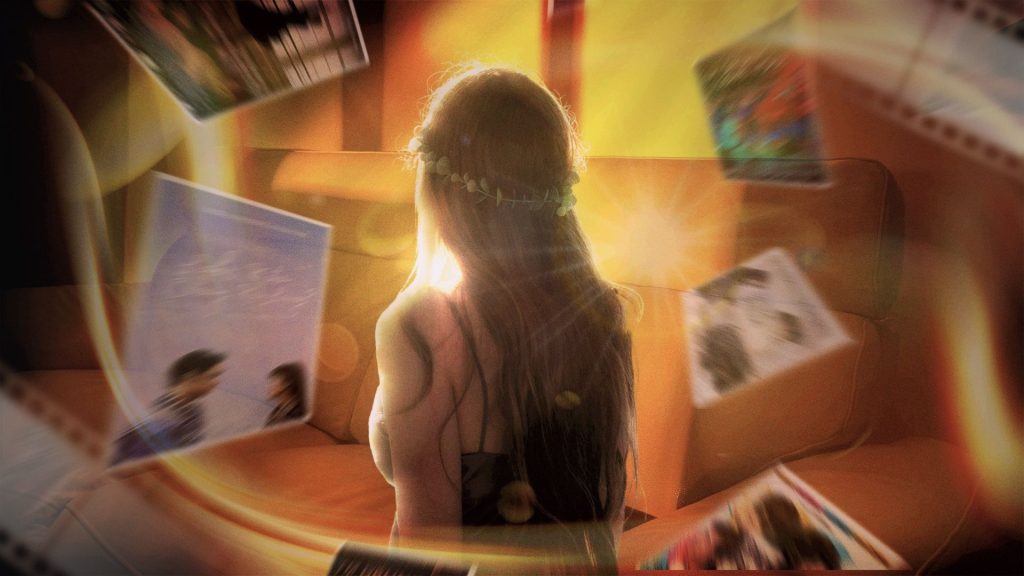
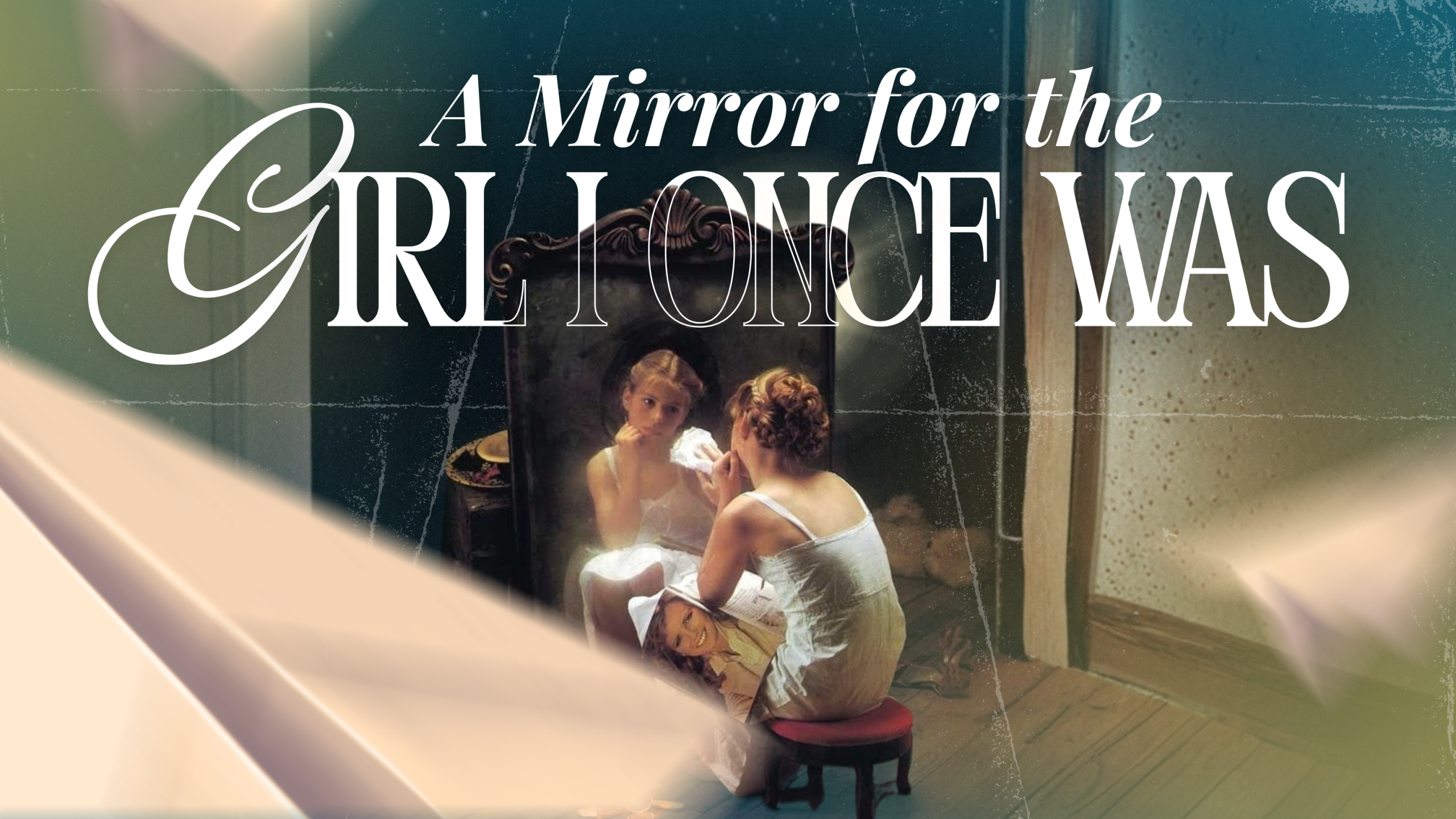
And yet, there are nights when I stand in front of the face mirror I bought from a random store—cheap glass, thin frame—and I stare at myself as if I am waiting for the reflection to explain what exactly has shifted. I tilt my head, trace the familiar lines of my face, and wonder what has changed from the girl I once was in junior high school, seven or eight years ago. Not just in the way I look, but in the way I endure.
Back then, I was younger, smaller, dressed in uniform, and constantly under the sun. I was innocent of how heavy life could feel. I did not yet resent the two-hour commute from Bulacan to my public secondary high school in Quezon City.
I did not count fatigue the way I do now.
Classes ran continuously from six in the morning until twelve-thirty in the afternoon. Eight to nine subjects every single day. Eight to nine notebooks filled with handwritten notes. Eight to nine sets of homework, quizzes, long exams, and performance tasks that demanded to be finished no matter how tired we were.
I woke up at three in the morning to get ready. I came home at seven in the evening, long after the sky had darkened, because of face-to-face meetings with classmates and extracurriculars that filled every remaining pocket of time. Campus journalism trainings. Outside practices for speech choirs. Theater plays. Nutrition Month performances. Jingles. Folk dances. Cheerdance. And still—somehow—I felt alive.
At home, instead of collapsing, I daydreamed. I imagined the future version of myself I was so sure I would become.
I was always that kid trying to prove herself to the world. The one who raised her hand too often. The one who wanted her name attached to everything—to every contest, every title, every opportunity she could reach. I wanted to try everything, even when I was scared, even when I was unsure, because rest felt like a luxury I could not afford.
I was that tall morena girl quietly dreaming of change, eagerly waiting for the turning of chapters in her life, convinced that something better was always just one page away. I found my refuge in words—scribbling thoughts onto paper, pouring emotions into essays, losing myself in stories. I was shamelessly delusional, imagining myself stepping into the lives of fictional characters from the Wattpad books I collected and obsessively eyed in bookstores and online shops every week.
Despite the pile of homework and the constant pressure to perform, I still found space for small, human softness. I liked a classmate—cute, tall, handsome—the kind of liking that stayed hidden in stolen glances from the corners of the room. It was quiet and harmless and thrilling in the way only teenage feelings can be.
And now, here I am.
I still study. I still perform. I still show up, still lead, still try to be present—almost twenty-four hours a day.
My mind no longer knows how to rest against an empty wall for even ten minutes without wandering somewhere else. It drifts into the world of academics, the world of extracurriculars, the world of responsibilities that my young adult self is still learning how to hold without dropping pieces of herself along the way.
I still commute, but not every day anymore. Sometimes it is weekly—from Manila, where I study and struggle and survive, to Bulacan, where my family is, where home still means rest without guilt. Where rest does not feel like something I need to justify.
But there are months when I do not come home at all.
Months when the house that raised my high school self feels distant, not because it disappeared, but because my college self—now navigating the world alone, now more careful in choosing people, now more conscious of time she can never get back—has grown too tired. A tiredness that sleep cannot cure.
I still carry readings, deadlines, and responsibilities that never seem to end. But now, my eyes strain not only from exhaustion, but from tears. Tears for a self that is getting older. For a self learning how heavy responsibility can be. For a self slowly drifting farther from home, from family, from the safety of being taken care of.
I wake up early—sometimes at five in the morning—yet my body protests as if I have already lived several lifetimes.
And I wonder how the same girl who once survived eight to nine subjects every day, endless practices, long commutes, late nights reviewing, and even finishing a Wattpad story before sleeping could now feel so easily drained.
I miss that stamina.
I miss that fire.
But maybe what aches the most is not the loss of energy—it is the realization that the girl I used to believe exhaustion was temporary and dreams were permanent. Somewhere along the way, survival quietly replaced ambition, and rest became something to negotiate rather than something freely given.
Still, when I look closely into the mirror, I try to remember that change does not always mean loss. Sometimes it means learning a different way to exist.
The girl I once was carried more than she ever knew—long days, heavy bags, restless dreams—and she carried them with a kind of faith I am still trying to relearn. Perhaps she gave everything she had so that I could arrive here, standing, breathing, continuing, even when tired.
This mirror, then, is not meant to mourn her disappearance. It is meant to honor her.
It is for the girl who woke up before dawn and came home after dark, who endured without questioning how much strength she had left. For the girl who believed exhaustion would pass and dreams would wait patiently for her to return. For the girl who did not yet know how heavy responsibility could become, but walked forward anyway.
I do not look into the mirror to ask where she went. I look to tell her that I am still here because of her. That even if I move slower now, even if my fire burns quieter, I carry her persistence in every step I take.
And maybe nostalgia is not a desire to go back, but a promise—to keep living in a way that does not betray the girl I once was.