





Now Reading: Are you gonna follow these beliefs on your wedding day?
-
01
Are you gonna follow these beliefs on your wedding day?

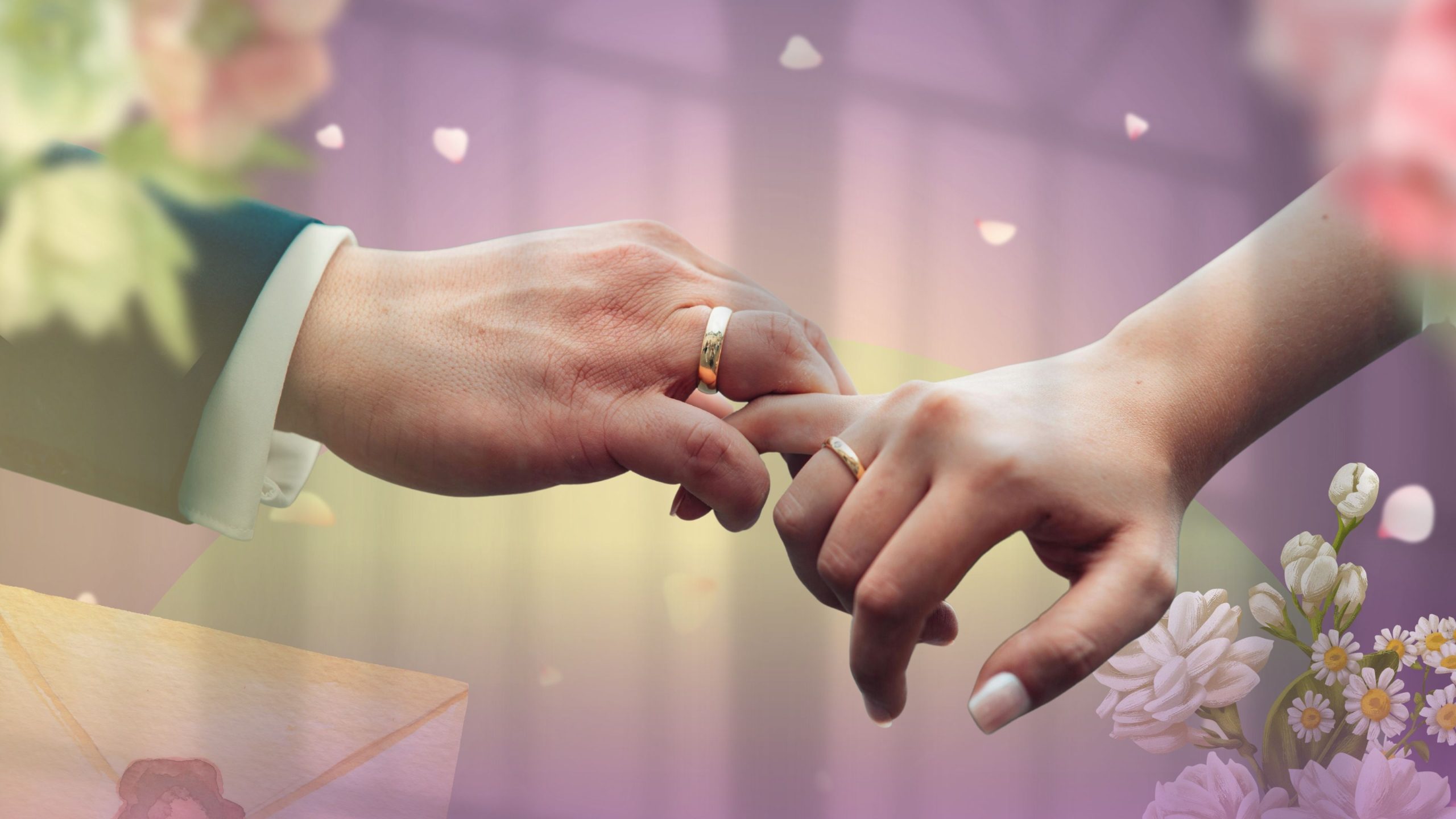
Wedding bells seem to ring louder as June arrives across the Philippines. For many Filipinos, the sixth month of the year is considered one of the luckiest times to begin married life, allowing June to quietly earn its place as the country’s symbolic “wedding month.”
Named after Juno, the Roman goddess of marriage and childbirth, June has long been associated with love and new beginnings.
While the origins of the June bride tradition can be traced back to ancient Rome, marriage in the Philippines is shaped much closer to Filipino values and culture. Beyond months of planning for their happily ever after, Filipino weddings are often woven with traditions and superstitions passed down through generations.
Among the most common superstitions that still continue in Filipino weddings in this age of modern romance are these beliefs, passed down from one generation to another.
Not seeing each other before the wedding started
If you grew up watching Filipino movies or teleseryes, you have probably seen some couples carefully avoiding each other until the church door opens. Many Filipinos believe that saving the first look for the altar will keep the bad luck away.
Trying on the complete attire
This reminder often passed down by mothers or grandmothers warns against wearing the entire outfit of the couple before the big day. An unzipped gown is said to be forgiven, but wearing everything at once is said to bring misfortune.
Wearing pearls
Do you also think that some pearls resemble falling tears, or have you heard the old belief that they are the tears of the gods? Whatever the origin, many have grown up hearing warnings against wearing pearls on the wedding day. Despite its elegance, these types of accessories are often avoided by someone who hopes to keep sorrow and heartbreak away.
Sukob
If you have ever attended a Filipino family gathering, you might have already heard about “sukob.” One of the most enduring wedding beliefs in the country, it holds that siblings should not marry within the same year — or that a wedding should not closely follow a death in the family — as doing so is believed to bring misfortune.
While younger generations may dismiss it as an old wives’ tale, many Filipino families still take the superstition seriously, sometimes even postponing weddings to avoid tempting fate and to ensure that blessings are not divided.
Dropping the rings
Just like the tense moments often seen or portrayed in movies, accidentally dropping the rings during the ceremony is enough to make some guests hold their breath. In Filipino culture, such a mishap is considered an unfortunate sign that may hint at challenges ahead of the newlyweds.
The groom should arrive at the wedding venue before the bride
In many Filipino weddings, the groom is expected to arrive at the church or venue ahead of the bride. More than a matter of timing, the tradition symbolizes his eagerness and readiness to welcome the woman he is about to spend his life with. For many, his early arrival also serves as a hopeful sign of marriage blessed with harmony and good fortune.
Wearing or carrying something old and something new
Brides often observe the cherished custom of wearing or carrying something old and something new on their wedding day. The old serves as a gentle reminder of treasured memories and the bonds that shaped them, while the new symbolizes fresh beginnings and the promise of a bright future as they embark on a new chapter of their lives.
Blessed by every grain
As the newlyweds step into their first moments as husband and wife, family and friends traditionally shower them with rice in a gesture steeped in blessing and goodwill. Long regarded as a symbol of abundance and fertility, the shower of grains carries heartfelt wishes for a life filled with prosperity, joy, and a love that flourishes through the years.
More than luck and beliefs
As times change and modern romance continues to evolve, these wedding traditions and superstitions remain woven into the fabric of Filipino culture. Passed down through generations, they serve as gentle reminders of the hopes, blessings, and values cherished by families long before today’s couples began writing their own love stories.
While some may view them as mere folklore, many still embrace these customs as a way of honoring the past and carrying its wisdom into the future.
Beyond lucky dates and symbolic rituals, the true foundation of a lasting marriage lies in the love, commitment, and shared dreams that two people nurture together as they begin a new chapter hand in hand.
After all, no amount of tradition can guarantee a happy marriage; the true magic only begins when the celebration ends and two people choose to love each other through thick and thin, for better or for worse.