










Now Reading: Beyond breakups and burned bridges: “hate that i made you love me” is a manifesto on reclaimed power
-
01
Beyond breakups and burned bridges: “hate that i made you love me” is a manifesto on reclaimed power
Beyond breakups and burned bridges: “hate that i made you love me” is a manifesto on reclaimed power

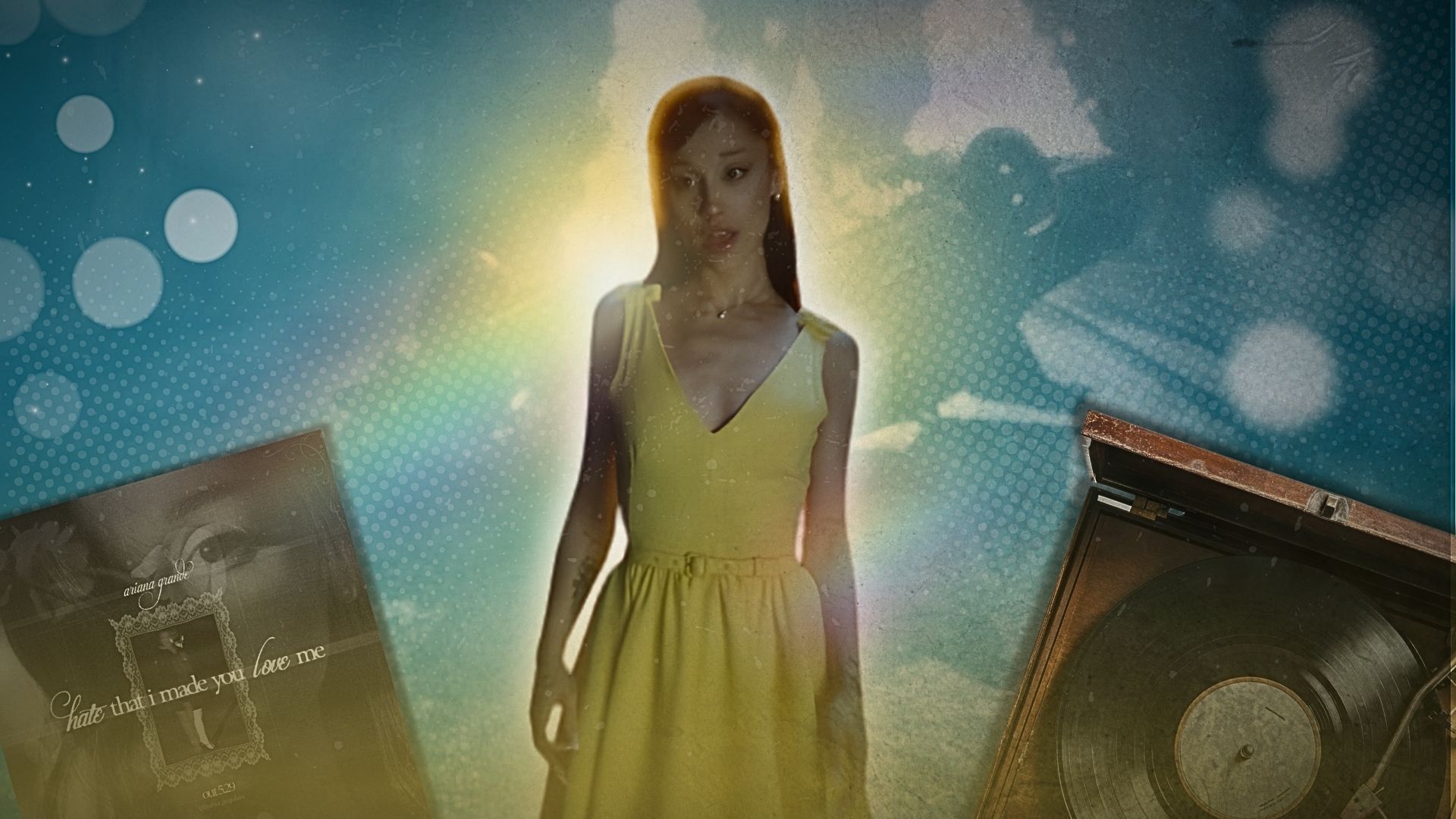
On a first listen, Ariana Grande’s new song may present itself as a bubbly, Max Martin-produced track about exes who date the idea of someone rather than who they actually are. Read between the lines, however, and you get possibly one of Ariana’s strongest anthems about media perceptions and fan projections.
Released last May 29, “hate that i made you love me” is the first single off of “petal”, the popstar’s eighth studio album. Through this hard-hitting, brutally honest track, Ari continues to challenge those who dare to define her, while her low, honey-like vocals steer her climb atop the charts — proving all-the-more her excellence in delivering singles with substance.
Differing definitions
For some listeners, “hate that i made you love me” may come off as a classic breakup hit, with an emphasis on the exhaustion from a lover that curates affection. When someone chooses to selectively love someone else’s qualities instead of loving them whole, they build a false idea of who they are dating, leading to overinflated expectations. The chorus of the song highlights this idea well, particularly the lines “Sorry if I made me your type, Yeah, I, I hate that I made you love me.”
The single is a breath of fresh air for those who have experienced the weight of living up to a surgically manufactured, pedestalled image of themselves. Having to live life in another’s eyes and carrying misplaced standards is akin to living a life that isn’t entirely yours, with all of your actions tailored to ensure that you appease their fantasy. For many, this comes in simple but controlling ways: dinner orders decided on your behalf, insisting that you change your clothes to something more appropriate, and loads of made-up rules and demands.
For Ariana herself, the stakes are infinitely higher. While the average listener may apply these lyrics to a toxic relationship, the songwriter has a much wider audience to worry about, having been placed under the public’s eye ever since she rose to fame at 16 years old. In Grande’s case, she isn’t just one person’s concern, everyone, from fans, media, to haters, has some kind of projection about her.
This is where the single’s message massively shifts. Rather than talking about a controlling ex, she is talking to us — the consumers of her music.
Tabloids and netizens labelled her as a homewrecker when news of her relationship with Ethan Slater went around, with unfound rumors spreading a narrative that she caused Slater’s former marriage to end. During Wicked’s filming, fans and long-time supporters rampantly dissected her body weight and features, comparing it to old images and raising judgments dressed up as concerns. Criticizers were quick to capitalize, even in Ariana’s most challenging times, by calling her cowardly after leaving the UK to be with her family in the aftermath of the Manchester Arena tragedy (which she effectively shut up by returning less than two weeks later to visit the hospitalized victims, when she then raised £17 million in her benefit concert to help the families of the wounded).
All her life, Ariana had to face heightened expectations, overbearing fans, and media outlets hyperfocused on her every move, all to sate the idea of the perfect pop girl that the public conscience has manufactured. Her latest single, then, is her declaration that she is more than what these people think of her.
To reclaim life
The bridge of “hate that i made you love me” makes its message crystal clear.
I’ve held your projections when you’ve felt so insecure
Tell me, why is it this way?
Why you so hate to see women endure?
Is it really my fault you all gave me your hearts of your own accord?
By directly addressing the projections that cast an eclipse on Ariana’s character, she is fighting against the idea that her authenticity can be overwritten by those who cannot even afford to listen to her whole story. This way, she denies those who try to hold power over her — trashy tabloid and controversy-crazed critics.
The songwriter further expands the scope of her message to the women in similar industries facing such problems also. Pop artists and actors alike, no matter how fervently praised, are also the ones most deeply dissected in the arena of comment sections and online forums. By writing a song that not only addresses this issue but also fights against it through lyrical commentary, she effectively recoups the narrative that many people have marred.
Ultimately, “hate that i made you love me” holds the same core message for the artist and the audience. You must reclaim the power that others have tried to take from you, and live your truth despite the scrutiny you may face from it. And if this chart-topping single doesn’t convince you of this narrative, allow Ariana to absolutely sweep you with the rest of the songs in her upcoming album.