




Now Reading: Does activism really equate to terrorism?
-
01
Does activism really equate to terrorism?

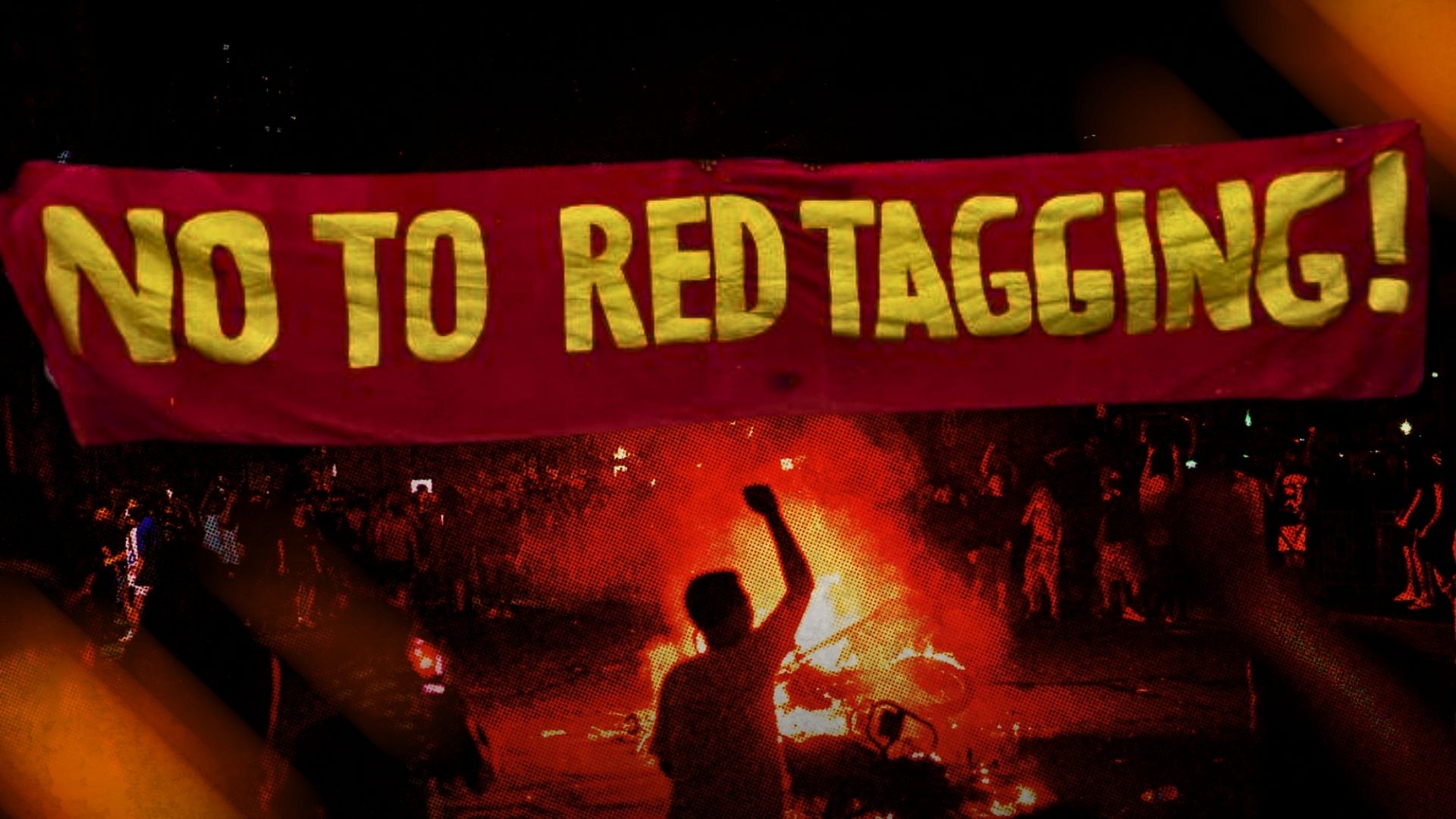
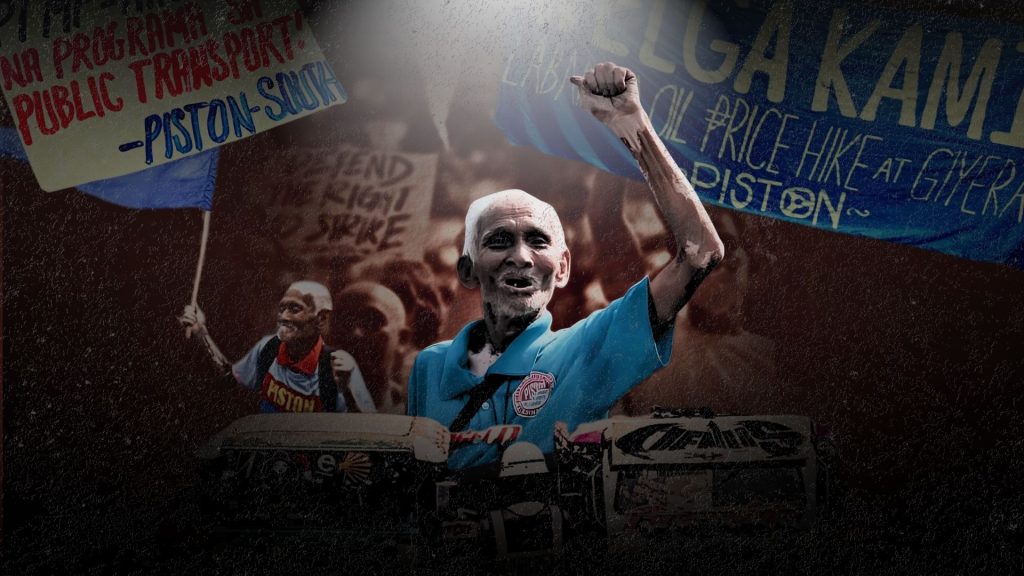
Amidst holding a shorter time in the world, the youth continue to fight for the truth. They may not have as many callouses as the preceding generations, but their voices still ring high in the face of our country’s commotion. As their words seep through crowds or social pages, they remain steadfast in pulling out injustices from the pits of stagnation.
In continuing to give voices to the silenced, there persist the authorities who may wrongly put these youths into the same pit. Instead of combating corruption, they become part of the casualties.
Tagged Timeline
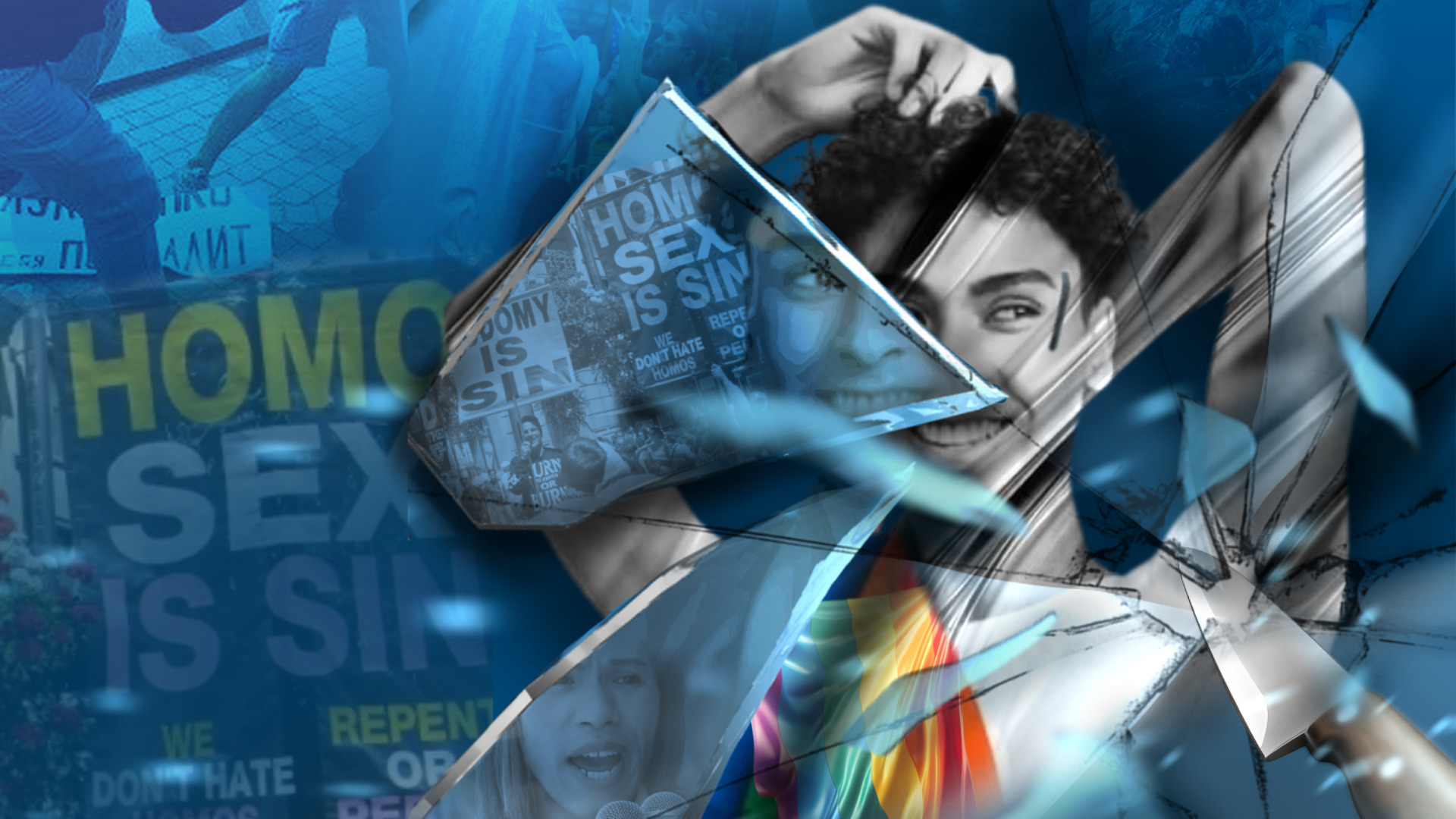
Last May 27, 2026, officials of the PNP Cateel Municipal Police Station posted a list of “Active Wanted Persons” through their Facebook page. The said list pinpoints student leaders from the University of the Philippines (UP) Mindanao and youth activists around the Southern Mindanao region.
Although the post has now been deleted, these names still hold a weight that they must not bear as active patrons of their fields. The pens that the journalists hold turn into thorns that prick with each grip, and the megaphones that these leaders cling to now echo silence.
Safety Scarcity
With each letter of their names encoded into an abrupt listing, their safety also inches away from guarantee. According to the Global Land Governance Index, red-tagging or public defamation was present in 49.5% (57 out of 115) of documented murder cases of land and environmental defenders. This only puts the youth into peril just for speaking their cause.
As their protection starts to come head-to-head with insecurity, they start to retreat from their advocacies in the interest of their safety. On the other end of global numbers, the United Nations Office of the High Commissioner for Human Rights (OHCHR) documented that between 2015 and 2019, at least 248 human rights and environmental defenders were murdered in the Philippines, where the majority of these victims were frequently red-tagged before their deaths.
Future Flatlining
As future nationbuilders, their current commitments as journalists and campus leaders are not the only tarnished — their progressive duty to become contributing citizens is also overthrown. Before, they could fully step into professions that could help communities; now, they are being labeled into something that can impact their character and mentality. Instead of striving for growth, they get pushed into situations where they have to defend themselves.
Davao City is known as one of the safest cities in the country, yet countless attacks on journalists occur in subtle ways. In the previous year, the Ateneo de Davao University’s University President, Fr. Karel S. San Juan, SJ, issued a statement condemning any red-tagging of journalists in the institution in response to the harassment brought by Duterte fans. Adding on, the well-known shutdown of Primum, the official publication of the University of Mindanao, was caused by an article tackling the Marcos and Duterte families. This incident paints a perfect picture of silencing behind the curtains.
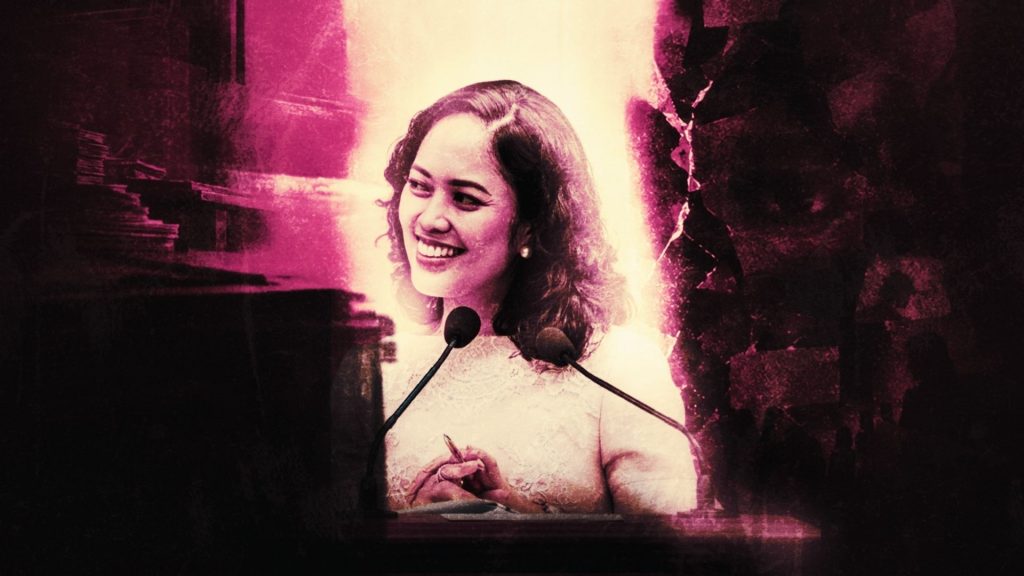
Back in April 2002, Benjaline “Beng” Hernandez, a 22-year-old activist and journalist from Ateneo de Davao University, was brutally killed while awaiting lunch in a hut. Beng becomes a pen that is thrown away, even if she still has lots of ink in her mind’s cartridge.
This irony shows how even being one of the safest cities in the country cannot be safe for individuals who help shape our future.
Voicing Magnitudes
In a time of fast-paced travel of information, the youth actively pass through each groove of the internet and their circles of influence to amplify facts and questions. Through clicks on digital publications and timely campaigns, their voices should be well-heard without any barrier.
Partaking in rallies and activism is not rooted in terrorism but rather in addressing nationwide problems. “Every ink that you bleed carries the weight of truth and power— it cannot be silenced, it will be loud and persist to endure,” aired Michael John Ante, the outgoing Editor-in-Chief of Primum, on his social media platform on the suppression.
The right to speak is not a threat — rather a foundation of true democracy that this country needs. Based on the Article III of the 1987 Philippine Constitution, it protects individuals against government abuse and ensures civil and and political rights. This also includes freedom of speech and freedom of press.
Authorities must not criminalize those who speak up. Demanding solutions should not be a sign that you oppose those who run the country — rather, it must be a precursor to a recognition of needed improvement. In the case of these Davaoeño journalists, the local government should be able to protect its citizens from malicious comments.
Speaking up for truth and justice must always prevail because not all forms of activism is terrorism.