





Now Reading: In the Philippines, even sleep has a price tag
-
01
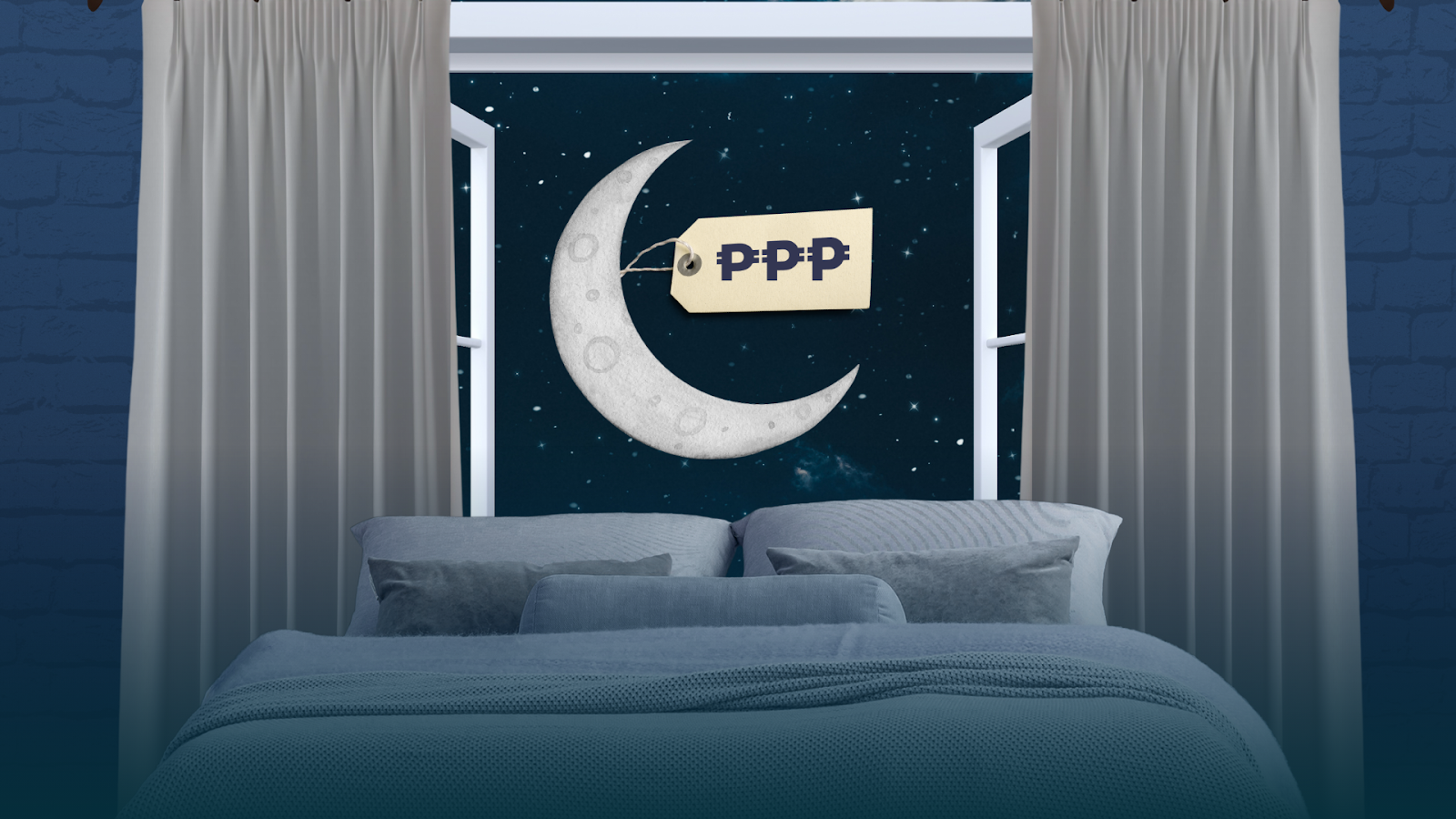
In the Philippines, even sleep has a price tag

Francine Tosoc
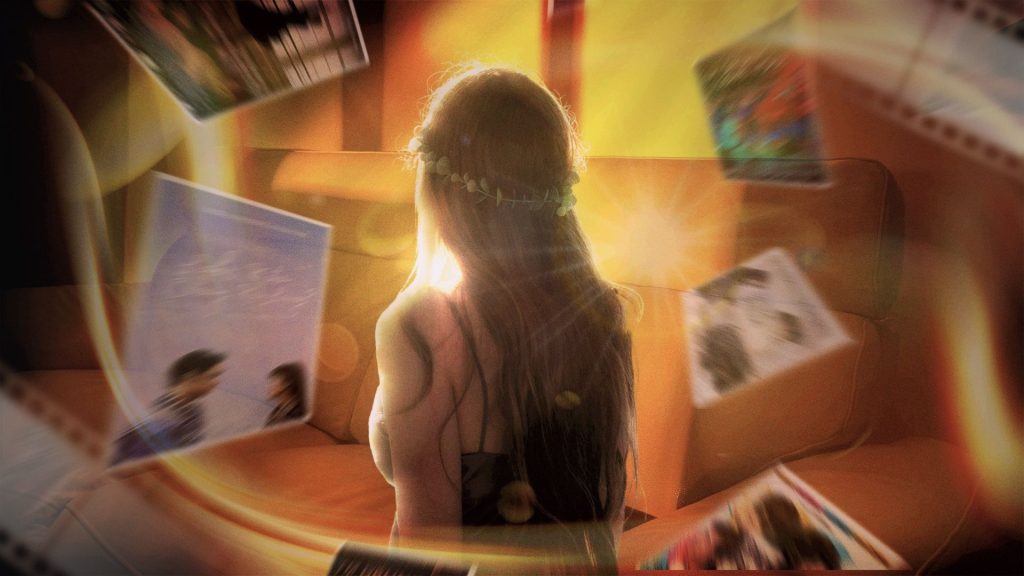
“Sometimes I wonder, if I had the privilege enough to focus only on my studies, would I finally get to enjoy a full 8 hours of sleep without worrying about my tomorrow?” – MJ, 19, currently a second-year working student.
For many, sleep is a basic necessity that has always been part of their routine, and it means resting their physical state. But for Filipinos like MJ who are juggling work, school, and bills, it has become a privilege.
And while it does feel like a luxury to have, the question is, what are we actually missing out on— and why do experts say it’s as essential as food and water?
After all, how can we measure what’s missing if we don’t know its real value?
How do you define ‘sleep’?
Sleep is more than just closing your eyes; it’s a biological process that helps you process new information effectively, stay healthy, ward off diseases, and recharge your body. In short, the quality of your sleep determines how you’ll function when you’re awake.
The National Sleep Foundation says the average sleeping hours for teenagers (14-17 years) should be around 8 to 10 hours of nightly sleep; meanwhile, adults (18-64 years) need 7 to 9 hours of sleep to have not only their brain, but also their body to function well, rested, and repaired.
“The fact is, when we look at well-rested people, they’re operating at a different level than people trying to get by on 1 or 2 hours less nightly sleep,” says Dr. Merrill Mitler, a sleep expert and neuroscientist at News In Health.
However, the troubling part is that this average sleep duration is too expensive for many Filipinos, and they can barely afford it. For privileged groups, sleep is routine. For working students like MJ, it’s conditional.
“On a typical day, since I have both academic and personal responsibilities, I usually get about 3 to 5 hours of sleep. But if my schedule isn’t too tight, or when I’m on my days off, I can manage around 6 to 8 hours of rest.”
When the Australian mattress brand Onebed conducted a study on countries with the worst sleep habits, the Philippines ranked third, averaging only 6.13 hours of sleep per night, far from what sleep experts recommend.
We know what’s recommended, yet reality paints a different picture. For most Filipinos, it isn’t as simple as just “going to bed earlier.” The bigger question now is: what exactly keeps us awake at night?
Why does sleep slip away?
Restless hustle culture
Filipinos often glorify overworking, wherein employed people display eye bags as if they carry how hard they’ve worked. However, the reality is that long shifts and unpaid overtime often keep sleep out of reach. The result? Sleep becomes a negotiable commodity– something to sacrifice in the name of productivity and survival.
Graveyard Shift Dilemma
On top of the usual long hours, thousands of Filipinos work during the night, especially in the BPO industry, which has over 1.3 million workers nationwide. While the “mga bayaning puyat” are keeping the economy running, they also flip their natural body clocks upside down.
This culture has been a bigger burden to carry for working students like MJ.
Her working hours start at 9:15 PM and end at 6:15 AM. After spending a total of eight hours at work, she’ll head straight to class.
“After my 8 hours working… It’s actually just the start of my day as a student.”
Commute that steals time
Many commuters– especially those in Metro Manila– consider commuting more than just a hassle, but rather a daily drain that robs them of precious rest. Long hours spent in traffic or squeezed inside crowded trains quietly steal the hours meant for rest. For the average worker, hundreds of hours disappear on the road each year, time that could have been for sleep but instead is surrendered to the daily grind of city life.
Financial stress and side hustles
With the current economic state, where everything keeps rising, the constant worry about money adds another layer of restlessness. A study conducted by Deloitte shows that 71% Millennials and 67% Gen Zs have taken additional side jobs to make ends meet. As bills don’t sleep, neither do they.
Sleepless digital lifestyle
Having the Fear of Missing Out (FOMO), Filipinos often find themselves scrolling through TikTok, replying to group chats at midnight, or bingeing a new series, making it almost impossible to rest their eyes from the blue light emitted from gadgets.
The thing is, since these lights are often from the sun, when exposed to it during nighttime, it tricks the brain into thinking it’s still daytime, suppressing the body’s release of melatonin.
Living conditions
To afford a peaceful rest, your living condition plays a key role too. Many Filipinos, especially those from lower-income sectors, often suffer from tropical heat and power outages, and an area where sleep can be easily disrupted by barking dogs or traffic just outside their windows.
And the irony? These are the very people who need quality sleep the most. Often engaged in physically demanding labor, they carry the heaviest loads—yet remain the ones who can’t afford the simple privilege of a good night’s sleep.
The Hidden Costs of Sleeplessness
When the Body Starts to Break Down
The cost of sleeplessness is more than just yawns and eye bags; it takes a toll on both body and mind. For working students like MJ, the effects are felt almost immediately.
“Whenever I go to work or school without enough rest, it feels like I’m just floating through the day,” she shares.
At work, her energy is drained from handling back-to-back calls, while in school, the battle against drowsiness often leaves her struggling to keep up. Physically, the signs of exhaustion are just as clear. Headaches, body aches, and skin breakouts are common side effects she endures after running on only three to five hours of rest.
For many Filipinos, especially those in shift-based industries, this cycle of exhaustion becomes an unending reality.
When Goals Slip Through Tired Hands
When you’re sleep deprived, you perform less than you normally do, too. Like a domino effect, it will also damage your goal. Whether it be to climb the career ladder or graduate top of your class.
Starting from poor concentration, missed classes, absenteeism, and lack of productivity– it all goes down by sacrificing something important to you. And for MJ’s case, it’s the shot at the Dean’s List that she had to drop because her body couldn’t keep up with working and studying at the same time.
Loneliness in the hustle
For many Filipinos, the absence of rest reduces life to a cycle of pure survival: work, school, commute, sleep—then repeat. The little energy left is rarely enough to nurture connections with family and friends, leaving guilt, isolation, and unspoken distance in its place.
In this silence, emotional health quietly erodes. The question remains: must rest always be the sacrifice for hard work? If the impacts are this damaging to health, learning, careers, and relationships, then the conversation must shift toward finding ways, big or small, to reclaim rest.
This leads us to the next question: in a culture that never sleeps, how can Filipinos like MJ pause?
Finding pauses in a 24/7 nation
Sleep was never meant to be a luxury item. It is as natural as breathing, as necessary as food and water, yet in today’s restless culture, it has become a currency that only the privileged can afford to spend freely. For many Filipinos, rest is not part of the routine but something to be bargained with in exchange for tuition, bills, or survival itself.
Sleep was never meant to be a luxury item. It is as natural as breathing and as necessary as food and water, yet in today’s restless culture, it has become a currency that only the privileged can afford to spend freely. For many Filipinos, rest is not part of the routine but something to be bargained with in exchange for tuition, bills, or survival itself.
For MJ, sleep means one thing: pause. “For me, sleep means rest. I’ve already accepted that this routine—balancing work and school—might be my life for the next couple of years until I reach my first milestone, which is finishing my studies. With everything I need to juggle, sleep has become my way of recharging. It’s the only time I can truly pause, knowing that I still have a lot to go through and achieve.”
She agrees with the idea that sleep has become the new status symbol, something not everyone can claim. “Lack of sleep because of work and responsibilities isn’t just my experience—it also happens to many ate’s, kuya’s, breadwinners, or parents who are compelled to hustle 24/7 to support their needs. Sometimes I wonder, if I had enough privilege to focus only on my studies, would I finally get to enjoy a full 8 hours of sleep without worrying about my tomorrow? ”
Her wonder is not just her own; it belongs to millions of Filipinos who lie awake, not because they choose to, but because they must. Perhaps the true measure of progress isn’t in how much we can endure, but in whether every Filipino can finally close their eyes at night without guilt, without fear, and without sacrifice. Until then, we remain a nation of dreamers—awake, striving, and surviving, yet still chasing the simplest dream of all: a full night’s sleep.