









Now Reading: Shaping young minds to be truthful
-
01
Shaping young minds to be truthful


Geelyn Avanceña
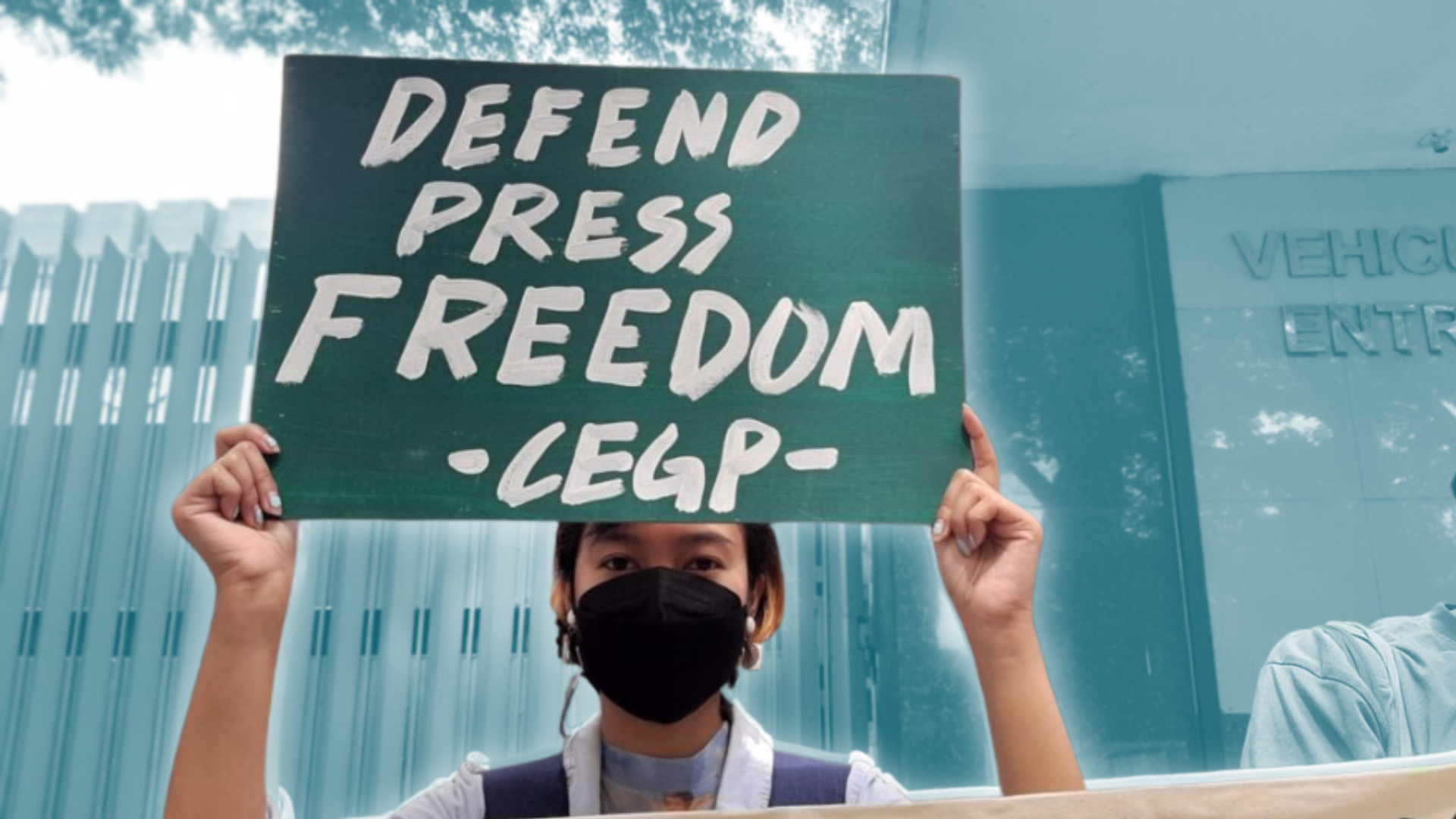
“Defend campus press freedom!”
Pure passion, pang-contest lang, and just another school organization to be a part of — these are some of the misconceptions surrounding school publications, particularly from those who are in the secondary level.
Campus journalism in the Philippines has been training media practitioners of the newer generations over the years to become media literate and to spread truth beyond the four walls of the classroom, and yet, there are times when the student journalists’ efforts are still under-appreciated by those around them despite the sleepless nights dedicated to trainings, covering and publishing school-wide articles.
Despite the misconceptions, a lot of changes were presented over time, which inspired student journalists to continue their work, and students still continued to foster relationships with each other through campus journalism. This led to the rise of youth-led journalism organizations nationwide. While most of the members work remotely through social media platforms, some are also becoming capable of releasing on-the-ground stories from time to time with the help of technology, while keeping themselves grounded by the goal of serving truth and amplifying voices.
What Philippine campus journalism has been
Campus journalists’ first exposure ins and outs of journalism is through school press conferences on divisional, regional, and even national levels. For elementary school students, all they know is the possibility of campus journalism being just another extracurricular activity for them to join, for the most part. However, this experience changes once they step into a higher level of learning. While the heart of a campus journalist remains, their knowledge gets topped up with things that happen beyond the competitions.
The existence of official school publications, social media platforms, on-the-ground stories inside the campus grounds, and the annual release of articles through school newspapers — while these things might have been an overwhelming discovery to newcomers, these made up the succeeding years of campus journalism. Newer categories such as Online Desktop Publishing and Mobile Journalism were also introduced, which not only gives students a chance to utilize technology in the field, but also enhances their journalistic skills in a wider setting.
Still, all changes eventually come with their downsides, albeit being a milestone in campus journalism.
Inside the four walls of the classroom, some students feel like they are prioritized by the school the least, with no consideration or exemptions for some missed school activities for representing their schools, limited resources allotted for school publications, and the like. Outside the campus grounds, Filipino journalists as young as high school and college students are being red-tagged for speaking the truth and questioning the status quo. Through the gates of different schools, however, the chances of rising to the National Schools Press Conference (NSPC) every year have slimmed through lesser numbers, making the chances to win in journalistic competition seem less accessible to the student body.
Despite the challenges presented to them, the existence of Republic Act No. 7079 continues to stand for younger journalists. With the goals of strengthening critical thinking skills and media literacy skills, RA 7079 also helps with implementing programs that improve the skills needed by campus journalists through the presence of the student body and school paper advisers guiding them.
Rise of youth-led journalism organizations
Sure, campus journalism in the Philippines begins within school premises. Lately, though, students and advisers alike now have different platforms to disseminate the truth, even if they are miles away from each other, with the rise of online journalism platforms and organizations led by young journalists all over the country.
Youth-led journalism organizations like Explained PH — while being hit by the COVID-19 pandemic — did not stop from utilizing online platforms to break news. In fact, the organization was established at the height of the pandemic, and originally stemmed from a small number of young journalists that united over their journey to the NSPC five years ago. Through the years, Explained PH has managed to provide a bigger platform for campus journalists to amplify the voices of the masses through their community engagement and volunteer initiatives.
Despite the constant red-tagging allegations, particularly during the 2022 National Elections, their advocacy as youth journalism organizations transcended social media platforms because of the initiatives both during and before that period. Online press conferences, news coverage shared online, and teamwork that resembled school publications rose to fame when everything was halted because of the global health crisis.
Soon enough, even when the onsite school press conferences and on-the-ground coverages came back to life among Filipino students, the presence of online journalism only flourished from there.
With the existence of the SPEAK UP Facebook group as one of Explained PH’s long-term initiatives, the group has become a community where they can voice out their experiences and seek advice to improve their journalistic skills — whether to improve on their respective categories or seeking help as newbies in the field. The demand for volunteer opportunities for Explained PH have increased with the help of SPEAK UP. It is also because of this growing community that other youth-led journalism organizations have flourished. Not only has SPEAK UP become a platform for campus journalists to gather and form new connections in virtual spaces, it is also the largest campus journalism community as of the moment, with over 100,000 members on the Facebook group.
Recently, organizations such as Insight PH, Assortedge, and Informed Philippines, have made themselves known to the journalism community — initially with different fortes in journalism, but united with one goal: to amplify the voice of the masses.. Some organizations do explanatory journalism like Assortedge, while others unite through having the same category under their respective school publications.
JuanClick was also officially launched by Explained PH as another way to fight the spread of disinformation to the online spaces. This was done through the alliance of youth-led journalism organizations in the Philippines such as Informed PH, Danggit PH, Astra, The Frontman, and the like, making JuanClick the national alliance of youth-led publications in the country. Because of this, the state of Philippine campus journalism proves to transcend the familiar boundaries and practices brought by the four walls of the classroom and the school press conferences.
Their presence only proves that campus journalism in the Philippines is truly evolving. Rather than participating in news reportage just for students to add on to their credentials, campus journalism is now something where students and school paper advisers alike can further push for genuine campus press representation in the country — all by making connections with fellow young journalists and expanding journalistic experiences faster digitally.
What lies ahead for campus journalism
From participating in their respective school publications to being a part of youth-led organizations, students in the Philippines are provided various options in expounding their journalism career, even if a student’s strand or degree program sometimes do not align with press work in the future. Aside from improving their journalistic skills, they also get to apply what they have learned outside the classroom and form connections with young journalists from different regions, no matter where they stand in their publication.
Through these same organizations, new opportunities linked to campus journalism continue to emerge in the Philippines. In the future, these organizations will become a big contributor to how widely appreciated the perspective of campus journalism is today. Consistency in publishing timely and relevant stories every year is also maintained, despite the challenges faced by the Filipino student journalists inside and outside their schools.
Campus journalism is slowly being transformed into different avenues for them to serve truth to the masses, in a sense that technology and social media alike are heavily utilized to deliver stories worth inspiring the masses. Sure, these organizations — while opening a refined future to everyone through taking advantage of social media platforms to promote their advocacies to the nation — do not solely rely on monetary funds to operate as a team unlike professional media practitioners.
However, it is because of the students’ heart for volunteerism and community journalism that pushes the youthful kind of representation towards defending campus press freedom.