








Now Reading: Substack and Medium found the readers Wattpad raised and built a home for hearts seeking a new solace
-
01
Substack and Medium found the readers Wattpad raised and built a home for hearts seeking a new solace
Substack and Medium found the readers Wattpad raised and built a home for hearts seeking a new solace

Yra Felizze Barallas, Kyla Edquilane, Jullian Elemento
Were you even a young teen in the mid-2010s if you didn’t spend your nights with low-res MP3s buzzing through tangled wired earphones and the glow of your phone screen as the sole light in the room?
For a whole generation, that bright orange icon wasn’t just an app; it was a sanctuary. It was the digital soil where millions of first fictional loves took root and where heartaches felt as real as the ones in the hallway at school.
Wattpad served as a peak teenage experience, a boundless library where the barriers between readers and writers vanished. It wasn’t just about consuming stories, but was also about the communal wait for a brand-new update and the frantic scrolling through comments to see if others felt the same sting of a cliffhanger.
For those teens, it was a magical door. In that specific fabric of space and time, nothing else mattered except a fully charged device, the comforting weight of those earphones, and the escape found in between chapters. But time, as it always does, did its thing. Those once-radical years spent burrowing one’s nose into phones slowly shifted. Countless chapters finished in one sitting gave way to a mountain of urgent ringing notifications.
As life fills our plates with adult responsibilities, we are left to wonder: Did Wattpad stop being the “it” thing, or did we simply grow out of the niche it once occupied?
Wattpad in the big 2026
By 2026, Wattpad has not disappeared, but its silhouette has changed. It remains a shelf of stories for the Gen Alpha or those born from 2013 to 2025, yet for the original demographic that built its legacy, the prominence has faded.
Published in The Commonwealth Times, Maritza Baptiste wrote in her article The death of Wattpad is killing writers that her supposed trip to tickle her nostalgia in the app in hopes of finding a gem of a story turned out to be a train of unskippable ads from one chapter to another. The platform that once felt like a wild, lawless frontier of creativity now feels heavily commercialized.
While it still thrives as an IP machine for streaming services, the original users have mostly migrated. We didn’t just stop reading; we started looking for something that mirrored our maturing tastes — moving from the dopamine hit of fanfiction to the steady burn of life perspectives and professional discourse.
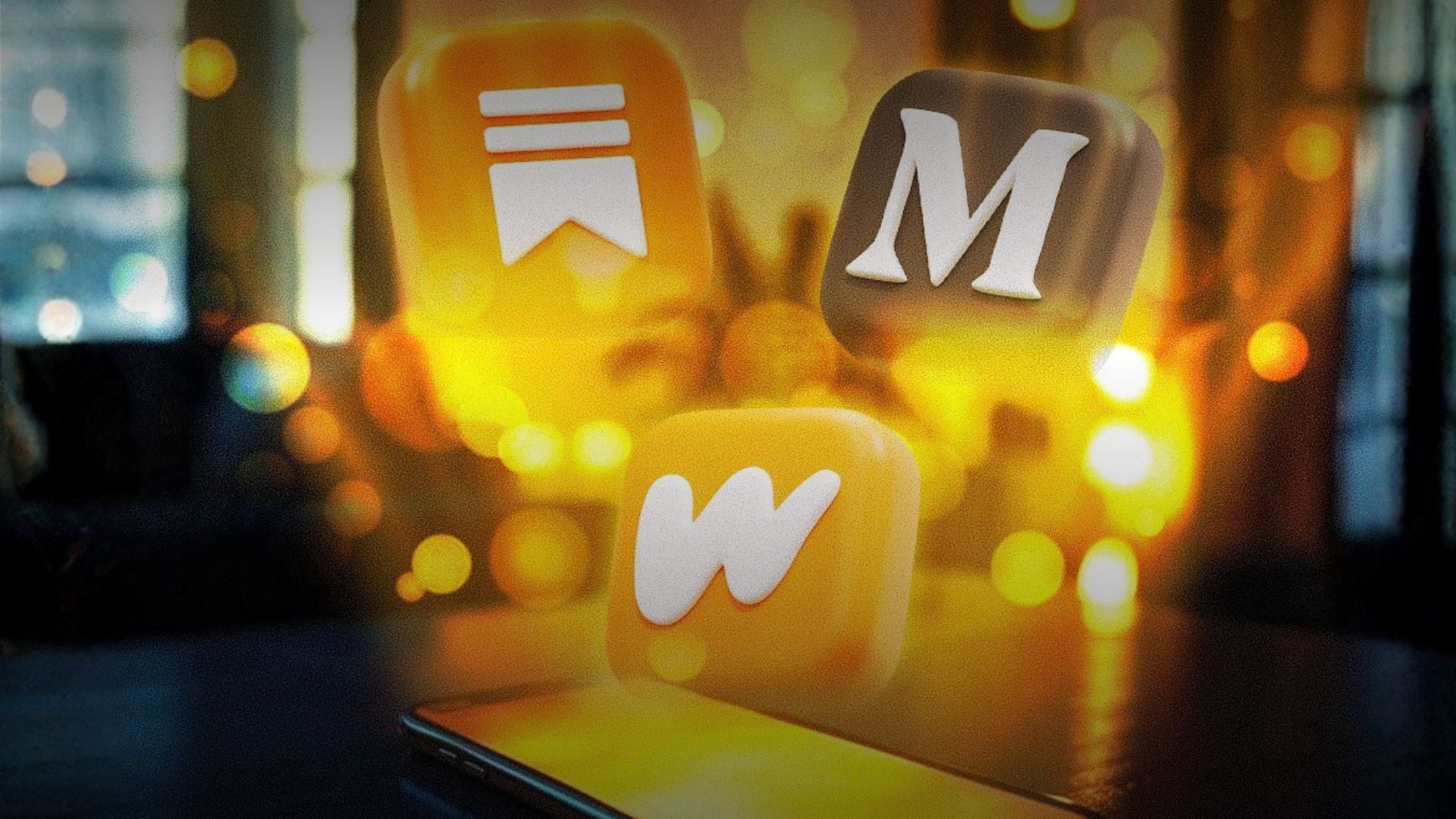
The new Wattpad? Substack and Medium
Then Substack and Medium entered the picture, the natural evolution for the “graduated” Wattpad reader. If Wattpad was our messy, beloved high school diary, these platforms are our curated personal libraries.
The shift marks a transition from raw fiction to professional, niche, and long-form content. We’ve traded shipping characters for subscribing to experts, seeking that same sense of intimate connection but applied to politics, culture, and personal essays. It’s the same hunger for community-driven storytelling, just framed in a 1×1 white background while dressed in a blazer.
What is Substack?
Every writer begins with a private repository of words: an aging leather-bound journal, crumpled sheets in your back pocket, or a drafts folder of shelved essays. Yet, some sentences are just too loud to loiter between the lines.
This is where Substack becomes indispensable: a publishing platform that enables independent writers, journalists, and creators to transform personal manuscripts into newsletters, articles, podcasts, videos, and other forms of content delivered directly to the readers’ inboxes.
The concept took shape in 2017, when Chris Best, Hamish McKenzie, and Jairaj Sethi sought to create a publishing platform where creators could write for the keepers and seekers while sustaining their work through subscriptions. Guided by their backgrounds across technology, software engineering, and journalism, they conceived an epistolary bridge where stories vacate the solitude of a folio, restoring a sense of correspondence between writer and reader.
Like a well-appointed literary alcove, Substack furnishes creators with everything necessary to cultivate their own publication. Writers may establish a page free of charge, publish written pieces alongside images, audio, podcasts, or videos, and retain ownership of both their copyright and subscriber list. They may also determine whether their work remains freely accessible, exists entirely behind a subscription, or follows a hybrid model. Still, it does not burden creators with the mechanics of payment and distribution.
The platform orchestrates these processes in the background, taking a 10% share only from paid subscriptions while allowing creators to keep the remainder after processing fees. In doing so, Substack removes much of the administrative clutter and leaves the writer’s attention where it belongs — on the craft itself.
The warmth of Substack is also carried past publication into the conversations that gather around every piece. Its Notes feature functions much like the margin of a cherished book by allowing creators and readers alike to keep ideas circulating with brief reflections, quotations, images, or links. Substack predicates its success on this such that it does blindly incentivize writers for relentless output, but encourages an ecosystem where speed and frequency give way to substance and the sincerity with which one writes.
What is Medium?
Substack feels like a digital neighborhood cafe where every table is occupied by someone reading, writing, or conversing thoughtfully. Yet before its doors ever opened, another coffee shop had already been serving the same brew — Medium.
Founded in 2012 by Evan Williams, the co-founder of Twitter and Blogger, Medium was built on the idea of creating a space where thoughtful writing could thrive. With its clean, distraction-free interface, the platform makes reading and writing feel comfortable, convenient, and accessible for anyone with a story to tell.
One of Medium’s greatest strengths is being heard. Instead of spending money on web hosting, designing a personal website, or investing in marketing, writers can publish on a platform that already attracts millions of readers. Medium’s recommendation system, publications, and tagging features help quality stories reach audiences who are genuinely interested, making it easier for new and experienced writers alike to gain visibility without significant costs.
Medium also encourages connection, discovery, and growth. Readers can follow their favorite writers, highlight meaningful passages, and leave responses that spark thoughtful conversations. At the same time, personalized recommendations introduce readers to a fresh voice while helping writers expand their audience. Every article becomes more than just a piece of content, it becomes an opportunity to connect, learn, and inspire.
Beyond its growing community, Medium offers ownership, creative freedom, and monetization. Writers retain ownership of their work while enjoying the freedom to publish on topics they are passionate about without managing the technical side of running a website.
Through the Medium Partner Program, eligible writers can also earn money based on member engagement, turning meaningful storytelling into a potential source of income. By combining simplicity, affordability, and opportunity, Medium has become more than a publishing platform — it is a place where ideas are shared, voices are heard, and writers continue to grow.
Where words wander or wait
Every piece of writing begins with the same intention: to be read.
However, not every story reaches its audience in the same way. Some words wander through crowded spaces, finding unexpected readers with every recommendation and shared link. Others wait patiently in familiar inboxes, arriving like letters from a trusted friend. It is this difference in journey — not in quality — that sets Medium and Substacks apart.
If Medium is the bustling coffee shop where strangers stumble upon stories between sips of coffee, then Substack is the handwritten letter that arrives in a familiar mailbox — personal, anticipated, and addressed to someone who has already chosen to listen. Both platforms celebrate writing, yet they nurture it in remarkably different ways.
Medium is built around discovery. Every article enters a shared ecosystem where recommendation algorithms, publications, and topic tags introduce writers to readers who may have never encountered their work before. A single compelling story can travel far beyond a writer’s existing network, making Medium an inviting space for beginners hoping to be found and seasoned authors looking to reach new audiences.
Substack, by contrast, is built around connection and ownership. Rather than relying on algorithms, it places the relationships between writer and reader at the forefront. Every post is delivered directly to subscribers through email, creating a rhythm that feels like broadcasting to the public and more like corresponding with a trusted circle. Because writers own their subscriber lists and decide how their work is monetized, they maintain greater independence over both their audience and their income.
In the end, neither platform writes the story for its creators. Medium opens the doors to a room filled with curious readers waiting to discover new voices, while Substack hands writers the keys to a publication they can truly call their own. One is designed to help writers be found; the other is designed to help writers stay connected. The better choice depends not on which platform is superior, but on where a writer hopes their words will find a home.
A change of reader’s heart
The readers’ shift from Wattpad to either Substacks or Medium has fundamentally redefined the writer-reader relationship.
In the old days, a “vote” on a chapter was the currency; today, it’s a subscription. This turn toward community-funded, value-based writing has empowered creators to bypass traditional gatekeepers, much like Wattpad did, but with a sustainable economic model.
For the public, it means a more fragmented but deeper media landscape where authenticity is the highest-valued commodity.
Eliciting authenticity amid AI invasion
As we remember it, there is a distinct tension between the Wattpad era we recognize and the content landscape we inhabit today.
Back then, Wattpad felt visceral and untamed. It was a chaotic, unpolished sanctuary because every word — the typos, the erratic release schedules, the frantic “author’s notes”— was born directly from their phone’s notes app to the readers’ screen. We knew the fictional love and ache was real because we knew, instinctively, that a human being had drawn it somewhere from cognizance or experience, then typed it. There was no mediator, no algorithm, and no machine.
Now, as AI seeps into the writing process, the lines are blurring. We find ourselves consuming touching articles that resonate deeply, only to be left with an unsettling question: Was this written by a human sharing their lived experience, or was it woven by a machine specifically prompted to “humanize and make it relatable” for everyone?
The danger of this new era and the apps we lend our time to isn’t that the writing is flawed; it’s that it might be too perfect. We risk consuming content that is engineered to trigger emotional responses, mirroring the “human” experience without ever having lived it. For a generation that built its emotional identity on the raw, unfiltered connections of the orange app, the most valuable commodity today is no longer just “relatability” but the guarantee of human origin.
Authenticity remains the one thing we refuse to automate, and in a generation of AI-generated content, it is the very characteristic we ought to elicit from our reading apps such as Substacks and Medium.
Are these the new Wattpad? Or just better?
So, are Substack and Medium the new Wattpad? Perhaps. But they are not replacements, nor are they necessarily better.
Wattpad taught us that stories could make strangers feel like friends; Substack and Medium remind us that ideas can do the same. We did not abandon the orange app because it lost its enchantment; we simply browsed another aisle of the same library, where different volumes awaited a different season of our lives.
In today’s generation, words can be summoned in seconds and the cleverest prompts have almost become commonplace. Every so often, we crave comfort and enchantment not in the content itself anymore, but in the knowledge that the sentences have been wrestled into existence by another human soul.