










Now Reading: This Time, Offline is the New Aesthetic
-
01
This Time, Offline is the New Aesthetic

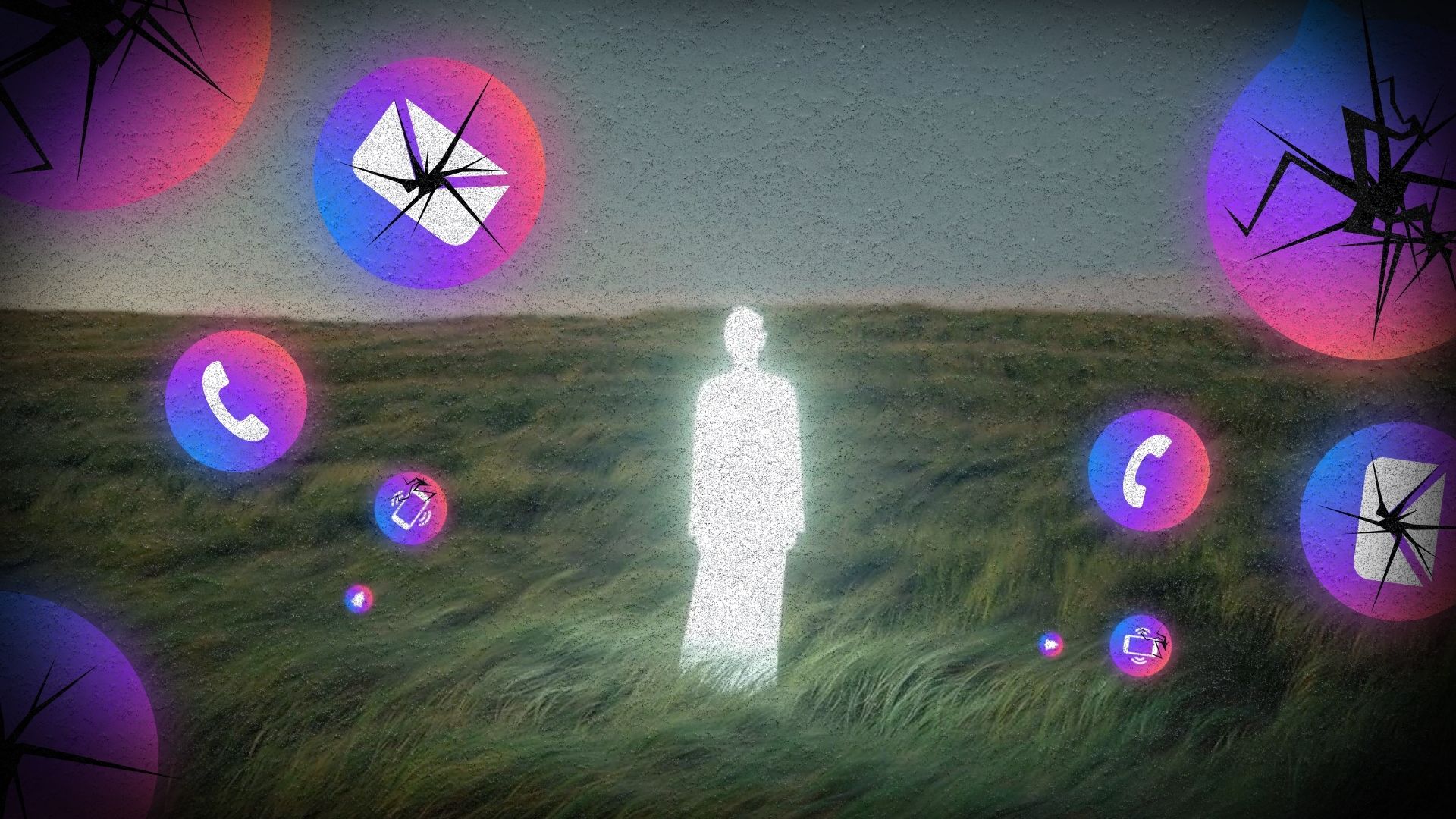
The new year has barely settled in, are you also having the unscratchable itch to ditch the online world? That persistent urge to close the app, silence the notifications, and step away from the glowing screen. No, it’s not a rejection of technology but a quiet craving for a slower, more grounded, and more peaceful way of living. If you find yourself wanting to go offline and return to the analog, you are far from alone.
When the feed starts getting unbearable to keep up with
Once, the digital world felt like an oasis, a safe space, and an escape from reality. From forming friendships across time zones, connecting with strangers, building communities, getting tons of information in just one click, and making communication so much easier. Specifically in social media, where it became a space for expression, audience, and belonging. For us Generation Zs, online spaces became extensions of identity. They were where conversations unfolded, and comfort was found during moments of physical isolation.
Over time, however, that same space grew crowded and suffocating. Platforms have multiplied so much that any of us can barely keep up; interactions have become unintentional and increasingly performative, and toxicity seeps into everyday scrolling, as the constant stream of content leaves little room to breathe. With the posts becoming more curated, reactions becoming a measure of self-worth, and visibility now matters more than sincerity. What was meant to connect and offer convenience now often exhausts us. Instead of logging on to unwind, we found ourselves navigating expectations, comparisons, and constant noise.
This transformation has been amplified by the mechanics of endless scrolling, or what we’re more familiar with– doomscrolling. The habitual consumption of distressing or excessive content keeps us locked into cycles of constant anxiety and alertness. From news updates that blur into personal posts, advertisements interrupt moments of reflection, and algorithms push more content than anyone can meaningfully absorb. It then results in overstimulation, where the mind is always engaged, yet rarely at rest.
For many, the question is no longer how to stay online, but how to breathe within it. The noise did not arrive all at once, but it has become impossible to ignore. And as the volume increases, so does the desire to step away, not out of rejection, but out of self-preservation. We are now yearning for a community and slow living as the digital world becomes increasingly fast paced and demanding.
How we disconnect to reconnect
In response, a growing number of Generation Z individuals are redefining their relationship with digital life. Instead of chasing the next update, many in this generation are turning toward what can be held, heard, and experienced without a screen involved. It’s a way to regain control over attention, time, and emotional energy. Unlike trends that thrive on visibility, this shift often happens off camera, away from metrics, and without an audience.
Most analog activities ask for presence. They do not refresh, notify, or demand immediate reaction. Instead, they allow moments to unfold at a human pace, one that aligns more closely with how the mind processes meaning. They may appear small, even ordinary, yet they carry weight because they are chosen deliberately or intentionally.
The analog revival, then, is less about looking backward and more about anchoring oneself in the present. It reflects a growing understanding that connection does not always require a signal and that meaning often emerges when the noise finally quiets down.
Choosing the stuff that makes time feel slower
This shift toward analog becomes most visible in the objects Gen Z is choosing to return to.
Digital cameras and film photography, for instance, have found new life among young people who grew up with smartphones. Unlike phone cameras that allow endless burst shots and instant deletion, film demands restraint. It forces us to become more intentional and mindful when taking pictures rather than automatic. Even digital point-and-shoot cameras slow the process down. They separate the image from social media, allowing photos to exist without immediate pressure to be shared or validated.
This path has been followed by how we consume music, as vinyl records and compact discs offer a listening experience that streaming rarely provides. Instead of skipping through tracks or playing music in the background, listeners are invited to engage fully. There is a beginning, a middle, and an end. From Selecting an album, placing the needle, and sitting with the sound encourages attention and presence, playing record requires effort. In this way, music becomes an activity rather than noise filling silence.
It’s also evident that some Gen Z individuals have taken this desire for intentionality even further by adopting dumb phones or flip phones. These devices are not symbols of regression but tools for boundary setting. With limited functions, they reduce distractions and interrupt the habit of constant checking. Calls and messages regain importance, while endless scrolling loses its grip.
Additionally, offline alternatives now travel with people as well. The rise of analog bags reflects a quiet resistance to digital dependence. Instead of reaching for a phone during idle moments, individuals carry books, journals, puzzles, or craft supplies. These items offer engagement without stimulation overload. They fill time without draining attention, and they encourage creativity, reflection, or rest rather than consumption.
At the center of this movement lies the analog journal ecosystem. It has expanded beyond simple diary entries into planners, habit trackers, sketchbooks, and reflection logs. Writing by hand slows thought and deepens awareness, and there is no algorithm shaping what comes next, no audience shaping what should be said. The page holds space without judgment, allowing emotions and ideas to exist without performance, and offers engagement without overstimulation.
Together, these practices point to something larger than aesthetic preference. They reveal a group of people learning to be selective with its attention. In choosing analog, Gen Z is not rejecting modern life but redefining what meaningful engagement looks like in a world that never stops asking for more.
Stepping away from the screen as we begin again
Analog, in this sense, becomes a quiet rebellion– a soft, deliberate pause in a world that never stops scrolling. It’s like holding a warm cup of tea while the city rushes by, turning the page of a journal while notifications pile up unseen, or watching a photograph develop in the darkroom while the online world waits. It’s a reminder that slowing down is still a choice, that presence can be deliberate, and that meaningful engagement doesn’t need an audience.
As 2026 begins, the question lingers: what happens when a generation raised online learns to look away? In choosing analog, Gen Z isn’t rejecting technology, we’re discovering how to be fully alive within it, savoring the quiet spaces where life unfolds on its own terms.