











Now Reading: Unlearning what we think we know about suicide
-
01
Unlearning what we think we know about suicide

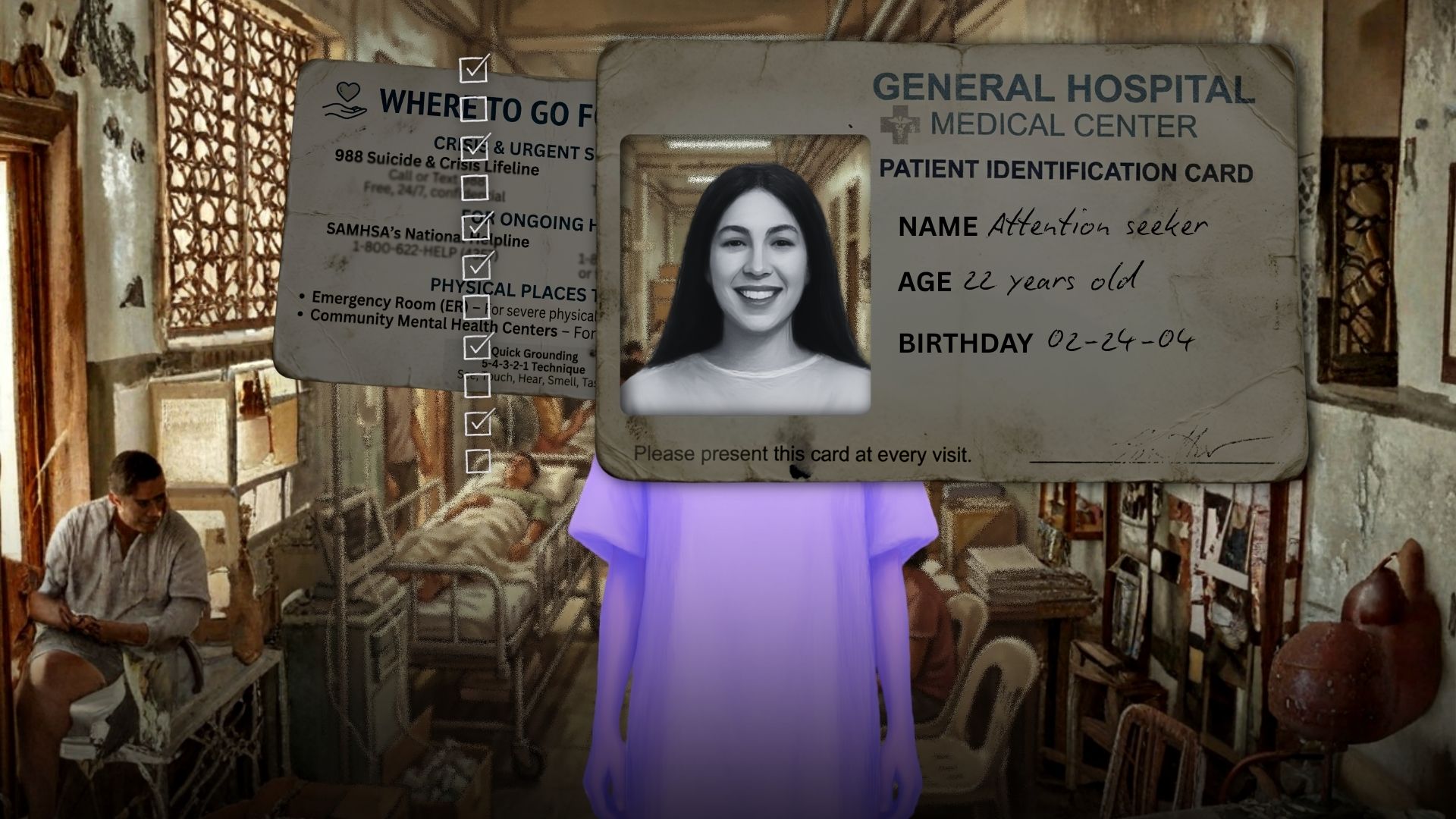
There are words that people often hesitate to say out loud—and, “suicide” is one of them.
The topic is difficult, uncomfortable, and often surrounded by silence. Because of this discomfort, conversations about suicide are sometimes replaced by assumptions and misconceptions that have been left uncorrected for years. Some believe that people who talk about it are simply seeking attention, while others think that asking someone about suicide might encourage them to attempt it.
These beliefs may sound convincing, especially when they come from people who genuinely want to help, but many of them are myths. When misinformation surrounds an issue as serious as suicide, it can prevent people from recognizing distress, responding appropriately, and encouraging someone to ask for help.
According to the National Institute of Mental Health (NIMH), suicide is a complex issue, and its warning signs may include talking about wanting to die, feeling hopeless, trapped, or like a burden, withdrawing from others, or experiencing significant changes in behavior.
Understanding these signs and challenging harmful misconceptions can help create a more compassionate and supportive environment for people who may be struggling.
Myth 1: People who talk about suicide are just seeking attention
One of the most common misconceptions about suicide is that a person who talks about wanting to die is merely trying to get attention.
This belief can cause people to dismiss statements that should instead be taken seriously. In reality, talking about suicide may be a way for someone experiencing intense emotional distress to communicate pain that they may not know how to express in another way.
The NIMH emphasizes that talking about it can be a warning sign of serious distress and should not simply be ignored. When someone says that they no longer want to live, the appropriate response is not to immediately label them as dramatic or attention-seeking. Instead, their words should be met with concern, patience, and compassion.
A simple response such as asking how they are feeling and allowing them to speak without judgment can make the person feel heard rather than dismissed. Taking someone seriously does not mean assuming that you know exactly what they are experiencing; it means recognizing that their pain deserves attention and letting them feel that there is a hand willing to carry them.
Myth 2: Asking someone about suicide will push them to do it
Another widespread myth is that talking directly about suicide will cause a person to consider it. That is why, plenty of friends, family members, and even teachers may avoid asking someone directly whether they are thinking about suicide. However, according to experts, asking someone about suicide does not cause or increase suicidal thoughts.
In fact, an honest and respectful conversation can give a person a chance to express feelings that they may have been keeping to themselves.
The World Health Organization (WHO) also encourages open discussion about suicide, noting that talking about it can provide an opportunity for someone to consider alternatives and seek help.
Asking a direct question does not mean encouraging suicide; rather, it can communicate that someone has noticed their struggle and is willing to listen. A person does not need to have the perfect words or know how to solve the entire situation. Sometimes, simply creating a safe space for someone to speak can be an important first step toward connecting them with appropriate support.
Myth 3: You can always tell when someone is suicidal
Many people imagine that someone experiencing suicidal thoughts will always appear extremely sad, withdrawn, or visibly distressed. While changes in mood and behavior can sometimes be warning signs, emotional pain does not always have an obvious appearance. A person may continue attending school, talking with friends, completing responsibilities, or even appearing cheerful while gradually breaking inside.
The NIMH shared several possible warning signs, including hopelessness, withdrawal, extreme mood changes, feeling like a burden, and talking about death or suicide. However, there is no single appearance that can tell us whether someone is struggling with suicidal thoughts.
Hence, statements such as, “They looked completely fine,” cannot fully explain what a person may have been experiencing internally. Recognizing this does not mean assuming that every quiet or unhappy person is suicidal. Rather, it reminds us that we cannot always see another person’s struggles from the outside. Compassion should not depend on whether someone’s pain is visible, so it is important to become a ray of kindness to everyone.
Myth 4: Suicide happens because of one problem
When a person dies by suicide, people often search for one explanation. They may point to a breakup, family conflict, academic pressure, financial difficulties, bullying, or another painful event and conclude that it was the reason. Although certain experiences can contribute to emotional distress, suicide is rarely explained by one circumstance alone.
According to the Centers for Disease Control and Prevention (CDC), suicide risk can involve a combination of individual, relationship, community, and societal factors. This means that reducing a person’s experience to one event can oversimplify something that may be much more complicated. It can also lead to blame, as people begin asking who or what was responsible instead of recognizing the broader circumstances surrounding the person’s life.
Every individual carries experiences that other people may not fully see, and there is rarely one simple explanation for a deeply complex crisis. Understanding this encourages us to approach the subject with empathy rather than immediately searching for someone or something to blame.
Myth 5: People who are suicidal truly want to die
Another misconception is that a person experiencing suicidal thoughts simply wants their life to end. But the reality can be much more complicated.
WHO states that people experiencing suicidal thoughts may be ambivalent about living and dying and may be seeking an end to overwhelming emotional pain. This does not make suicidal thoughts less serious. Instead, it highlights the importance of providing support during a crisis. Someone experiencing intense distress may feel trapped and unable to see alternatives in that moment, which is why judgment and criticism are unlikely to help.
Statements such as, “You have so much to live for,” may be well-intentioned, but they can sometimes make a struggling person feel that their pain is not being understood. A more supportive approach is to listen, acknowledge the seriousness of what they are experiencing, and help connect them with people who are trained to provide appropriate care.
Myth 6: Talking about suicide only makes things worse
Because suicide is an uncomfortable topic since it can trigger tendencies, many people believe that avoiding the subject is safer. However, silence does not automatically protect someone who is experiencing severe emotional distress.
According to the NIMH, there are five important actions that can help when someone may be experiencing suicidal thoughts: ask, be there, help keep them safe, help them connect, and follow up. These actions do not mean that friends or family members are expected to become mental-health professionals. Instead, they emphasize the importance of taking concerns seriously, listening without judgment, helping someone connect with appropriate support, and remaining present when possible.
The CDC also identifies connection to family, friends, community, and appropriate health care as factors that can help protect against suicide risk. This shows that prevention is not solely the responsibility of mental-health professionals. Communities, schools, families, and friends can all contribute by creating environments where people feel safe enough to ask for help.
Myth 7: Suicide can’t be prevented
Just because suicide is unpredictable doesn’t mean it’s unpreventable. People believe that if someone is experiencing suicidal thoughts, they will do everything just for it to happen. They may find it difficult to prevent, but with proper and effective prevention strategies, this could mean saving lives.
According to the National Library of Medicine (NLM), prevention isn’t restricted to an individual; it also needs community, social, and policy intervention. A simple effort of paying attention, showing empathy, and supporting people having suicidal thoughts can greatly contribute to preventing people from taking their own lives.
NLM also states that means restriction, accountable media coverage, and awareness to the public are reliable and effective strategies for prevention. In addition, identification methods also work; these include screening, gatekeeper training, and primary care physician education.
You being solicitous could mean helping people battling an unseen enemy. This can happen to anyone around you, which is why it is important to listen without judgment and offer support to people experiencing this situation. Understanding this reminds us that prevention is better approached through early intervention and support rather than allowing someone to suffer further in the hopelessness they already experience.
Myth 8: Suicide is selfish
People still believe that suicide is simply the result of poor decision-making, leading to the assumption that “suicide is a choice.” However, this view can create a misunderstanding of what someone may actually be going through.
A choice usually involves weighing different options based on personal preferences and circumstances. However, psychologists say that suicidal thinking can weaken a person’s ability to see alternatives and make worthy decisions.
According to Nationwide Children’s Hospital, people experiencing suicidal thoughts may feel like they are a burden to others or become overwhelmed by intense emotional pain that feels beyond their ability to cope. Their struggle is therefore not necessarily about wanting to hurt or make others feel guilty, but about wanting to escape a situation that feels unbearable.
Understanding this teaches us to approach suicide with empathy rather than with judgement. Instead of asking why someone would “choose” suicide, it is important to recognize the struggle that led them to that point.
Myth #9: Suicide only happens to adults
Aside from the myths mentioned, it is also a common misconception that suicide only happens to adults.
According to the WHO, suicide can affect people from different walks of life. In fact, in the Philippines, suicide was the fourth leading cause of death among adolescents aged 15 to 19 globally in 2021, while it was the third leading cause of death among those aged 15 to 29. It shows that suicide is not an issue exclusive to adults, but one that can affect young people as well.
It is a reminder that suicidal thoughts and emotional distress are not limited to a particular age group or type of person. Every person facing such struggles deserves to be heard, supported, and treated with compassion.
Myth #10: Suicide is just some sort of made-up story
Even though suicide is a serious matter, many people still dismiss it as just made-up stories. Struggles experienced by a person might not be visible but that doesn’t mean it’s fictional.
WHO stresses that more than 720,000 suicide cases are being reported every year. This makes it one of the leading causes of death globally. These are not just numbers, they are dreams shattered, families left grieving, and lives marked by unbearable pain.
The feeling of having no other options and losing reasons to live isn’t fictional. It’s a sign of hopelessness. Rather than invalidating their experiences, it is necessary to recognize their pain, listen to their stories, and respond with empathy.
Myth #11: Therapies don’t work
Hopelessness can’t be solved with more hopelessness. Therapy and professional support can provide people with guidance, coping strategies, and hope as they work through what they are experiencing.
WHO emphasizes that people experiencing suicidal thoughts can seek support from mental health professionals, counsellors, and social workers. Reaching out for professional help can provide a person with the support they need to cope with their struggles and find a way forward.
Remember that you are not alone.
If you need help, free and confidential help is available 24/7 through the National Center for Mental Health Hotline by dialing 1553 or 0917-899-8727.
Beyond the myths
The danger of myths about suicide is not simply that they are inaccurate. Their greater danger lies in what they can cause people to do—or fail to do.
If we believe that someone who talks about suicide is only seeking attention, we may ignore them. If we believe that asking about suicide creates suicidal thoughts, we may avoid an important conversation. If we believe that people who are struggling will always look unhappy, we may overlook someone whose pain is hidden behind an ordinary routine. And if we believe that suicide can always be explained by one event, we may never understand the complexity of what a person was experiencing.
Replacing these myths with accurate information does not mean that every person must become an expert on suicide prevention. It means becoming more willing to listen and less willing to judge. It means understanding that someone else’s pain does not have to be visible before it deserves compassion. It means recognizing that asking a sincere question can be an act of care and that connecting someone to professional or crisis support can be more valuable than trying to solve everything alone.
Most importantly, it means understanding that conversations about suicide should be approached with seriousness, empathy, and responsibility rather than fear, shame, and stigma.
What’s true is that you are not alone
Challenging these misconceptions is therefore more than correcting facts; it is about changing the way people respond to suffering.
Perhaps the most important lesson is that we do not always need the perfect words to show someone that they matter. Sometimes, we simply need to notice, to ask, and to listen. A conversation cannot solve every problem, but it can remind someone that they are not facing their pain completely alone.
By replacing myths with understanding and silence with responsible conversation, communities can become places where asking for help is not a source of shame, but a sign that someone has found the courage to reach out.