



Now Reading: We learned how to succeed, but no one taught us how to live
-
01
We learned how to succeed, but no one taught us how to live
We learned how to succeed, but no one taught us how to live

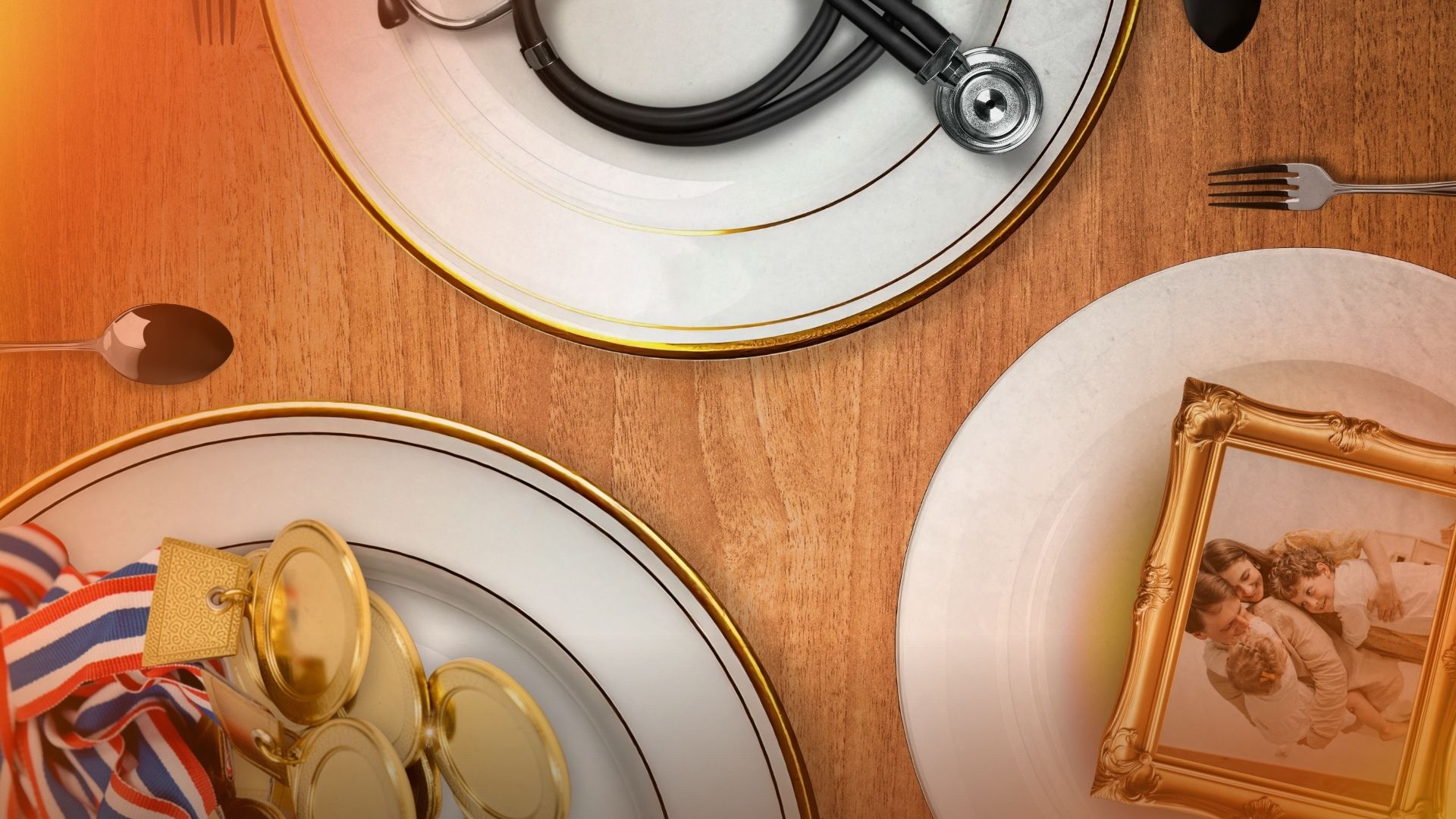
In every Filipino family reunion, there is a colorful mix of people gathered under one roof, each expected to wear at least a decent smile on their face.
Because in Filipino family reunions, happiness is often performed before it is truly felt.
These gatherings are not only meant to bring hearts closer after weeks, months, or years apart. They have also become quiet exhibitions of achievement.
When we were children, our parents proudly displayed our medals, certificates, and trophies — victories in swimming, volleyball, journalism, singing contests, quiz bees, and pageants.
But now that we are adults, our professions have become the new medals parents raise before relatives as proof that we have succeeded. But in all the introductions made across crowded tables and plates of pancit bihon, lechon, and lumpiang shanghai, it is rare to hear a parent proudly say:
“My child is happy.”
Of course, as children, all we ever wanted was to make our parents happy. We witnessed the sacrifices they made just to send us to school, dress us in expensive uniforms and polished black shoes, buy us decent backpacks, place our favorite meals on the table, and love us in the only ways they knew how.
Sometimes, their love came in quiet hugs and quiet kisses. Sometimes, it came in the soft “yes” whenever we asked for toys every now and then. Sometimes, it came in silent nods as they listened to us talk about becoming a doctor, a pilot, a teacher—or even Superman saving the world—while they sat beside us at night, waiting for us to fall asleep.
We grew up watching our parents turn exhaustion into love. Some stayed overtime at underpaying jobs, while others left home to work abroad. Sometimes, they still let their children eat their favorite Jollibee meals even though the budget is tight. Some force their eyes to stay awake to finish school projects long after their children have fallen asleep.
And because we witnessed all of these sacrifices firsthand, success slowly stopped becoming a dream and started becoming a debt we felt obligated to repay.
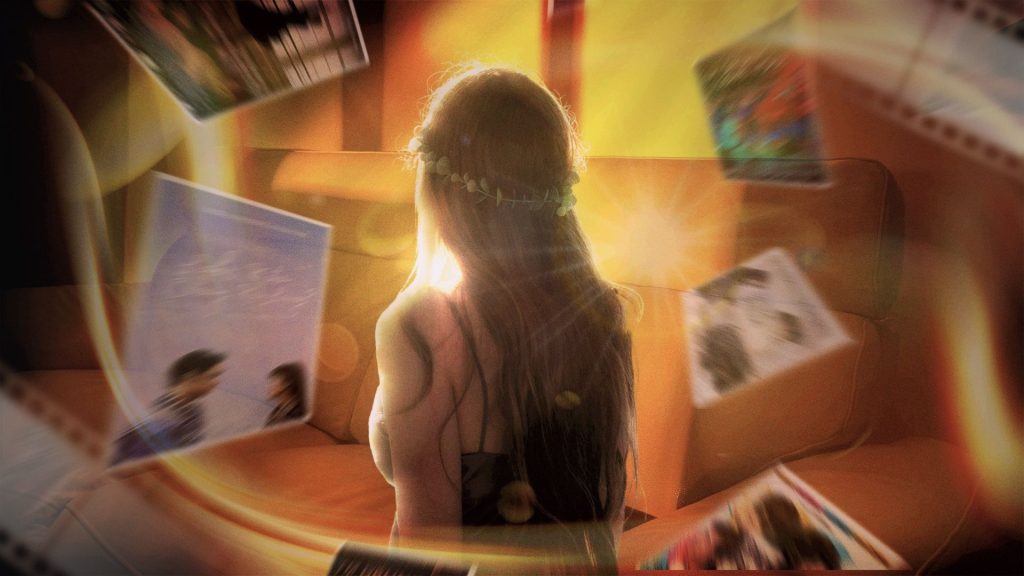
The little girl who once told her mother that she wanted to become a doctor and save lives now sat alone in silence, devastated after failing to qualify for her dream medical school. More than her own heartbreak, what consumed her was the fear of going home and facing the woman who sacrificed so much for her dreams.
She knew her mother would still say, “It’s okay.” But she also knew that behind those words lived years of sacrifices that could never be returned.
The boy who once entertained relatives with his flair tricks in the kitchen, dreaming of becoming a chef and owning a restaurant one day, now tightly binds his swollen wrists every night, fighting the burning numbness that threatens to steal the hands he relies on. When the exhaustion threatens to break him, he retreats to his locker just to look at the worn photograph of his parents. Their smiles aren’t just fuel; they are a reminder of what is at stake.
The public school teacher still enters the classroom with a smile every morning, even though her salary could never compensate for the exhaustion of teaching overcrowded classes, bringing unfinished work home, and spending her own money just to provide her students with materials.
And somewhere between becoming the dreams they once proudly told their parents about and surviving the reality of those dreams, they quietly forgot to ask themselves whether they were still happy.
Perhaps that is why so many smiles in Filipino family reunions feel heavy. Beneath the laughter, the karaoke songs sung slightly out of tune, the clinking of utensils against paper plates, and the endless introductions of doctors, nurses, engineers, pilots, teachers, and chefs, there are children who spent their entire lives trying to become someone their parents could proudly present to the world.
There are smiles worn by children who became dreams before they became people.
Children who turned themselves into medals their parents could finally hang against the judgment of society.
And while the pancit grows cold on the table, while another aunt asks who among the grandchildren is already a doctor, while another relative proudly announces salaries, promotions, and titles, somewhere in the corner sits a child silently mourning the version of themselves they lost while trying to become enough.
Because somewhere along the way, we mastered surviving expectations, but forgot how to live happily beyond them.