








Now Reading: When nature finds its way to our feeds through the modern screens
-
01
When nature finds its way to our feeds through the modern screens

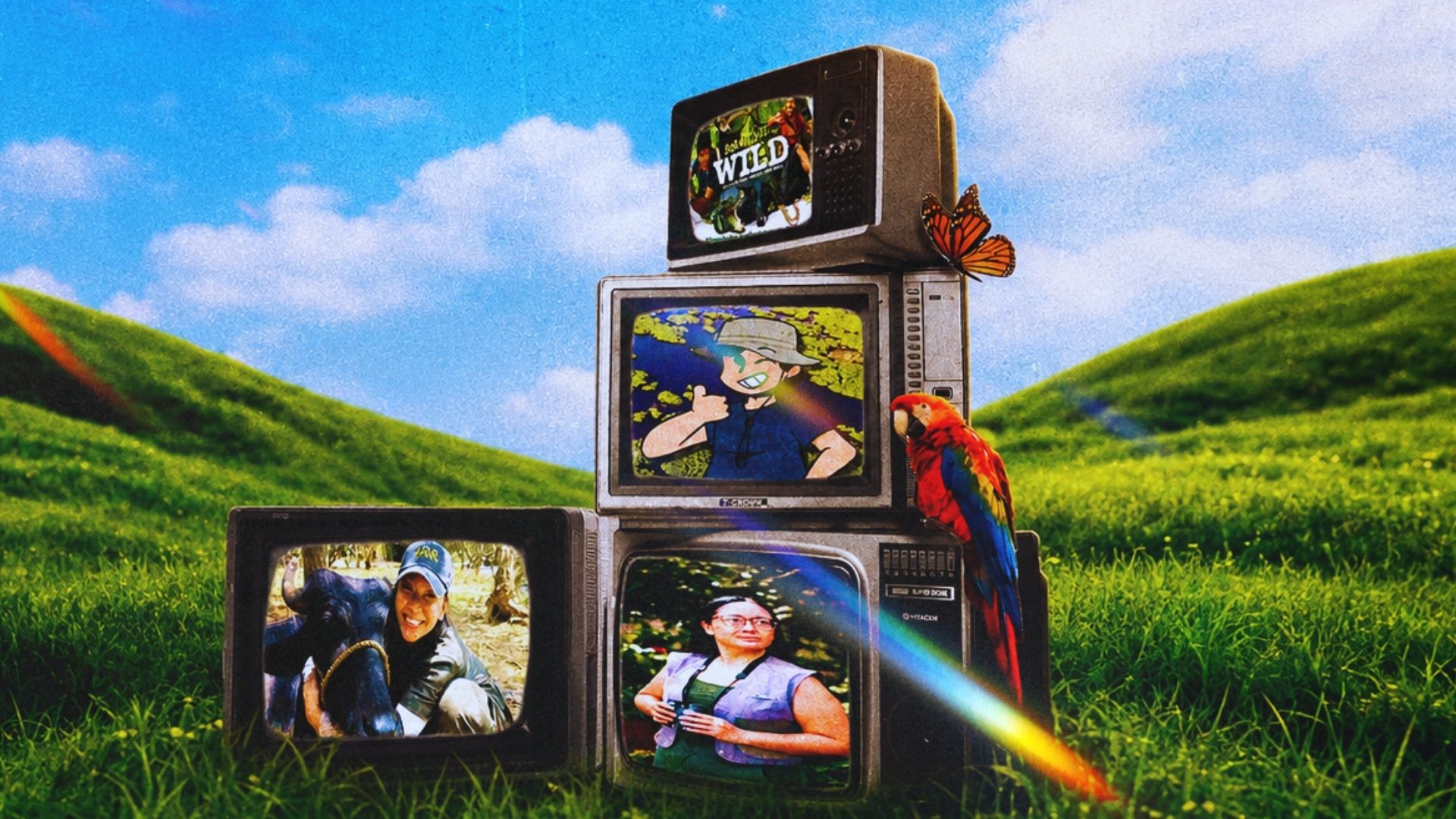
The world’s greatest environmental crisis is no longer unfolding only in forests stripped bare, coral reefs turned ghostly white, or rising cases of extinction of species—it is unfolding in the human mind and digital screens.
At a time when every swipe dictates what deserves attention, ecosystems that sustain life are losing ground to content engineered for instant gratification.
The quiet disappearance of native species rarely competes with the deafening pace of viral trends, leaving environmental ignorance to flourish not because information is inadequate, but because attention has become scarce.
Scientists warn that biodiversity loss now poses a systemic threat to economies, livelihoods, and human well-being, yet public engagement remains alarmingly disproportionate to the urgency of the crisis.
Flooding the feed
This growing indifference has been magnified by the rise of AI brainrot—a digital culture and parade of videos characterized by endless streams of algorithmically amplified, AI-assisted, and hyper-stimulating content that prizes engagement over enlightenment.
As generative AI dramatically accelerated content production in late 2025, recommendation systems became increasingly optimized to maximize watch time, rewarding novelty, absurdity, and emotional stimulation while pushing slower, educational narratives to the margins.
Ironically, humanity has never possessed more knowledge about nature, yet it has rarely paid less attention to it.
Every forgotten pollinator, every overlooked mangrove, and every species pushed closer to extinction reflects not only an ecological loss but also a failure of storytelling. If algorithms now determine what societies remember, then the future of biodiversity may depend not only on scientists and conservationists, but on those capable of making nature impossible to scroll past and something worthwhile.
When green found our screens
The rise of biodiversity content and its creators in 2026 is something not done overnight.
Long before environmental content found its place in mainstream social media, pioneers such as Celine Murillo, Ethan Hernandez, Takurug Ki, Wildlife Matters, Gid Ferrer, Romblon Wildlife, and many more creators had already been documenting the Philippines’ extraordinary wildlife, forests, reefs, and endemic species.
Since the early 2020s and even before then, they steadily built communities that valued science over sensationalism and conservation over clout. Their consistency laid a strong foundation, but it was only years later that their voices began reaching audiences far beyond environmental circles.
Because what changed in 2026 was not merely nature—but also the public.
As the effects of climate change became increasingly impossible to ignore through extreme heat, stronger typhoons, biodiversity loss, and ecosystem degradation, environmental issues shifted from distant headlines to lived realities.
More young Filipinos became interested in sustainability, climate action, and local wildlife, searching for creators who could explain complex ecological issues through compelling stories and breathtaking visuals.
At the same time, audiences began experiencing fatigue from endless cycles of superficial trends and algorithm-driven entertainment. Amid a feed overflowing with fleeting distractions, biodiversity creators offered something increasingly rare—authenticity.
Instead of manufactured virality, they showcased living forests, swimming sea creatures, endemic birds, and newly-discovered species. They reminded Filipinos that the country’s richest treasures were not hidden behind screens but thriving.
Their growing influence proved that in an era defined by attention, the most powerful content is not always the loudest, but the one that reconnects people with the living world.
From the wild to the television
Long before smartphones and short vertical videos took over our attention, traditional television was the main window to our local nature.
In November 2007, GMA Network launched Born to be Wild, making it the first and longest-running biodiversity-themed travel and wildlife documentary show in the Philippines. Hosted by resident veterinarians Doc Ferds Recio and Nielsen Donato, this pioneering show took Filipinos out of their living rooms and straight into the country’s forests and oceans.
Prior to this, nature shows on local TV were rare, often relying on foreign documentaries. Born to be Wild became a game-changer by highlighting Philippine wildlife—from rescues of native injured birds to studies on the rich marine life of our seas.
This show introduces many generations of Filipino viewers to the faces of conservation happening in their own backyard, by showcasing actual veterinary fieldwork and community engagement.
Connecting ordinary audiences and scientific research, the show provided proof that an engaging educational environmental media is possible.
Born to be Wild laid the foundation for contemporary shows by instilling a love for local species in generations of Filipinos even before the dawn of social media, proving that local biodiversity had a thriving, eager audience given the right platform.
The rise of EnviSci in modern trends and content When traditional television was the dominant form of media, environmental stories primarily focused on wildlife documentaries and animal rescue programs.
Today, with the development of various media streaming platforms, environmental stories are evolving to include Environmental Science (EnviSci) stories or communication.
Current environmental trends show a growing preference for short, engaging, and evidence-based content on popular social media platforms such as TikTok, Instagram, and Facebook.
It is no longer shown through lengthy discussions, content creators now use concise videos, infographics, and visual storytelling to explain environmental issues in ways that are easier to understand and remember.
Many content creators focus on specific areas of Philippine ecology, helping audiences connect global environmental challenges with local experiences.
Some of the notable Filipino environmental content creators include:
- Renzo Maano – produces cinematic travel content that promotes responsible tourism and marine conservation.
- Sean Manalo (Kalikasean) – through his platform Kalikasean, he combines digital storytelling and environmental education to raise awareness about the role of mangrove forests in storing carbon, protecting coastlines, and supporting biodiversity.
- John Sherwin Felix (Lokalpedia) – highlights food biodiversity by linking food systems and native crops of the Philippines to ecological preservation.
- Camille King (HelloBirdiePH) – promotes bird conservation by introducing native birds and species and encouraging birdwatching as a way to protect wildlife habitats and biodiversity.
- Elle Hernandez – creates engaging educational content that simplifies environmental issues and promotes conservation, sustainability, and the protection of the Philippines’ natural resources.
- Louise Anne “Lans” Nagal – known for showcasing animal science and veterinary medicine through engaging and energetic videos
Instead of just showcasing the beauty of our biodiversity, modern EnviSci content creators do not shy away from the negative impact of human activities, government policies, and environmental systems that influence biodiversity.
These content creators utilize social media to provide the public with scientific information and encourage audiences to become more active in protecting the environment.
More importantly, these content creators go beyond simply attracting views or online engagement. They weave stories to connect environmental content with scientific evidence and real-world environmental issues.
Their content effectively translates the science, local data, and examples into bite-sized portions that enable people to see the beauty of the Philippines’ biodiversity and how environmental problems affect them and their community, making them active and aware individuals who engage with their environment positively.
Letting this type of content bloom further
Today, when every minute of life online feels like a continuous scroll, the battle for biodiversity isn’t confined to forests, oceans and wildlife refuges. It is waged in feeds where perspectives are shaped and priorities are determined.
Online stories and content on social media, it seems, have a powerful capacity to make the online world an engine for environmental change rather than an agent of distraction.