











Now Reading: Flood infra projects corruption drives PH’s climate risk, slows economic growth
-
01
Flood infra projects corruption drives PH’s climate risk, slows economic growth
Flood infra projects corruption drives PH’s climate risk, slows economic growth

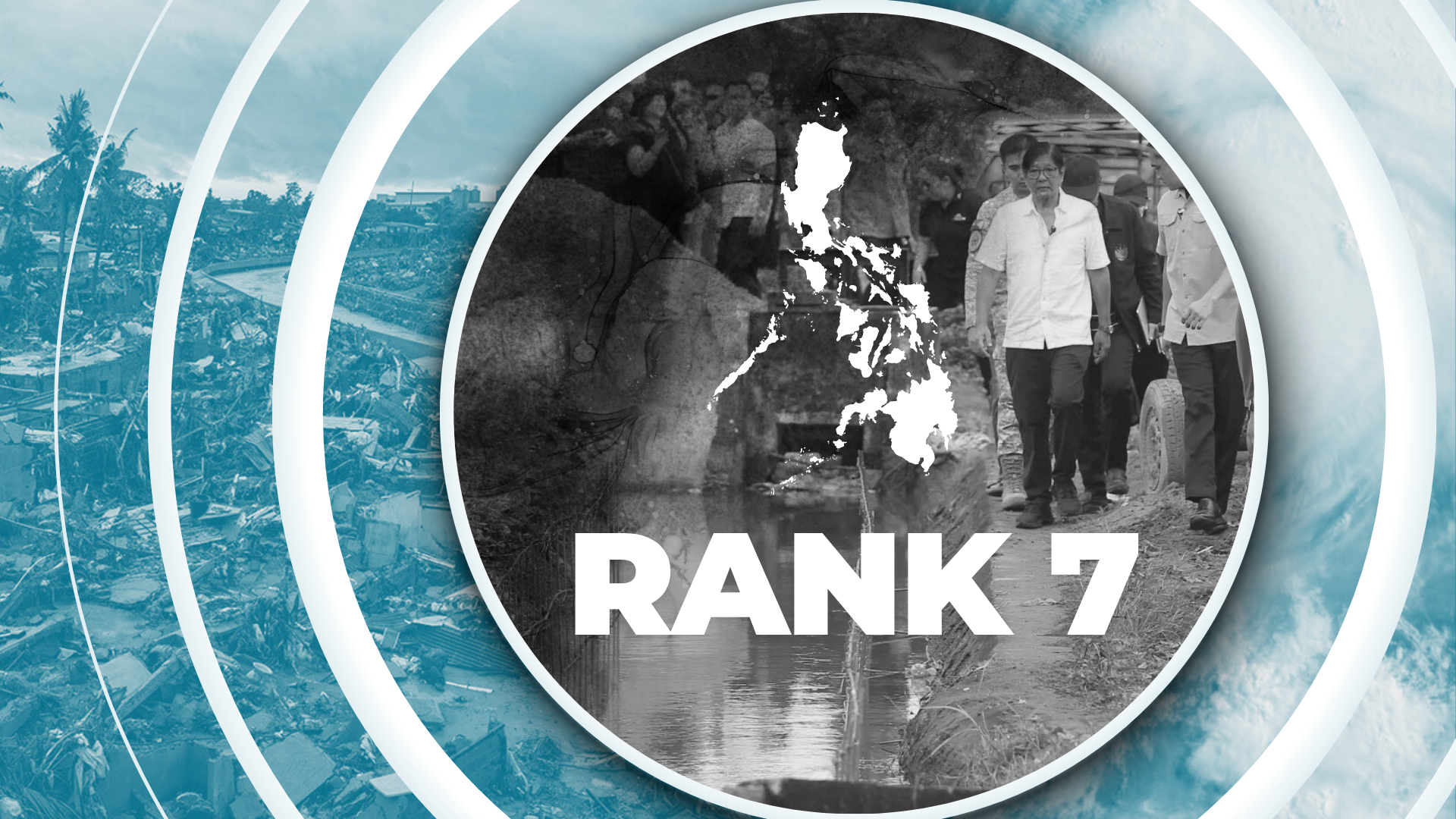
The Philippines ranked 7th globally in most affected countries by extreme weather in 2024, with corruption in flood-control projects cited as the contributing factor.
According to the data from Global Climate Risk Index 2026, the country climbed up four places compared to last year.
During the same period, economic growth also slowed to 4% in the third quarter of 2025, the weakest in four years, as consecutive typhoons and the suspension of major construction projects under corruption probe disrupted development.
It was the country’s slowest performance since early 2021, when pandemic restrictions caused the economy to contract by 3.8%.
“The Philippine economy continues to grow, but the third quarter performance reminds us of the urgent need to address key challenges and strengthen our foundations for rapid, sustained, and inclusive growth,” Department of Economy, Planning, and Development Secretary Arsenio Balisacan said.
It is also revealed that delays in infrastructure spending, specifically on flood control projects under investigation for alleged irregularities, contributed to the slowdown in construction in services.
Some of these projects were identified as “ghost projects,” prompting authorities to halt funding while investigations continue.
According to the Economist Intelligence Unit (EIU), corruption scandals combined with worsening climate disasters could further weaken investor confidence and slow recovery.
“Ongoing investigations into corruption in the flood-control infrastructure will weigh on government expenditure and investor sentiment in the quarters ahead. The decision by the President, Ferdinand ‘Bongbong’ Marcos Jr., to scrutinize public funds strictly and crack down on non-essential spending, will bode well for fiscal prudence but will keep government spending subdued,” EIU warned.





