









Now Reading: Tulfo urges WFH expansion, carpooling amid worsening oil crisis
-
01
Tulfo urges WFH expansion, carpooling amid worsening oil crisis
Tulfo urges WFH expansion, carpooling amid worsening oil crisis

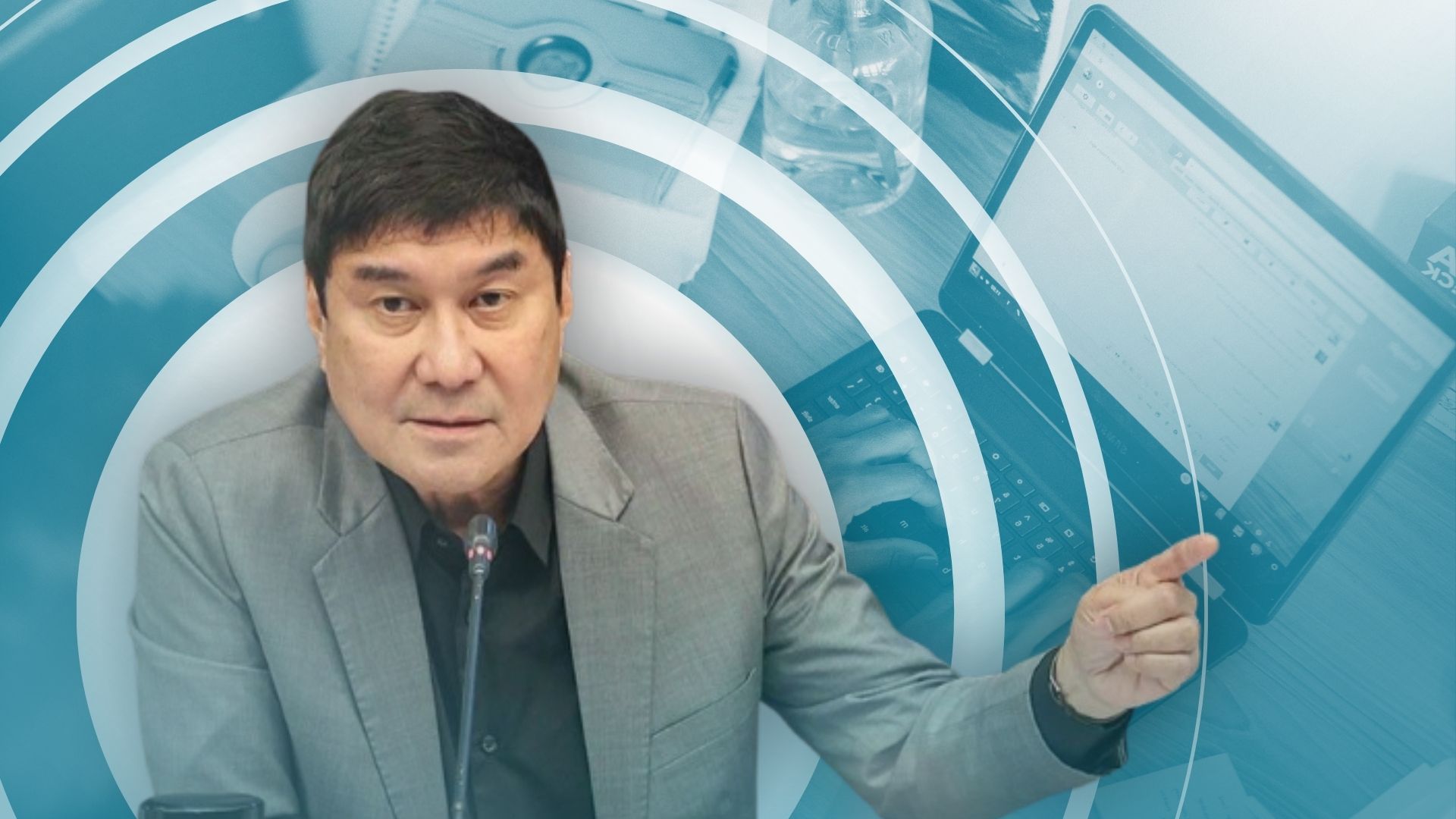
Senator Erwin Tulfo on March 29 has proposed reinstating the work-from-home (WFH) setup and ride-sharing mechanism to help employees cope with rising transportation costs due to fuel prices driven by the Middle East conflict.
The senator’s proposal comes as the ongoing rise in fuel costs threatens to disrupt public transportation.
He argued that some job descriptions can be performed remotely and pointed out that the government should reinstate the program to cushion the increased financial burden on the labor force caused by fare hikes.
“If a worker’s physical presence or activity is not required at the workplace, why not just have them report online?” Tulfo said. “For instance, those in office roles like planning, research, admin, customer service, and other similar jobs can work from home.”
Tulfo highlighted that the remote setup has been proven effective during the pandemic, noting that other vital sectors, including education and health care, have successfully transitioned online during the COVID-19 era, and could easily do so again.
“Even medical consultations and check-ups were done online by doctors during the pandemic. Why not do it again now?” he asked.
The senator also emphasized that the cascading effects of the oil price hikes are already evident, especially during rush hours.
“I’ve noticed that the number of stranded passengers on the streets seems to be increasing these days because fewer PUVs (public utility vehicles) are operating due to the high cost of fuel,” he noted.
He further encouraged ride-sharing or carpooling to help reduce transportation expenses.
“And if physical presence is required, such as in manufacturing, hotels, restaurants, or hospitals, colleagues can carpool in one vehicle and split the gas costs,” he added.
Sen. Joel Villanueva also called for the expansion of the WFH arrangement to protect Filipinos from the blow of rising fare prices.
He also suggested that the Republic Act 11165, or the Work-From-Home law, can be maximized to reduce the need for commuting, given the oil crisis because of geopolitical tension in the Middle East.
Villanueva said that aside from WFH schemes, both the government and private sector can adopt alternative work arrangements that reduce commuting demand, such as hybrid setups, compressed workweeks, staggered working hours, and flexible schedules.
“These alternative work arrangements can help decongest our roads, lower fuel consumption, and allow workers to save on transportation costs,” Villanueva said in a statement.
Malacañang, on the other hand, has said it would leave it up to private businesses to resort to such arrangements amid the national energy emergency.
Several government agencies have already shifted to a four-day onsite work schedule.
Malacañang also released Memorandum Circular 114, which urges the need for government offices to adopt strict energy conservation measures to further reduce the energy footprint of government operations and optimize the use of public resources.
Signed into law in 2018, Republic Act 11165 or the Work-From-Home law institutionalized remote arrangements in the private sector, allowing employees to perform their duties from alternative workplaces using telecommunications and digital technology.