





Now Reading: Who you see online shapes who you vote offline
-
01
Who you see online shapes who you vote offline

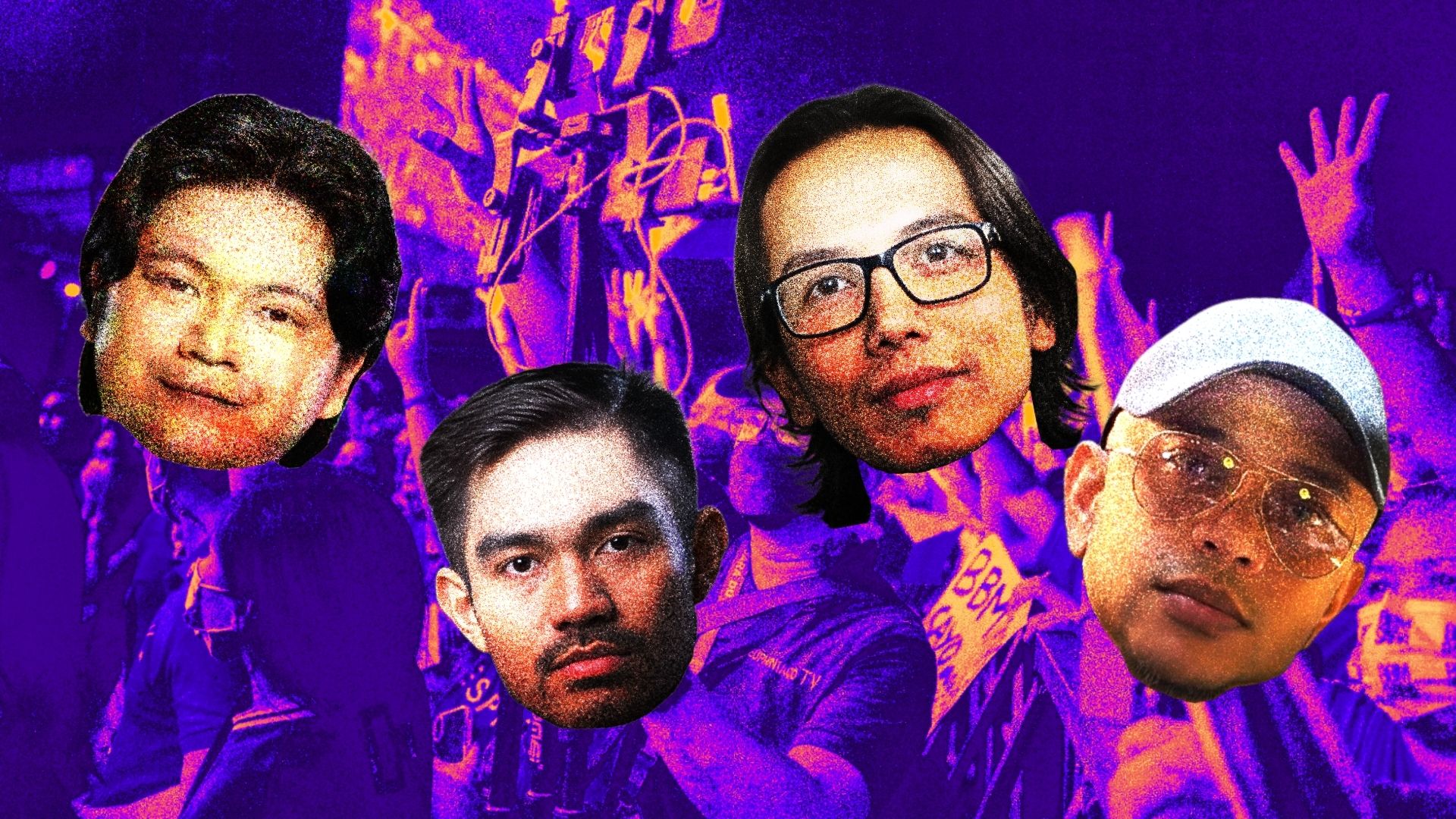
In the digital age, political discourse is no longer shaped solely by traditional media and official campaigns; instead, it is increasingly influenced by online voices such as political bloggers. With their ability to reach millions instantly, shape opinions, and frame narratives, these individuals have become powerful catalysts in the political landscape.
As the 2028 national elections approach, the growing presence of political bloggers raises an important question about how much influence they truly hold over voters’ decisions and democratic outcomes.
Media Consumerism
This shift becomes more important when looking at how Filipinos consume information.
In a study entitled “Role of Social Media in the Political Landscape and Voting Decisions of Gen Zs in the Philippines,” it was found that out of 90% of the population active on social media — 81% were from the youth who prefer social media as their main platform and source of information.
With this, political bloggers are no longer just commentators. They have become influential voices that alter how viewers think, feel, and even vote.
Unlike traditional media, they communicate in a more personal and persuasive tone, often framing issues in a more personal that can strongly impact public opinion and voter behavior.
It was also found that influencers nowadays don’t just talk about politics but actually act as:
- Advertisers for campaigns
- Endorsers for candidates
- Volunteers spreading message
- Sometimes stand as “informal journalists”
While they can encourage political engagement and bring attention to underreported issues, they also raise concerns about bias and the spread of misinformation.
This makes it important to ask whether they are helping voters make informed decisions or simply influencing them through selective narratives. Ultimately, their impact depends not only on the content they produce but also on the information they consume.
Rise of stars
With emerging social media platforms such as Facebook and TikTok, these bloggers are now given more space to share their content and reach other parts of the Philippines.
However, what looks natural in these platforms aren’t always organic.
In the 2022 elections it was estimated that around P600 million to P1.5 billion was spent on political influencers to persuade supporters to vote for specific candidates.
Moreover, 1,425 influencers were involved in the said campaigns.
Among those candidates who benefited from this system is President Ferdinand “Bongbong” Marcos Jr., who is believed to have spent around P351 million across platforms during his campaign in the 2022 presidential race.
One of the dangers these political bloggers pose to the masses is their close affiliation with other candidates. This factor exposes their followers to a one-sided perspective, which over time reinforces biases and limits critical thinking, especially for older generations who are chronically online and get easily misinformed.
When content feels personal and relatable, people are less likely to question it — making it even more concerning with the rise of Artificial Intelligence, as fake or manipulated content becomes easier to produce and harder to detect
And during election periods, this becomes dangerous — because the decisions made carry long-term consequences and impact the whole country.
A never ending maze
Political bloggers will significantly influence the Philippine elections, and their impact is double-edged.
While they can encourage political awareness and civic engagement, they also pose risks to informed decision-making if their content lacks accuracy and accountability.
Given their massive platforms, clear affiliations, and role in spreading both information and misinformation, these bloggers are undeniably shaping the political landscape. Their influence cannot be ignored.
They are not just part of the conversation anymore — they are shaping it. And in many cases, they are shaping it faster than traditional media can keep up.
As digital platforms continue to dominate how people consume media, the responsibility does not only fall upon those bloggers but also upon the audience themselves. Voters must also learn to question, verify, and think critically about the content they encounter.
Digital Kingmakers
Ultimately, the future of the 2028 national elections will not only depend on the candidates and policies, but also on how information is perceived.
Political bloggers may have the hands of influence and choose not to vote, but they hold millions who can.
And that’s what makes them silent yet powerful players in shaping the nation’s democratic future.