









Now Reading: DON’T BE SHELLFISH, SAVE THE TURTLES: Understanding the threats turtles faces and how we can help
-
01
DON’T BE SHELLFISH, SAVE THE TURTLES: Understanding the threats turtles faces and how we can help
DON’T BE SHELLFISH, SAVE THE TURTLES: Understanding the threats turtles faces and how we can help

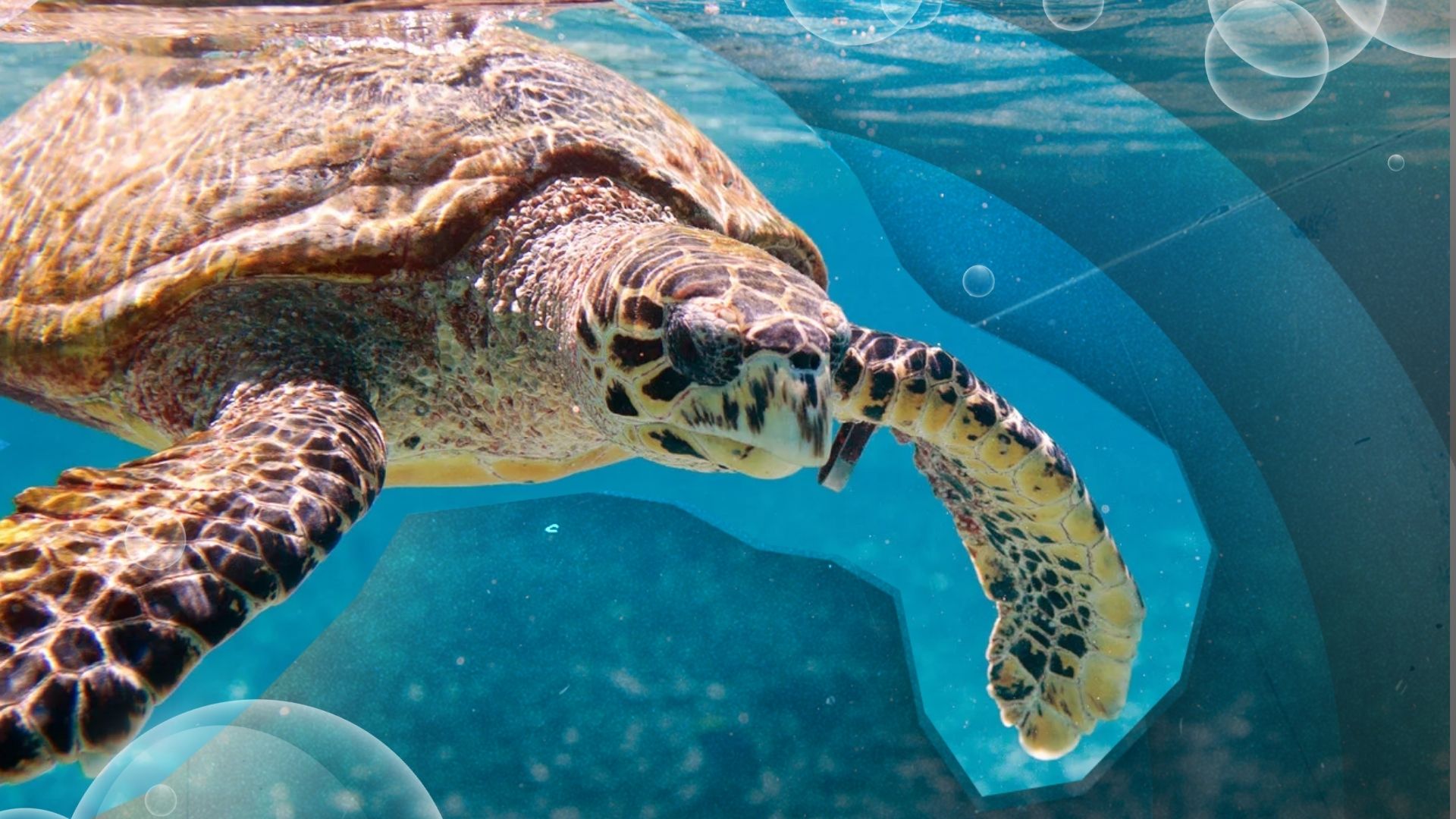
This 23rd of May, we have some special friends to celebrate that are also in need of our help protecting their kind.
Like prehistoric relics, turtles have been around the world for over 220 million years. Their species have been here long enough to witness the massive changes in our world, even before dinosaurs existed.
However, as centuries go by, their biggest threats don’t come from nature anymore — but from human activity.
WORLD TURTLE DAY
Founded by the American Tortoise Rescue in 2000, World Turtle Day is an annual observance that celebrates the species of turtles. It aims to spread awareness about the importance of protecting turtles and tortoises, their habitats, the threats that they are facing, and encourage people to take meaningful action in preserving these special creatures.
May 23 was picked especially as the date of this very important observance because it is the peak of nestling for most turtle species in the Northern Hemisphere. It is also the time when these animals are most seen — and most vulnerable.
OUR SLOW, GENTLE FRIENDS
Turtles are very important in the environment. They maintain balance in the ecosystem and help different creatures in their habitats to thrive.
According to the Olive Ridley Project, sea turtles act as vital ecosystem engineers by maintaining the structure and dynamics of marine ecosystems: they graze on seagrass beds and prevent it from overspreading which would otherwise suffocate the seafloor and disrupt oxygen levels.
Meanwhile, some of their species like the Hawksbill turtle keep coral reefs healthy by eating sponges that destroy these important marine creatures.
Additionally, when turtles lay eggs on the beach, they leave nutrients that nourish the surroundings, along with the different wastes that come from what they consume.
They also serve as one of nature’s quiet carriers that links oceans and shorelines by transporting nutrients in every nestling journey they make.
Generally, since they are sensitive to pollution, turtles are a great indicator that an ecosystem is healthy.
TURTLES UNDER THREAT
Though, however gentle turtles may be, and despite being one of Earth’s oldest survivors, they are in grave danger as many of their species are currently facing the threat of extinction.
Data from Britannica states that there are about 356 species of turtles living with only seven being sea turtles, namely: Flatback, green, hawksbill, leatherback, loggerhead, and olive ridley.
The Philippines, being a biodiverse hotspot, houses five of seven sea turtle species: the green turtles, hawksbill, olive ridley, leatherback, and loggerhead. Though all of these species are listed on the International Union for Conservation of Nature Red List, meaning they are endangered, not only in the Philippines, but in the whole world.
Much like the five sea turtles species nestling in the Philippines, more than half of all turtle species are endangered or critically endangered, and belong to the same list.
And similarly to other endangered animals in the world, the reason these gentle creatures are mostly disappearing is because of human activities, with The State of the World’s Sea Turtles naming fishery, coastal development, pollution, illegal trade and hunt, and climate change as the major threats to turtles.
HOW CAN HUMANS HELP?
With humans being the main culprit for their dire situation, it is also humans that must make it right.
Being informed is the first step in making a difference, by spreading awareness through any form, more people will notice the turtles’ plight.
Under the Philippines’ Republic Act 9147, also known as the Wildlife Resources Conservation and Protection Act, all native turtle species are protected and must not be sold, traded, consumed, or kept as a possession without permits.
Hence, if you see a local store or resident selling a turtle without permit, immediately contact local authorities or the Department of Environment and Natural Resources and report the situation.
Similarly, if you see a turtle roaming in the wild, do not attempt to capture them as every native turtle must stay in their natural habitat to prevent population decline.
In our everyday life, we can also help, not only the turtles, but the environment as a whole by reducing plastic use and pollution, and practicing proper waste disposal.
To go the extra mile, you can donate to organizations that perform conservation efforts to save the turtles and prevent their extinction, or further, you can join them as a volunteer and participate in their campaigns.
Turtles are not just simple animals, they are reminders of life on Earth — creatures that roamed this planet long before humans did. By saving them, we also help preserve the balance of the world that we live in.