











Now Reading: Ocean warming could mean fewer fish in the future, NASA study finds
-
01
Ocean warming could mean fewer fish in the future, NASA study finds
Ocean warming could mean fewer fish in the future, NASA study finds

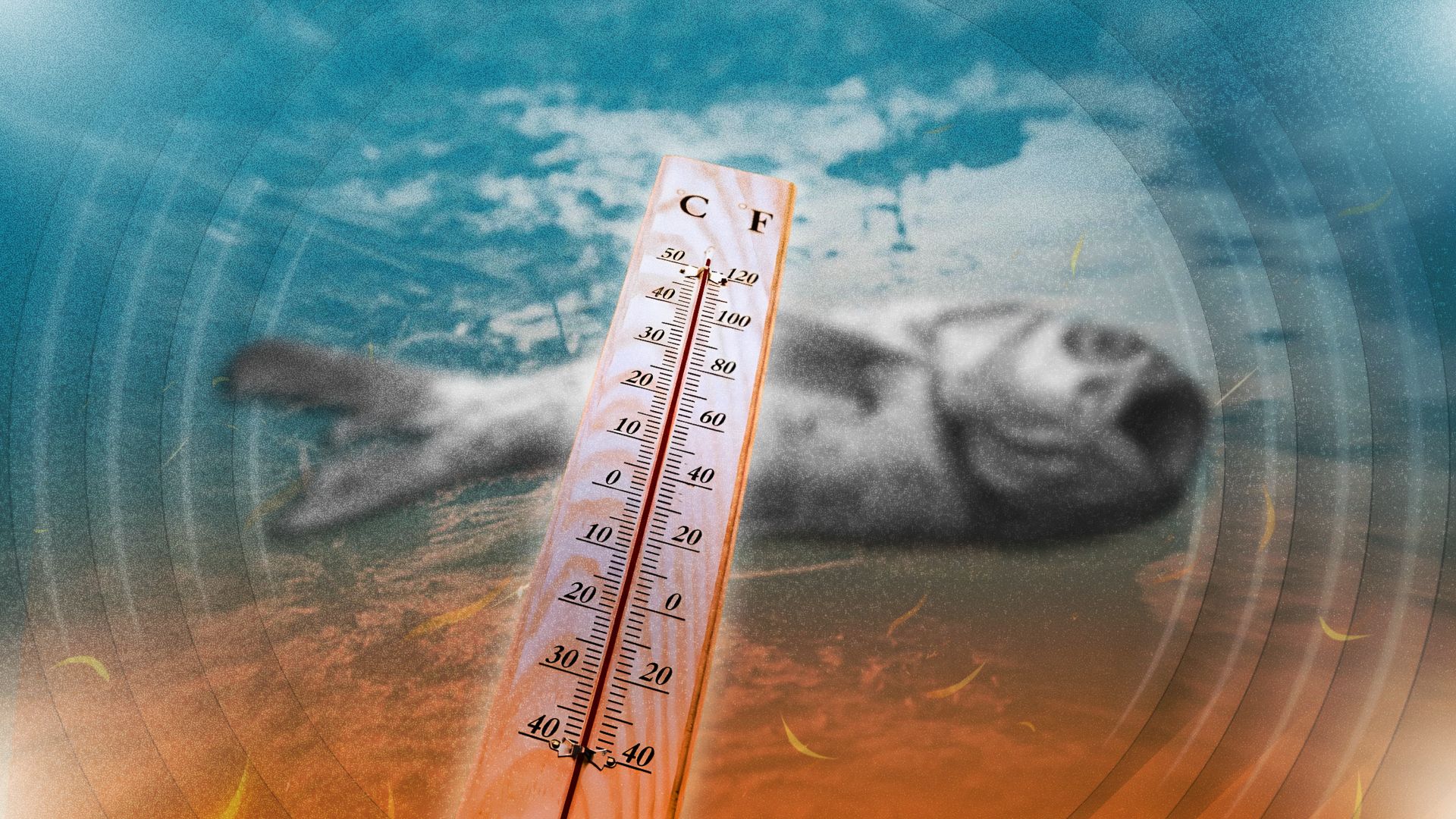
A study utilizing NASA satellite data and genetic analysis has found that warming oceans are restricting nutrient availability across the global ocean, which severely stresses marine microorganisms.
Published in Science Advances, the research tracked the condition of phytoplankton, which form the vital foundation of all marine food webs.
Researchers mapped this environmental strain by tracking changes in the carbon-to-chlorophyll ratio of these microorganisms from space and saw that when chlorophyll drops relative to carbon, the plankton are suffering.
“As our ocean continues to change, the ability to observe and track ocean conditions through sustained, high quality remote sensing observations has never been more important,” explained Laura Lorenzoni, Program Scientist for NASA’s Ocean Biology and Biogeochemistry Program.
The study revealed that between 2002 and 2021, average sea-surface temperatures increased across nearly 90% of the ocean area examined, severely intensifying nutrient shortages in the upper ocean layers.
“When the surface of the ocean warms, it generates this very stable situation where a layer of low-density water sits on top of higher-density cold water,” stated study coauthor Adam Martiny, an oceanographer at the University of California, Irvine.
This layering blocks the upward flow of nutrient-rich water and creates a severe nutrient depletion that is heavily aggravated during cyclical El Niño events that lead to warming waters in the Pacific Ocean.
Researchers say continued satellite monitoring is essential to track how warming oceans are reshaping marine ecosystems and to better understand the long-term consequences for coastal communities and global food security.
Ripple effect on Filipino fisherfolks
This global phenomenon strikes a devastating blow to small-scale Filipino fisherfolks who are already considered among the poorest and most vulnerable sectors in the country.
Because phytoplankton form the foundational base of the ocean food web, their decline triggers a catastrophic collapse that disrupts the entire marine food chain.
When plankton populations plummet, vital small pelagic fish like sardines lose their primary food source, causing Philippine fish production to decline by an estimated 8% to 12% during severe warming cycles.
The crisis is worsened by severe weather patterns like El Niño, which further suppress the upwelling of nutrients and cause high-value species like tuna to migrate eastward, completely out of reach of municipal fishing boats.
El Niño is a climate phenomenon characterized by unusually warm sea-surface temperatures in the central and eastern Pacific Ocean. In the Philippines, it often brings hotter temperatures, droughts, and changes in ocean conditions that can disrupt fisheries, lower marine productivity, and threaten the livelihoods of coastal communities dependent on fishing.
Furthermore, because phytoplankton generate half of the planet’s oxygen, their nutrient-induced suppression severely lowers dissolved oxygen (DO) levels in the water.
This loss of oxygen, compounded by warming waters that naturally hold less gas, forces a suffocating “habitat compression” that results in massive fish kills and drives fish further into dangerous, deeper waters.
Consequently, local fishers suffer from drastically lower incomes and are forced to travel farther distances at higher costs and safety risks to find a catch.
Furthermore, because marine phytoplankton generate a massive portion of global oxygen, their widespread nutrient starvation under global warming cycles threatens to severely exacerbate the overall degradation of the Philippine ecosystem.
To mitigate these immediate losses, experts point out that coastal communities urgently need participatory action planning workshops to map out localized adaptation solutions.
Greater resilience against a rapidly warming climate will require protection of critical ecosystems, an end to destructive coastal development, restoration of mangrove forests, and modernization of fishing fleets through more energy-efficient vessels. These measures can help small-scale fisheries sustain marine resources and secure livelihoods for future generations.