



Now Reading: Stories, Struggles, Strength: Queer Talks claims space at ANIMO PRIDE 2026
-
01
Stories, Struggles, Strength: Queer Talks claims space at ANIMO PRIDE 2026
Stories, Struggles, Strength: Queer Talks claims space at ANIMO PRIDE 2026

Some stories were told—stories of survival, self-discovery, resistance, and hope. Yet somewhere between the lines, queer Filipinos have long been telling their stories before laws were being debated in Congress and before representation reached the classrooms, television screens, and any platforms for their narratives to be heard.
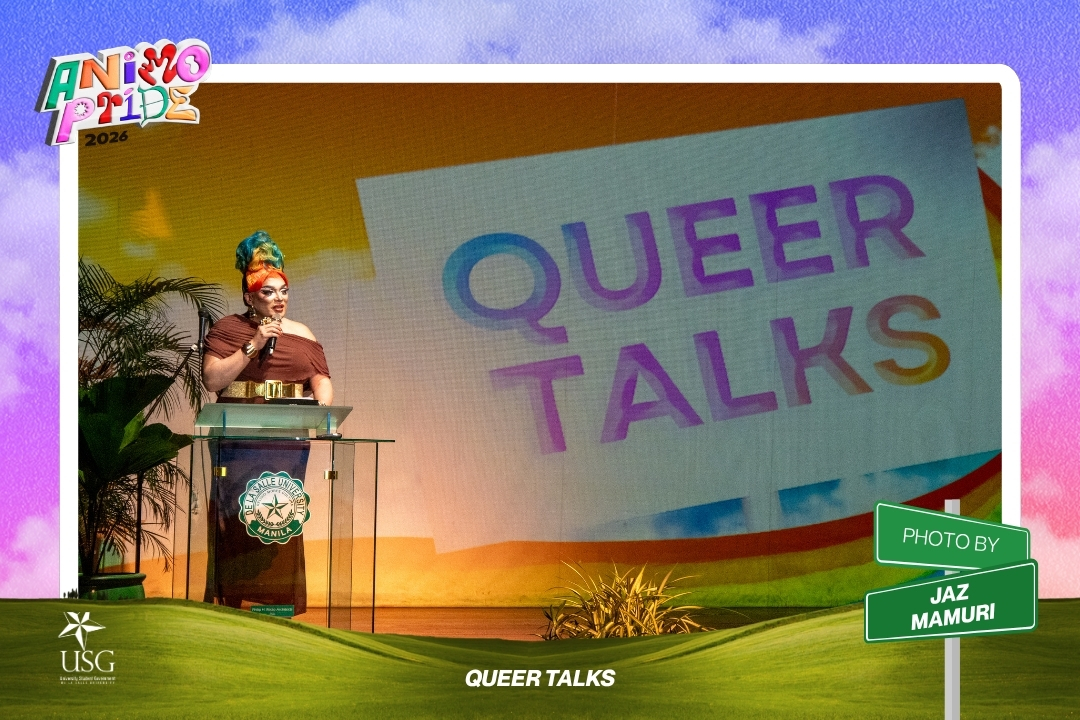
To give spotlight to the queer narratives in public discourse, ANIMO PRIDE 2026 staged Queer Talks, gathering prominent LGBTQIA+ leaders, advocates, and artists at Natividad-Fajardo Auditorium of De La Salle University (DLSU) on June 10.
Scrutinizing how queer Filipinos traverse identity, economic realities, social expectations, digital cultures, and creative expression in contemporary Philippine society, the event was more than a forum on gender and sexuality as it transformed personal journeys into public conversations.
To discuss the opening discourse of The Untold Reality of Being a Lesbian in the Philippines, ASEAN SOGIE Caucus Board Chairperson and Co-Founder Ging Cristobal unpacked the often-overlooked realities of lesbian Filipinos in her talk.
Highlighting the unique struggles lesbians continue to face in seeking recognition and representation, Cristobal reflected on growing up queer in a society where gay men frequently receive greater visibility in mainstream media and public conversations.
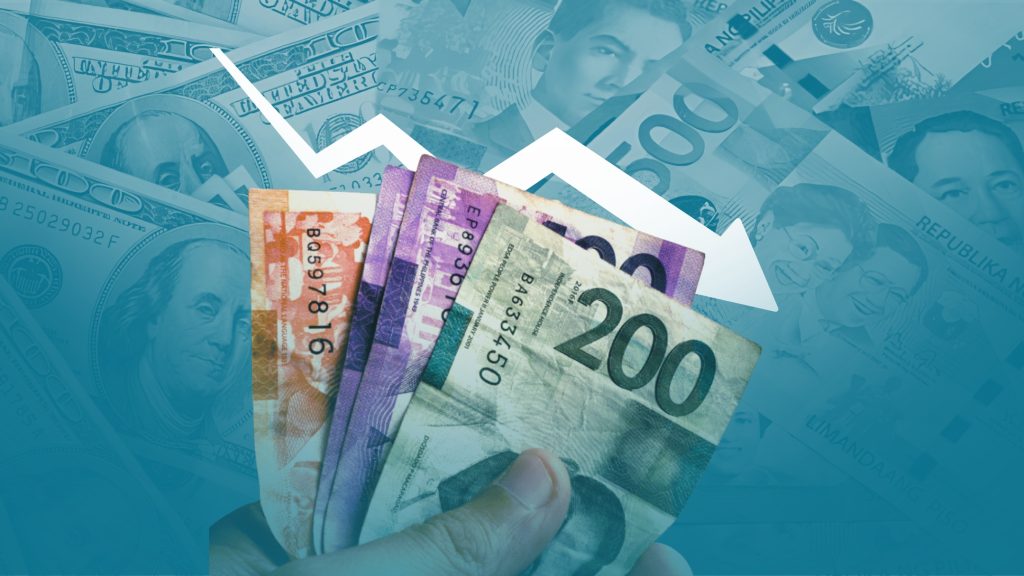
The discussion then shifted from identity to economics as the National Spokesperson of Bahaghari Yell Teresa examined how inflation and taxation policies shape everyday realities for Filipinos through the talk VAT Ganern?
By underscoring how economic burdens can compound existing forms of social vulnerability, Teresa connected the rising prices to the lived experiences of LGBTQIA+ workers and students.
Meanwhile, a more personal dimension was gained during the conversation as the President of the Lasallian Diversity and Inclusivity Society and Ms. DLSMHSI 2025 Audrey Bayani shared her transition journey in her talk, Banyuhay: Transitioning as a Renewal of Life.
Portraying transition not as a singular milestone, Bayani recounted the struggles and breakthroughs that accompanied her pursuit of authenticity as a continuing process of growth, self-acceptance, and empowerment.
Whilethe previous discussion revolvedon personal and structural realities, another session turned the attention to the digital spaces where today’s queer discourse unfolds.
Through What Queer Trends Reveal About Us, DLSU professor and non-government organization consultant Rodmar Eda analyzed online trends that shaped LGBTQIA+ communities.
Eda explored how social media can cultivate belonging while also reinforcing expectations and norms that may unintentionally limit inclusivity within queer spaces.
For many attendees, the talks resonated because they reflected realities often absent from mainstream narratives.
Although each speaker approached a different aspect of queer life, their stories converged on a shared truth: identity is deeply intertwined with the social, economic, and cultural conditions in which people live. That crossroad became even more evident as advocacy met artistry during the forum’s closing sessions.
During the forum, How To Rule Your Life Like A Queen, global drag artist, podcast host, and Chief Executive Officer of The Playhouse Eva Le Queen discussed building a career in drag, drawing from her experiences in the entertainment industry.
She highlighted how visibility, confidence, and community-building have enabled queer artists to create opportunities and carve out spaces once unavailable to them.
The forum unfolded against the backdrop of continuing calls for stronger LGBTQIA+ protections and broader representation in the Philippines, where advocates have long pushed for comprehensive anti-discrimination measures and greater recognition of diverse identities.
Queer Talks offered more than a platform for speakers. It created a space where experiences often pushed to the margins could be shared openly, examined collectively, and understood beyond stereotypes.