







Now Reading: Aeta community calls for accountability over Zambales forest dumpsite
-
01
Aeta community calls for accountability over Zambales forest dumpsite

Marcos Jelo Apolinaro
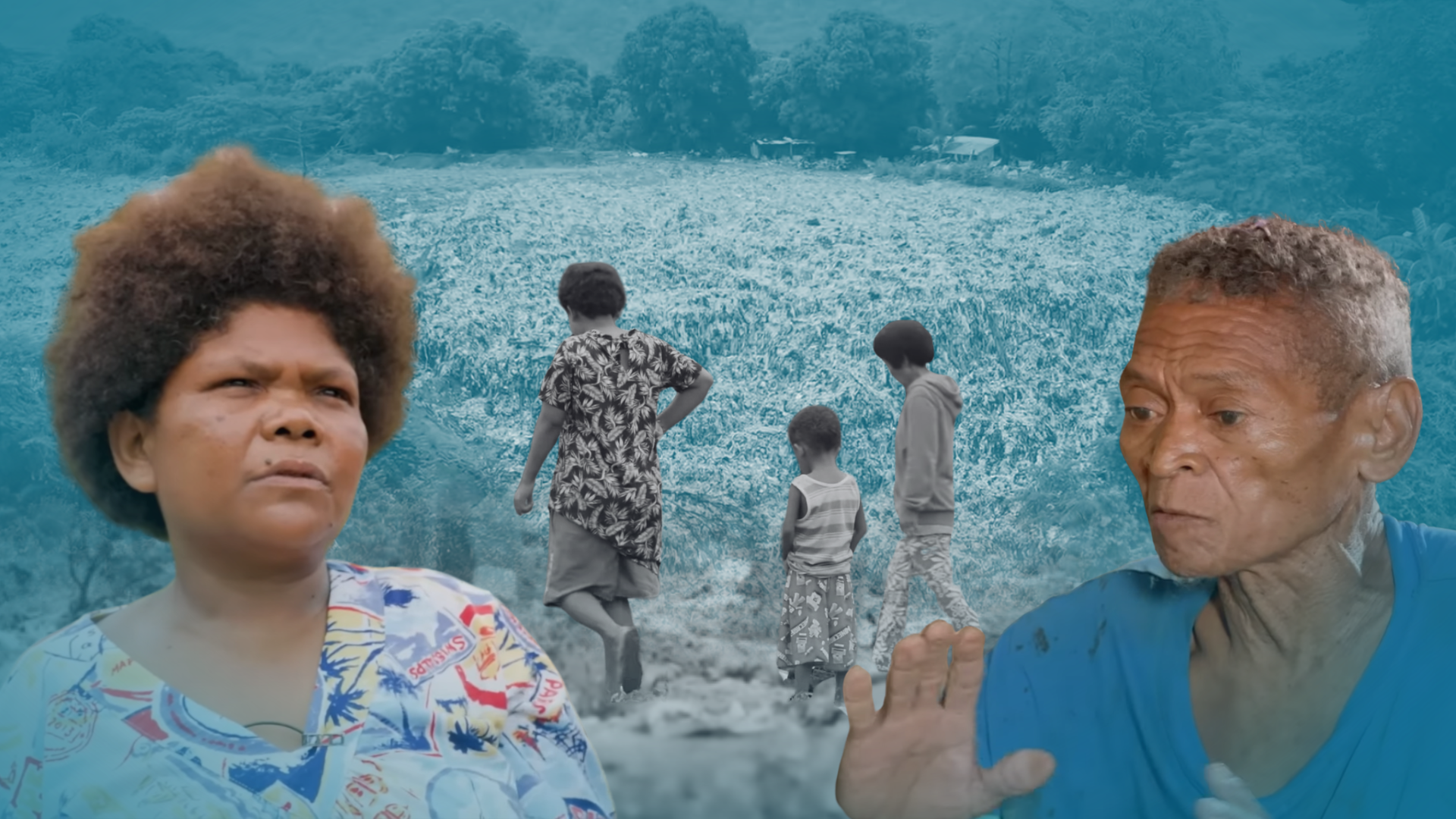
Members of an Aeta community in Sitio Tibag, Barangay Naugsol, Subic, Zambales are calling for accountability after a documentary revealed that a temporary dumpsite established by the local government within their ancestral area has caused years of environmental damage and displacement.
Public attention to the issue intensified after being featured in Kara David’s I-Witness documentary, Ibinasurang Paraiso, which reported that the Subic local government began using a portion of the forest as a temporary dumpsite in 2019.
According to the documentary, the Aetas initially welcomed the construction of an access road, believing it would make travel to and from the market easier. Instead, garbage trucks began unloading waste near their community, including hospital waste during the COVID-19 pandemic.
Residents said they had been assured that the site would be properly managed through protective liners, regular soil cover, and containment measures to prevent contamination.
The residents reported that the area eventually became covered with waste and was plagued by foul odors and swarms of flies, while the brook they previously relied on appeared to become contaminated.
Several Aeta families were forced to relocate their homes and small farms to avoid odor and other health and environmental concerns brought about by the accumulated waste.
Subic Municipal Engineer Marial Del Castillo said the local government selected the area because it appeared isolated and believed no community lived there.
Mary Grace Molina, officer-in-charge of the Municipal Environment and Natural Resources Office (MENRO), also said the local government was unaware that the area was inhabited and that the project would not have proceeded had officials known an indigenous community resided there.
The documentary, however, showed that the dumpsite is located within the Aeta’s ancestral domain, protected under Republic Act No. 8371 or the Indigenous Peoples’ Rights Act (IPRA).
Documents obtained by I-Witness also showed that the Department of Environment and Natural Resources (DENR) discovered the dumpsite in January 2022 and determined that it violated Republic Act No. 9003 or the Ecological Solid Waste Management Act, which prohibits open dumpsites, ordering the Subic local government to close and rehabilitate the site.
According to the documentary, operations ceased in October 2025 after members of the Aeta community formally raised their complaints.
Former Aeta chieftain Virgilio Delos Santos said the community had already raised concerns in 2019 but claimed they were later approached by local officials. He said the community later accepted a monthly payment of ₱10,000, believing the project would proceed regardless of their objections.
The Subic local government denied entering into such an agreement but acknowledged responsibility for what had occurred and said it is preparing reparations for the affected community.
The local government also said it faces financial constraints in rehabilitating the site.
Del Castillo said engineering estimates place the rehabilitation cost at 78 million pesos, prompting the municipality to seek funding assistance from the Department of Public Works and Highways (DPWH).
Instead of excavating the buried waste, the local government said it plans to contain the site by covering it with soil and installing vents to minimize the spread of contamination.