









Now Reading: DOLE issues guidelines on compensation for work-related heat illnesses
-
01
DOLE issues guidelines on compensation for work-related heat illnesses
DOLE issues guidelines on compensation for work-related heat illnesses

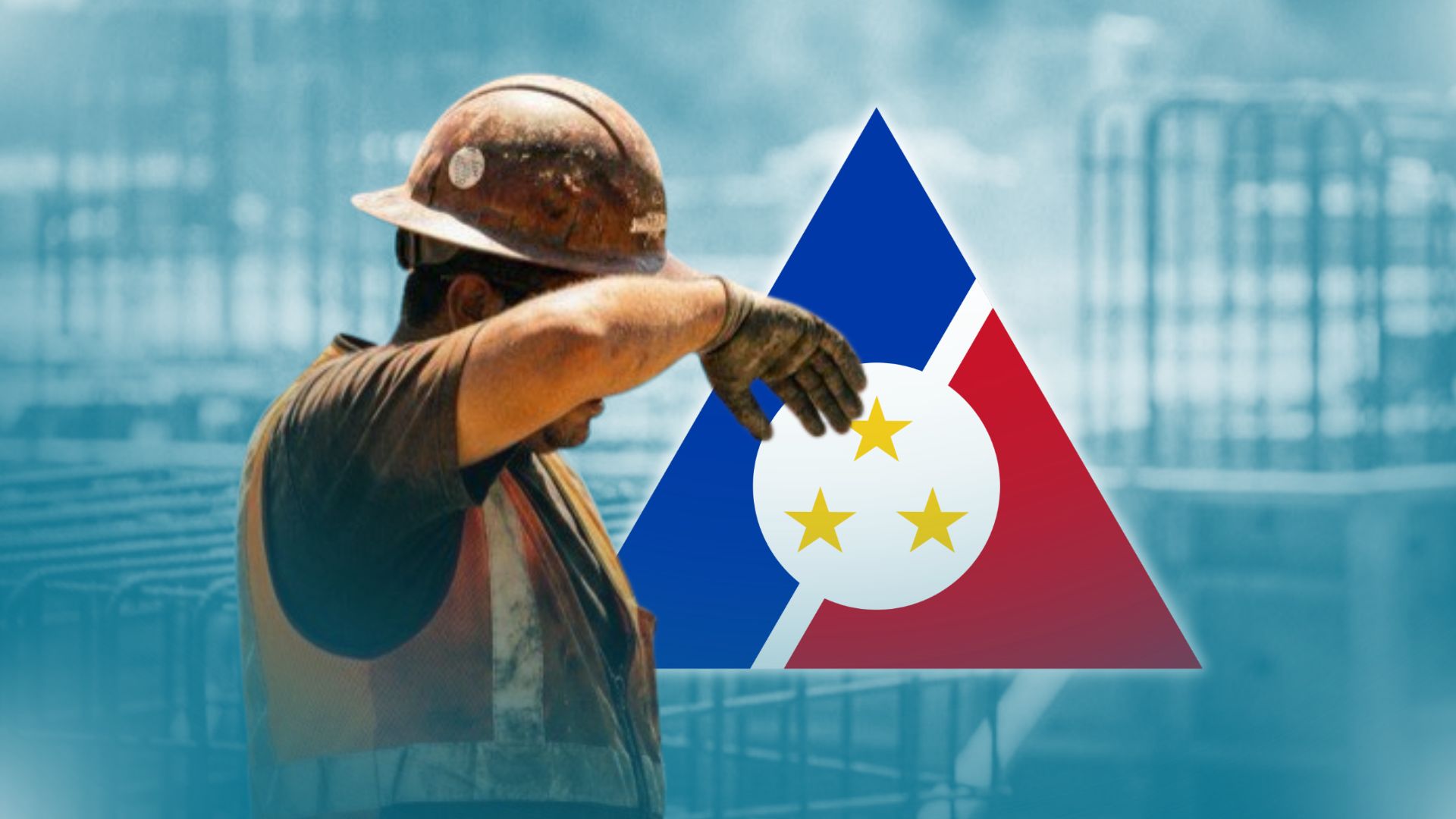
The Department of Labor and Employment (DOLE) has issued new guidelines clarifying compensation for work-related heat illnesses because of the threat of Super El Niño and other periods of extreme heat.
In line with the government’s directive for protection to workers’ safety, health, and welfare, President Ferdinand Marcos Jr. signed the Presidential Decree No. 626, amending the Republic Act No. 11058, also known as the Occupational Safety and Health Standards Law.
According to DOLE, the guidelines cover indoor and outdoor workers in the private and public sectors who are covered by the Employees’ Compensation Program (ECP) through the Social Security System (SSS) or the Government Service Insurance System (GSIS) and are exposed, or may reasonably be expected to be exposed, to excessive heat at work.
Workers can now receive compensation for a wider range of heat-induced conditions identified by the World Health Organization (WHO) and the World Meteorological Organization (WMO) Joint Report on Heat Stress in 2025, including bungang araw or heat rash, dehydration-linked kidney damage, heat syncope or fainting, neurological disorders, and muscle injuries, alongside already covered illnesses like heat stroke.
The department also noted that workers can still claim benefits for unlisted heat illnesses if they can prove their working conditions directly increased their risk of getting sick.
To determine whether an illness is work-related, authorities may consider the worker’s job duties, workplace conditions, duration and intensity of heat exposure, protective equipment, and preventive measures. PAGASA heat index classifications may also serve as supporting evidence of workplace heat conditions.
Employers are mandated to track all instances of workplace heat illnesses and actively help affected employees or their families file for state compensation.
DOLE also reported that to support a claim, companies must maintain proper occupational health records, work schedules, temperature logs, and witness statements, while ensuring all required Work Accident or Illness Reports are submitted
The Employees’ Compensation Commission (ECC) and DOLE regional offices will lead the information drive and provide technical guidance to ensure unions, workers, and health committees cooperate in preventing heat risks.
Inside the Labor Advisory No. 19, Series of 2026, DOLE tackled the outline of the new compensation program, establishing clear rules for preventing, documenting, and reporting occupational heat-related illnesses.
The advisory was issued pursuant to ECC Board Resolution No. 26-10-40, Series of 2026, which addresses the compensability of additional illnesses associated with extreme heat under the ECP.