






Now Reading: SunStar ex-EIC: ‘Chilling effect on press freedom’ after surrender arrest, bail
-
01
SunStar ex-EIC: ‘Chilling effect on press freedom’ after surrender arrest, bail
SunStar ex-EIC: ‘Chilling effect on press freedom’ after surrender arrest, bail

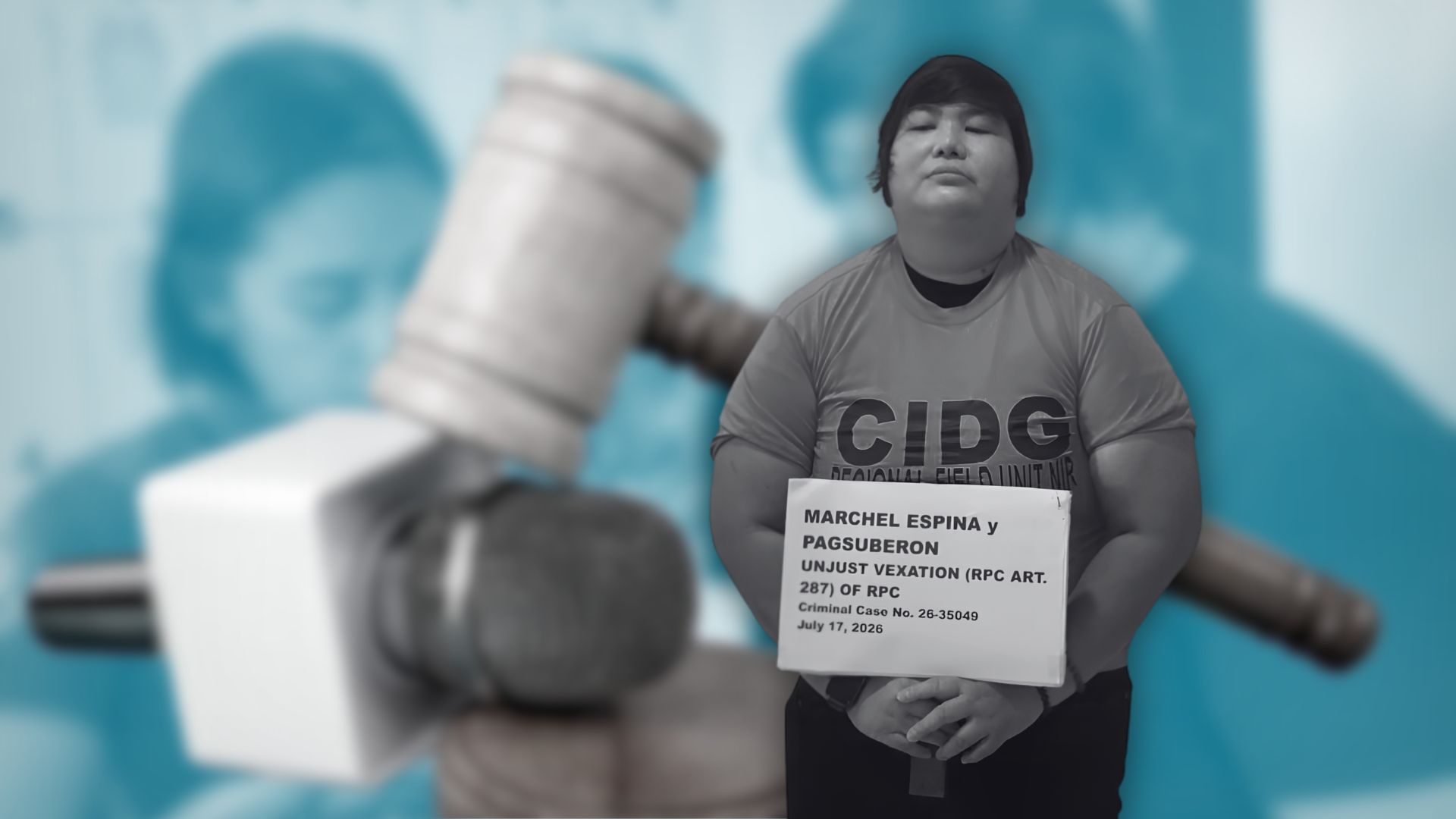
Former SunStar Cebu and SunStar Bacolod editor-in-chief, who voluntarily surrendered before the authorities over an unjust vexation case in Bacolod City on Friday, July 17, said she chose to submit herself to authorities out of respect for the country’s legal system.
However, for Marchel Espina, the criminal complaint filed against her goes beyond the legal case itself, warning that prosecuting journalists over their editorial duties could have a “chilling effect” on independent journalism.
“As a journalist, I believe this case raises important concerns about the use of criminal complaints against journalists and editors in relation to their work. I also believe it has a chilling effect on press freedom,” Espina said in a statement posted on Facebook after posting bail.
She added, “Journalists and editors should never be intimidated or silenced for carrying out their professional duties in good faith.”
“While every person has the right to seek legal remedies, the legal process should never be used to discourage independent journalism and reporting in the public interest.”
This traces back to when the Batangas court issued an arrest warrant on July 13 for her and others in connection with an unjust vexation case stemming from an opinion piece the publication produced, filed by a local religious leader.
Espina presented herself at the Criminal Investigation and Detection Group (CIDG) Negros Island Region office on July 17 and later posted bail worth P6,000 at the Hall of Justice.
The local religious leader, Pedro Fajot Castillo, who filed the said complaint, reasoned that it caused him annoyance, irritation, distress, and disturbance over an opinion article entitled “Demonic Church Meddling in Politics”.
It was posted in SunStar Cebu and Journal Online in December 2024.
But Espina told Rappler that they did not write the said article, but rather it was a contributed article, and she was dragged to the filed case as she was the editor-in-chief at that time.
According to her, it was a form of threat to press freedom.
NUJP’s statement
The National Union of Journalists of the Philippines (NUJP), in a Facebook post, condemned Espina’s arrest.
The organization also claimed that Espina was denied due process, saying she was never furnished a copy of the complaint nor given the opportunity to submit a counter-affidavit before the warrant of arrest was issued.
“Espina was not afforded due process as she only learned about the warrant of arrest issued by a Batangas court two days ago,” the statement read.
“Espina, who is based in Bacolod City, had not been notified of the complaint and was not able to file a counter affidavit.”
NUJP argued that the complaint was meant to intimidate Espina and other journalists, saying it reflected a pattern of legal actions against members of the media who have scrutinized the religious group’s alleged political connections.
“The filing of criminal charges against truth-tellers has been a weapon of choice by the powers that be,” they said. “It is an indication of the rottenness of the justice system and the impunity that continues to undermine our so-called democracy.”
Despite the charges, Espina said she remains committed to responsible journalism and continues to support a free and independent press.