







Now Reading: The second time, I knew better
-
01
The second time, I knew better

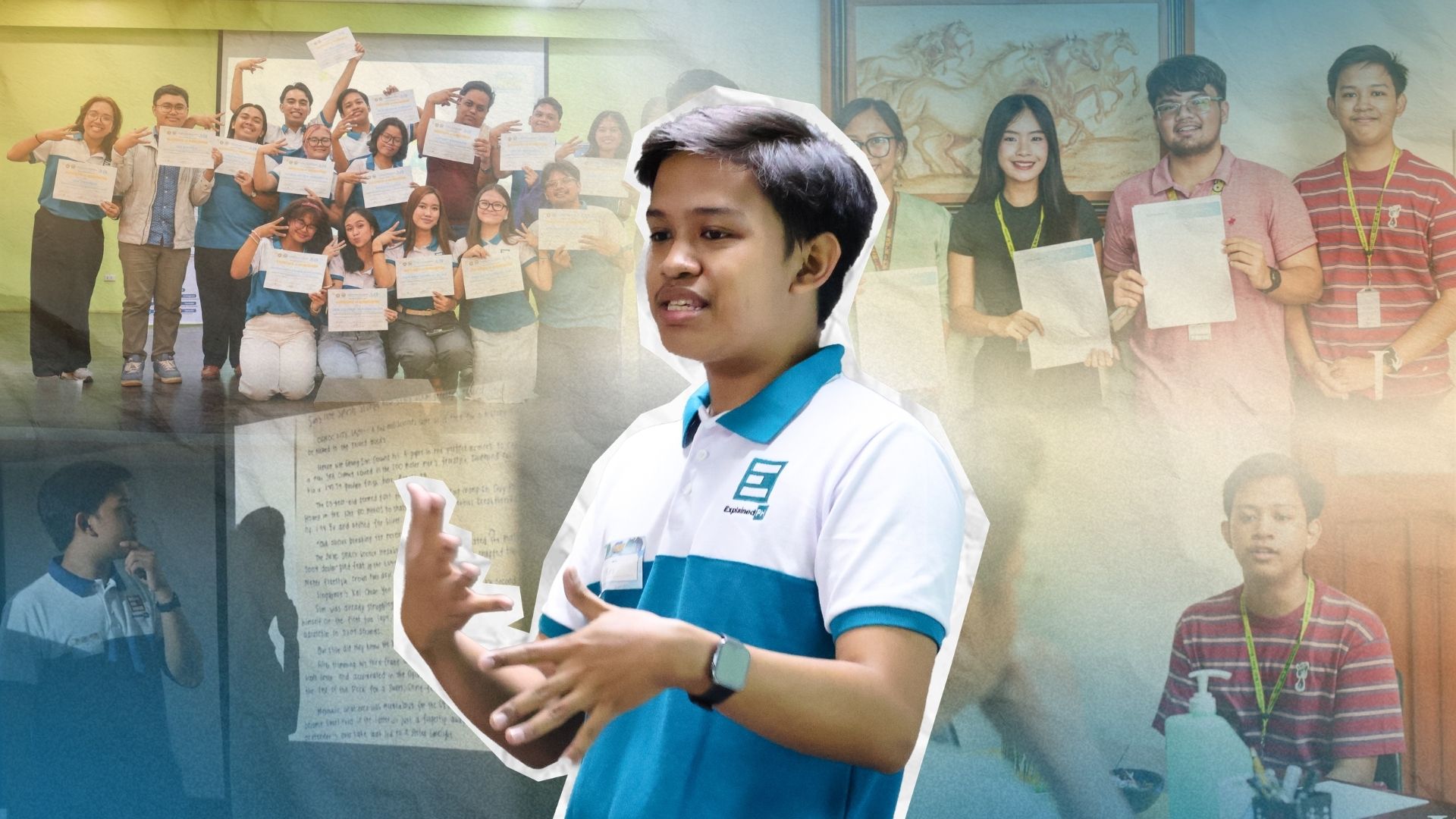
Who knew that my trauma for program management would suddenly come back, but this time, I was given the chance to rewrite how the story would end the second time around?
“Step down from your ivory towers to serve your communities.”
Back in my Senior High School days, this prominent saying has always lingered in my head long enough, coming from my seniors and my teacher. It felt like an obligation as a Humanities and asocial Sciences (HUMSS) student that public service is a must for us, that we should act upon it as we were the hope of tomorrow.
Eventually, I found myself putting that belief into action from an opportunity.
As I neared the end of my basic education, my classmates and I were greeted by a “final boss-like” dragon that spanned our entire year of our academic year: Community Initiative Outreach Program (CIAP). Through it, we had to create a sustainable program that addressed the needs of a particular community from proposal to actual implementation. The biggest challenge was never about creating the most unique program, but about surviving the long and demanding process of bringing it to life.
Along the way, my team created a journalism-based program designed to address the lack of civic awareness within the barangay while challenging the culture of “contest journalism” among student journalists. We wanted to show that journalism could go beyond competitions and the four corners of the classroom—that student journalists could use their voices to amplify the concerns of the society and the people they serve.
Yet everything didn’t end as planned.
Somehow, we survived the year, but failed to cross the bridge—we never got to bring our program to the community we intended to serve. It was disappointing to graduate knowing that, despite all the work we had poured into it, we had not been able to deliver the service we envisioned.
At the time, I saw it as a failure; I didn’t know then that it would eventually become the reason JournQuest felt like a second chance.
The summer days then came, and I found myself dedicating my time writing articles for Explained PH.
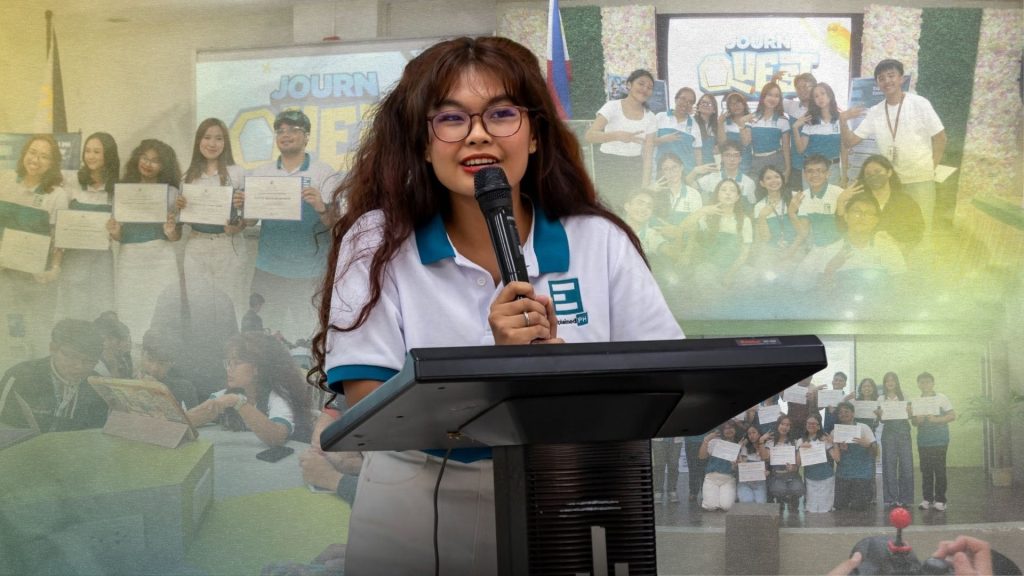
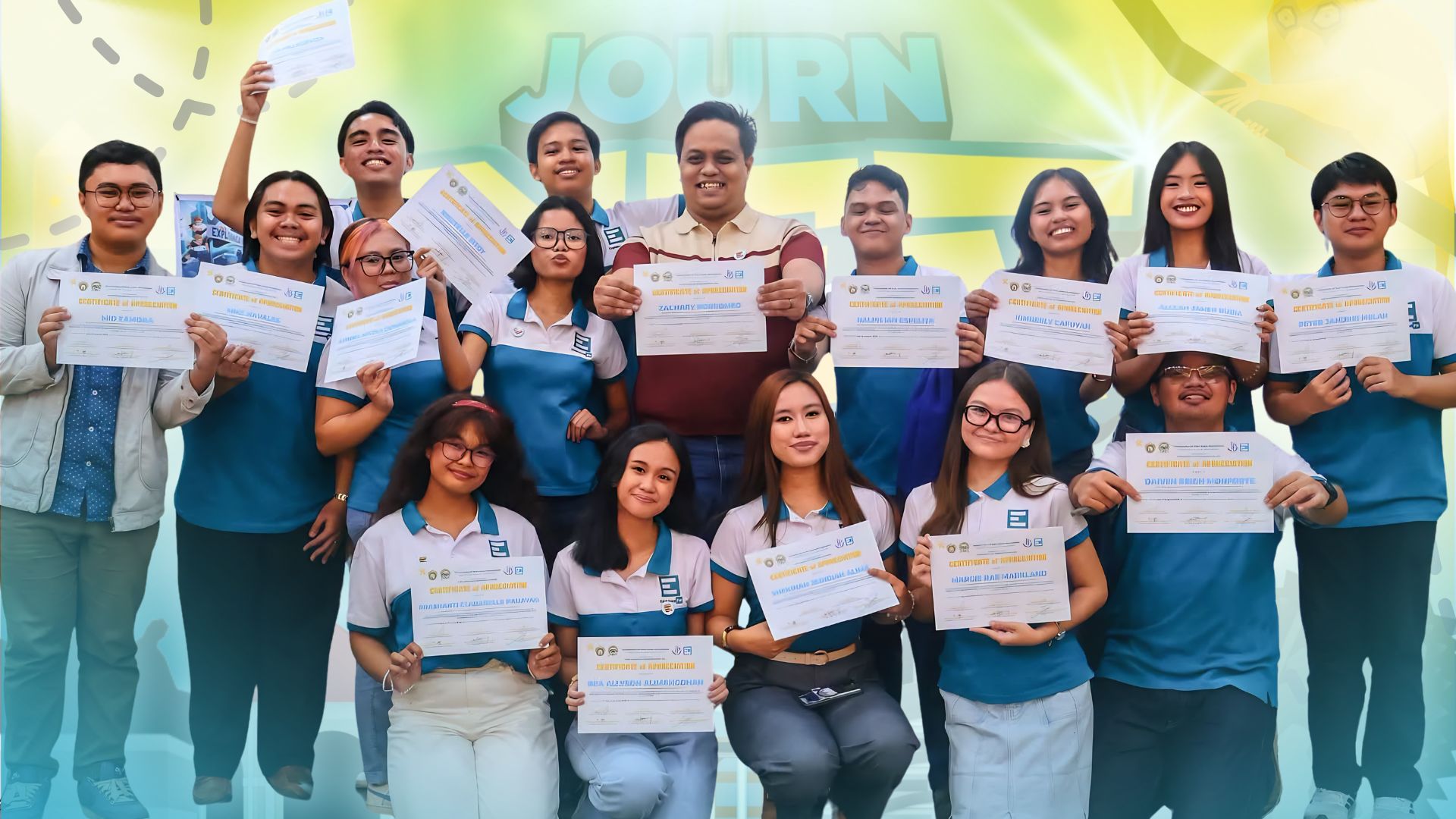
Until one day, I received a chat from our Cebu Bureau Chief, Alleah. She asked if my previous school publication, The Josenian Premier (TJP), could get to partner with Explained PH in hosting JournQuest in Cebu. From that conversation, I was already expecting that I will only serve as the communication between the organization and the school publication. Yet it went beyond.
That invitation felt like a subtle return to a chapter I thought I had already left behind. Of course, I accepted the challenge. Little did I know that Explained PH would offer me more than an opportunity to continue its journalism advocacy—it would give me a second chance to rediscover my leadership skills and my ability to manage a program.
And so there it birthed my second chance.
From processing formal letters and handling pre-implementation needs to addressing concerns between the organization, the school publication, and the participants, the whole situation felt like, “I think I’ve seen this film before.” But this time, it was just me and Alleah, along with Ate Aera handling it all, guided by our executives.
All throughout, the experience began to feel almost predictable—I found myself anticipating possible problems and preparing for every possible Plan A, B, or C. The routine became so familiar that even 4:30 p.m. felt like a warning, knowing it was time to ask the school publication for updates.
And sometimes, the updates came in forms I had already learned to expect:
“Kuya, wala pa na signan ang letter kay tungod…”
“Kuya, basin dili daw ni pwede kay…”
“Sorry kuya, basin ma delay ni tungod sa katong…”
There were times when I wished the overwhelming rush and panic in my chest would simply disappear. I poured out all my rants to Ate Jam in a relentless stream, but all I could do was count the days until D-day.
During the event itself, I felt like Hermes, darting across the premises in an effort to exceed the expectations set by the other bureaus during their own JournQuest. I was constantly checking in with the manpower committee, asking the speakers if everything was going smoothly, and inspecting the facilities to ensure everything was going according to plan.
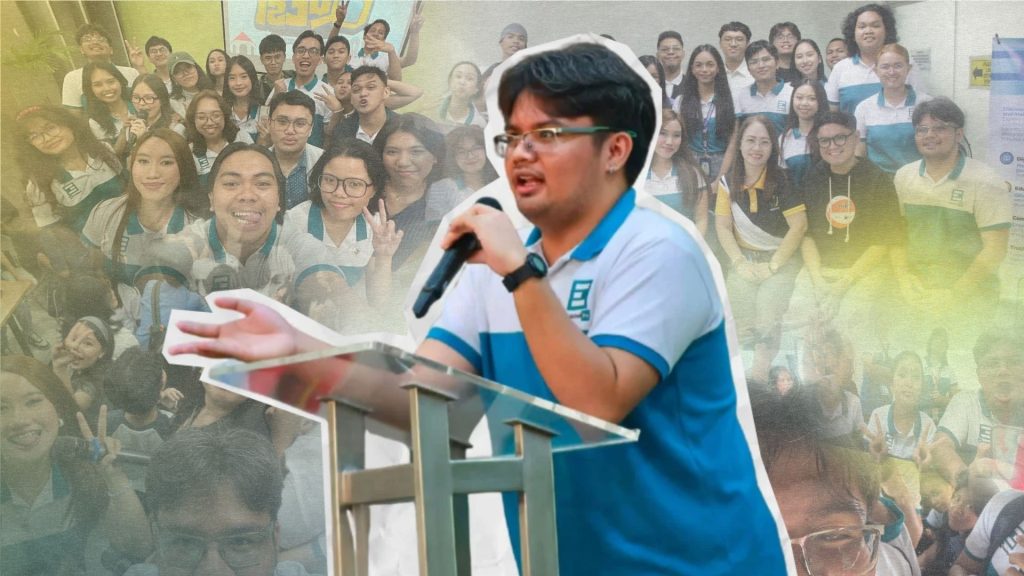
But beyond the planning, I also had the opportunity to deliver my lecture on Sports Writing alongside Kuya Peter, which was my “fun part” of JournQuest. It was my opportunity to share my story and my knowledge towards this category.
Being able to do all of these felt like finally checking off a box I had long yearned to fulfill. Through it all, Explained PH allowed me to become part of its growing advocacy for strengthening campus journalism. It was then that I realized second chances are not merely opportunities to try again—they are opportunities to grow, improve, and become better. Mine certainly was.