









Now Reading: In times of lost, JournQuest allowed me to find my purpose in an indifferent world
-
01
In times of lost, JournQuest allowed me to find my purpose in an indifferent world
In times of lost, JournQuest allowed me to find my purpose in an indifferent world


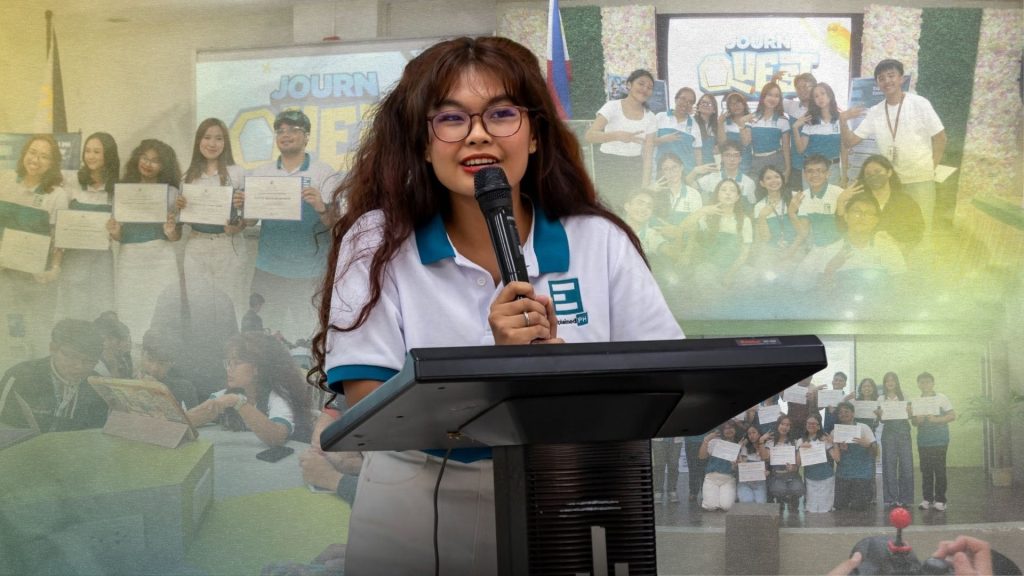
The nights I remember most are not the ones with applause or recognition. They are the quiet nights after meetings, when the group chats finally slow down, JournQuest documents remain open on my laptop, and I am left alone with everything that still needs to be done. Those moments often make me think about how a student from BARMM ended up leading the Davao Bureau of Explained PH and helping organize a nationwide Campus Journalism Caravan.
When I became Davao Bureau Chief, I felt proud of the opportunity, but I also felt out of place. Davao was not home, and there were moments when I wondered whether I truly belonged in that role. I worried about making mistakes, earning people’s trust, and proving that I could lead well despite coming from a different region.
JournQuest forced me to stop thinking about those questions and focus on the work itself.
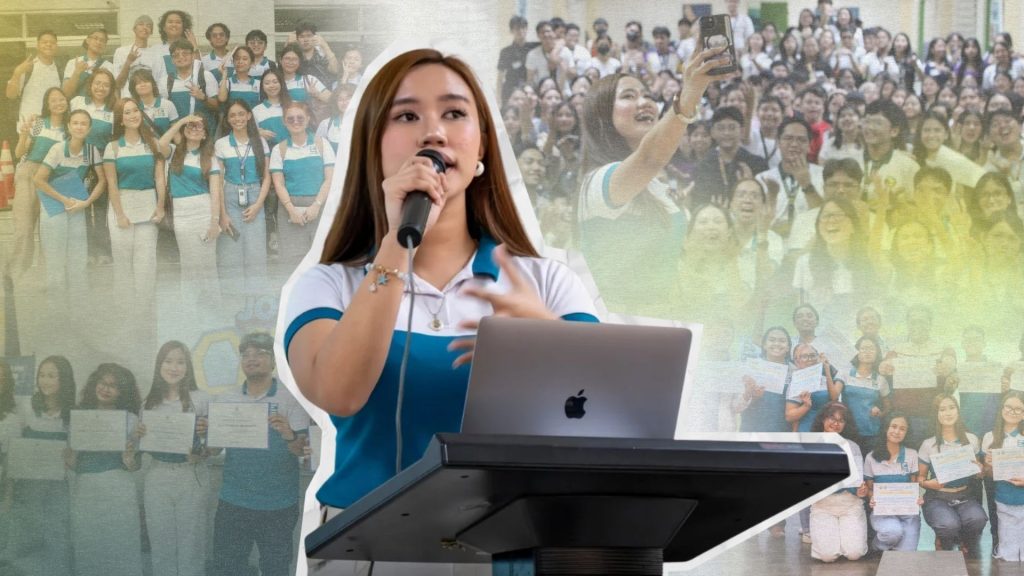
As one of the caravan’s core organizers, I expected most of my responsibilities to revolve around schedules, coordination, and logistics. Much of it did. We spent countless hours arranging sessions, communicating with campuses, and making sure programs ran smoothly. What stayed with me, however, were the conversations that happened after the sessions ended.
Students would approach us with questions about writing, reporting, and whether journalism was still worth pursuing when opportunities felt limited. Some came from schools with active publications. Others were trying to keep campus journalism alive with very little support. Their questions were often practical, but behind them was a shared concern about whether their work mattered.
One student asked me how journalists continue when the path ahead seems uncertain. I remember pausing because I did not have a polished answer. What came to mind instead was the reason we were there in the first place. Sometimes students do not need a perfect response. Sometimes they need someone willing to listen, share their experiences, and remind them that their voice deserves to be heard.
That realization changed how I viewed my role. Before JournQuest, I often associated leadership with having solutions ready for every problem. The more time I spent working with students and fellow organizers, the more I understood that leadership often looks less impressive than people imagine. It can mean listening to concerns, helping others find confidence in their abilities, or making sure quieter voices are not overlooked.
Balancing those responsibilities with school was not always easy. As an accountancy student, I spend much of my time working with numbers, checking details, and making sure records are accurate. During JournQuest, my days often shifted between academic requirements, bureau concerns, and caravan preparations. I would spend part of the day solving accounting problems and another part revising program plans or responding to organizational matters.
The contrast was striking. In accounting, most problems eventually arrive at an answer. Leadership rarely works that way. There is no formula that tells you whether you handled a conversation correctly or supported someone enough when they needed help. Many nights ended with unfinished tasks and the feeling that there was still more I could have done.
Living away from BARMM made those moments more difficult at times. Distance has a way of making you aware of what you miss. Yet it also taught me that identity is not something left behind when you move elsewhere. The values I learned growing up followed me into every meeting, every project, and every decision I made. If anything, serving in Davao strengthened my appreciation for where I came from.
What I value most from this experience is not the title attached to it. It is the people I met along the way. I think about the students who stayed after sessions to ask questions, the organizers who worked behind the scenes, and the young journalists trying to tell stories in communities that are often overlooked. Those interactions shaped my understanding of service more than any leadership position ever could.
I hope the Davao Bureau continues to be a place where young journalists feel welcome and supported. I hope Explained PH keeps reaching students beyond major urban centers, including those whose experiences are rarely part of larger conversations. Most of all, I hope more student journalists gain the confidence to tell stories from their own communities, regardless of where they come from.
When I look back on this chapter of my life, I do not immediately think about being a bureau chief. I think about crowded classrooms, long bus rides, planning meetings, and conversations that lasted long after programs officially ended. Those moments taught me more about leadership than any title ever could.
I came to Davao carrying my experiences from BARMM and a desire to contribute where I could. What I found was a deeper understanding of service, community, and responsibility. The distance from home challenged me, but it also reminded me that where we come from remains part of how we lead, wherever we are asked to serve.