

Now Reading: Marcos open to tighter restrictions on digital platforms over harmful content
-
01
Marcos open to tighter restrictions on digital platforms over harmful content
Marcos open to tighter restrictions on digital platforms over harmful content

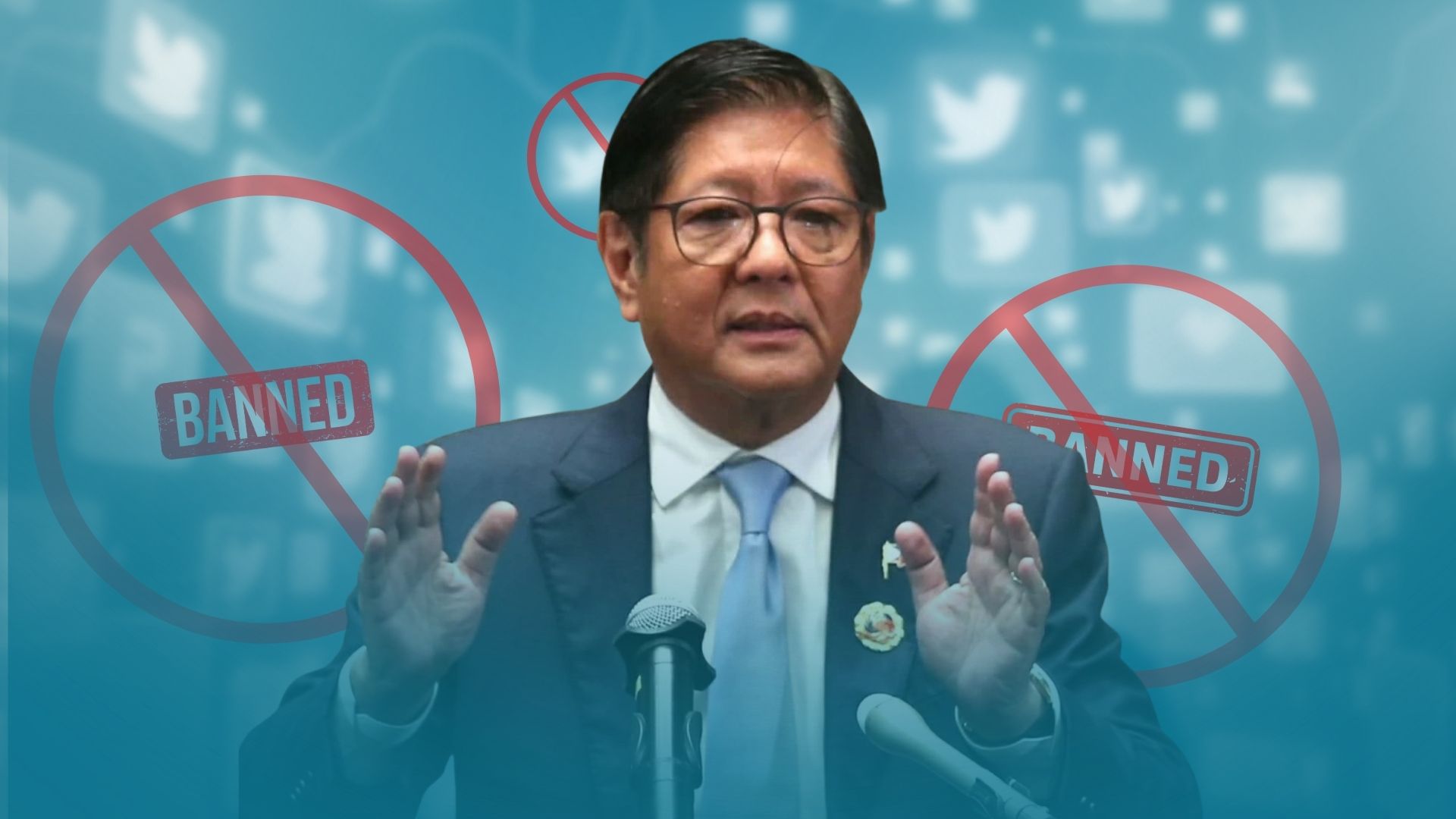
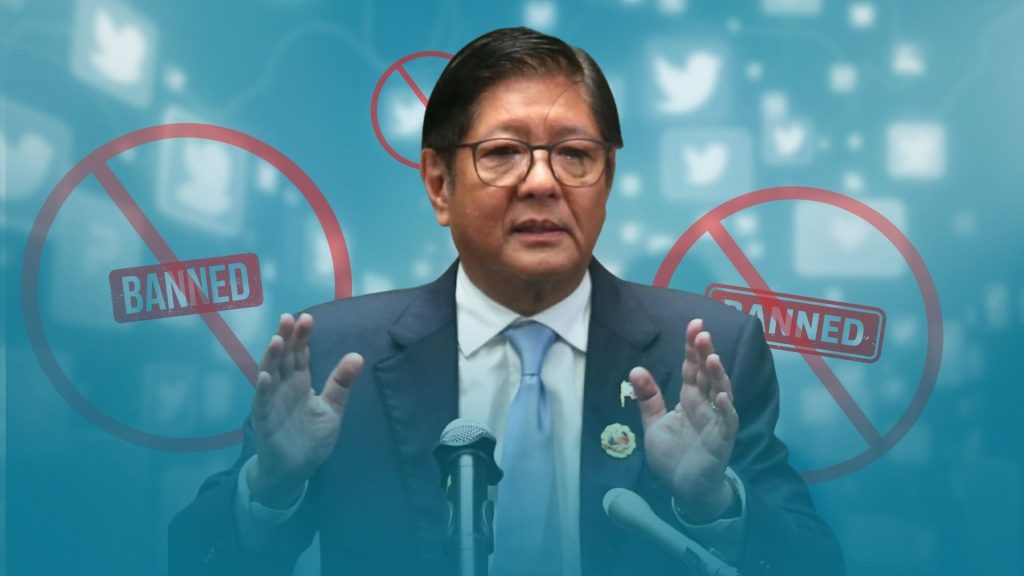
President Ferdinand Marcos Jr. is open to broader restrictions on digital platforms that may expose young people to harmful content in light of recent incidents of deadly violence allegedly tied to social media activity, Palace Press Officer Claire Castro said on Aug. 25.
The remarks followed a statement from the Cybercrime Investigation and Coordinating Center (CICC), which said it was considering recommending a ban on Facebook and other social media platforms.
“Among all gaming apps, the president is open to removing anything that could be considered harmful to the youth and to our country,” Castro said at a briefing when asked whether Malacañang supports the idea.
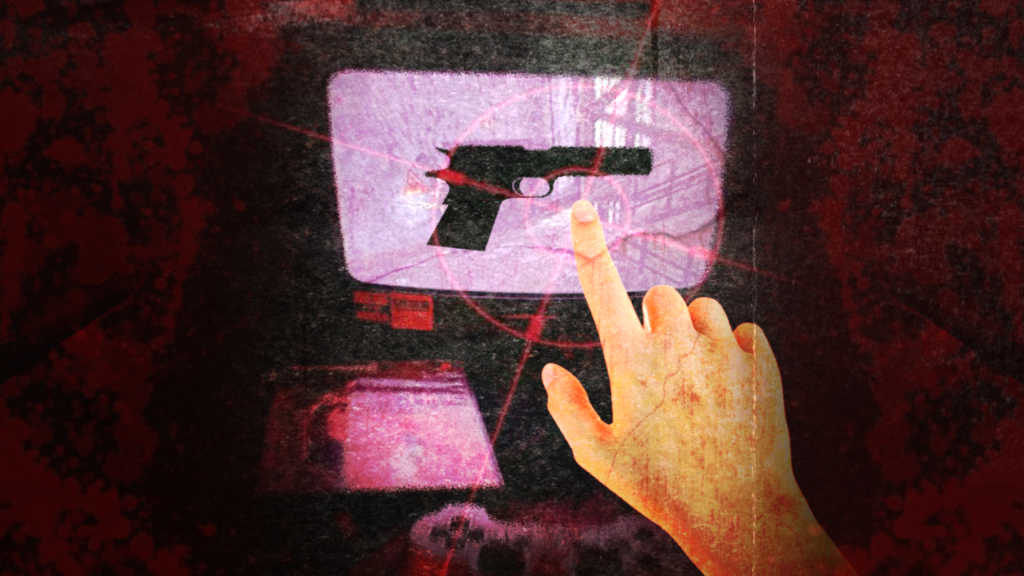
Officials noted that the remark was prompted by investigations into violent incidents, including the Ateneo de Zamboanga University shooting and the Tacloban school attack, in which suspects were reportedly influenced by online communities within games such as Roblox and GoreBox.
Castro noted that certain social media platforms not only expose young people and the wider public to violent content but also serve as channels for the spread of false information.
“It also needs to be studied whether the lack of accountability for social media platforms contributes to the spread of fake news in our country,” she added.
Castro clarified that supporting restrictions on social media platforms over harmful content does not amount to restricting freedom of expression.
“Fake news is different from simply expressing your opinion or being a critic,” she said.
Castro said the administration is particularly concerned about the intentional spread of false information, warning that it could carry serious consequences for the country, especially for young Filipinos.
“Ang hindi lamang po natin matatanggap, lalong-lalo na ang hindi matatanggap ng Pangulo ay ang paglaganap ng fake news,” she said.