







Now Reading: Reaching out to a broken system
-
01
Reaching out to a broken system

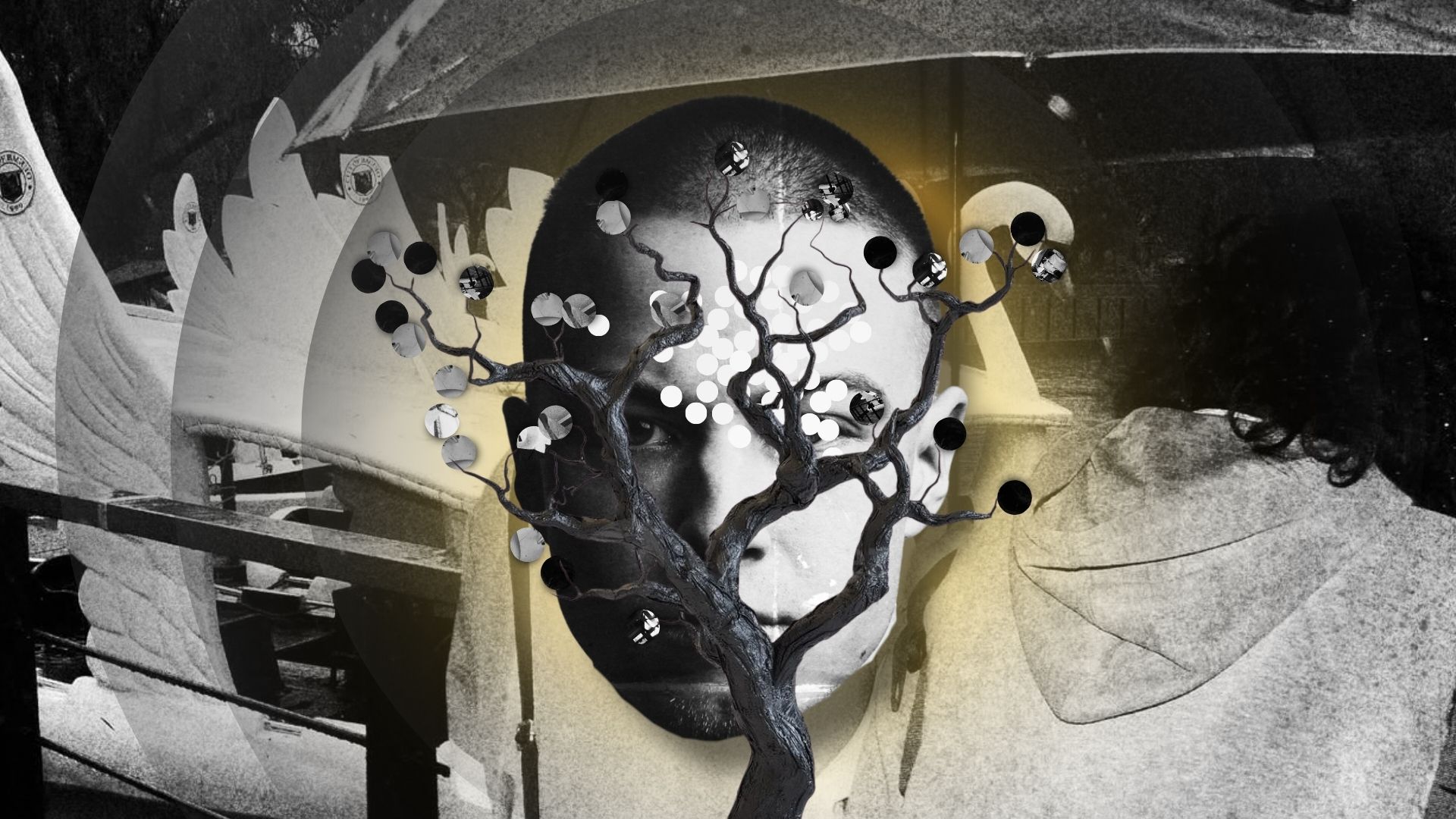
We have become increasingly fluent in the language of suicide prevention every September. Talks about speaking up fill our social media platforms, accompanied by reminders that those who no longer wish to endure another day are not alone.
After years of battling stigma and cultural barriers, we have become more comfortable engaging with conversations about suicide. But talk is cheap when the structural pressures crushing us remain entirely untouched.
During the first half of 2025, the Philippine National Police recorded nearly 2,000 Filipinos who died by suicide. Meanwhile, 111 cases were recorded in Metro Manila from January to March this year–more than double the number recorded during the same period last year, according to the National Capital Region Police Office (NCRPO).
This alarming rate is part of the reason why suicide awareness campaigns become more prevalent during this time of the year. For instance, the Department of Health (DOH), in partnership with the World Health Organization (WHO) Philippines, launched a webinar initiative to advance national suicide prevention efforts. Platforms like these allow individuals to become more aware of the realities surrounding mental health, contributing to the gradual dismantling of a long-standing stigma.
Awareness, however, is only the beginning of the conversation. It is easy to tell someone to reach out; it is far harder to ensure that when they finally extend a hand, there is actually a functional safety net there to catch them.
We have grown accustomed to telling people to reach out–to call emergency hotlines and seek professional help when necessary. However, this ignores whether help is truly accessible, affordable, and humane when individuals actually gain the courage to speak up and actively search for a way to feel better. Because in reality, mental health services are still crumbling under the weight of a system that refuses to prioritize them.
Private therapy remains a luxury reserved for those who can afford to spend thousands for a single session. Meanwhile, our public mental health infrastructure is still plagued by long queues and limited services as it remains severely underfunded.
In 2020, Sen. Risa Hontiveros reported that there was only ₱350 allocation per Filipino suffering from mental health disorder at the National Center for Mental Health (NCMH)–barely enough for a week’s worth of medication. That figure barely went up after years, with only roughly an ₱800 million increase in the budget allocated for both personnel services and other operating expenses from 2020 to 2023. In addition to this, there is also an alarming lack of psychiatrists in the country, where there is only one psychiatrist provided for every 200,000 Filipinos–a huge disparity from the 1 per 10,000 individuals recommended by the WHO.
With inadequate funding and a severe shortage of mental health professionals, the country’s healthcare system for mental health remains unequipped to meet the demand for care.
Echoing the sentiments of Dr. Dinah Nadera–a psychiatrist–where will individuals with mental health conditions go if services are not available in general hospitals? When public hospitals lack psychiatric units and basic care remains out of reach, telling someone in crisis to simply “seek help” feels less like an act of support and more like an abdication of societal responsibility.
So, to whom do individuals turn when the government fails to provide facilities that should have been their safety nets in times of distress?
In a Catholic country like the Philippines, religion has been a source of solace for many individuals in times of crisis. And when mental health services are inaccessible, many struggling Filipinos turn to faith. This, in turn, can reinforce the belief that a simple prayer or a quiet act of devotion can erase the symptoms that have been eating them alive, when this is truly not the case.
There is nothing wrong with seeking comfort through faith–for many, it can provide an important source of belonging and support. But this type of support should not become a substitute for services that should have been made readily accessible by the government. When these services remain out of reach, however, the responsibility of coping is too often pushed back onto the individual–leaving them to find their own ways to survive.
By reducing suicide prevention to a matter of personal willpower and individual outreach, we commit a dangerous sleight of hand. We turn a structural crisis into a private failing, effectively absolving our institutions of their duty to fix the very conditions crushing us. This is not to minimize the lifesaving power of awareness campaigns as they give people the courage to survive another day, but survival alone cannot be where our collective obligation ends.
Prevention requires more than just awareness; it means recognizing that suicide prevention also has socio-economic and political dimensions, particularly in how we fund, structure, and make mental health care accessible.
Moreover, it means recognizing that suicide prevention does not begin and end in a therapist’s clinic or in a crisis hotline. Access to liveable conditions, affordable and dignified healthcare, quality education, and mental health services all form part of the safety nets that allow individuals to live with dignity. So too does building a society where people are protected from violence and all forms of discrimination and harassment.
These are all part of suicide prevention. Because asking people to “hold on” means little if the conditions they are being asked to survive remain unchanged.
Our solidarity, therefore, must transcend slogans and encompass calls for policies and a humane budget that prioritize mental health in the country. It means demanding accessible mental health facilities and social safety nets that will decrease the risk of individuals drowning in distress.
Reaching out should never feel like shouting into a void or knocking on locked doors. Until our leaders match their compassionate rhetoric with real funding and accessible care, the burden of survival will remain unfairly placed on the individual. We have spent years learning how to speak up–now, it is time to demand a system that actually listens and responds.