




Now Reading: Next to bear the presidential mantle
-
01
Next to bear the presidential mantle

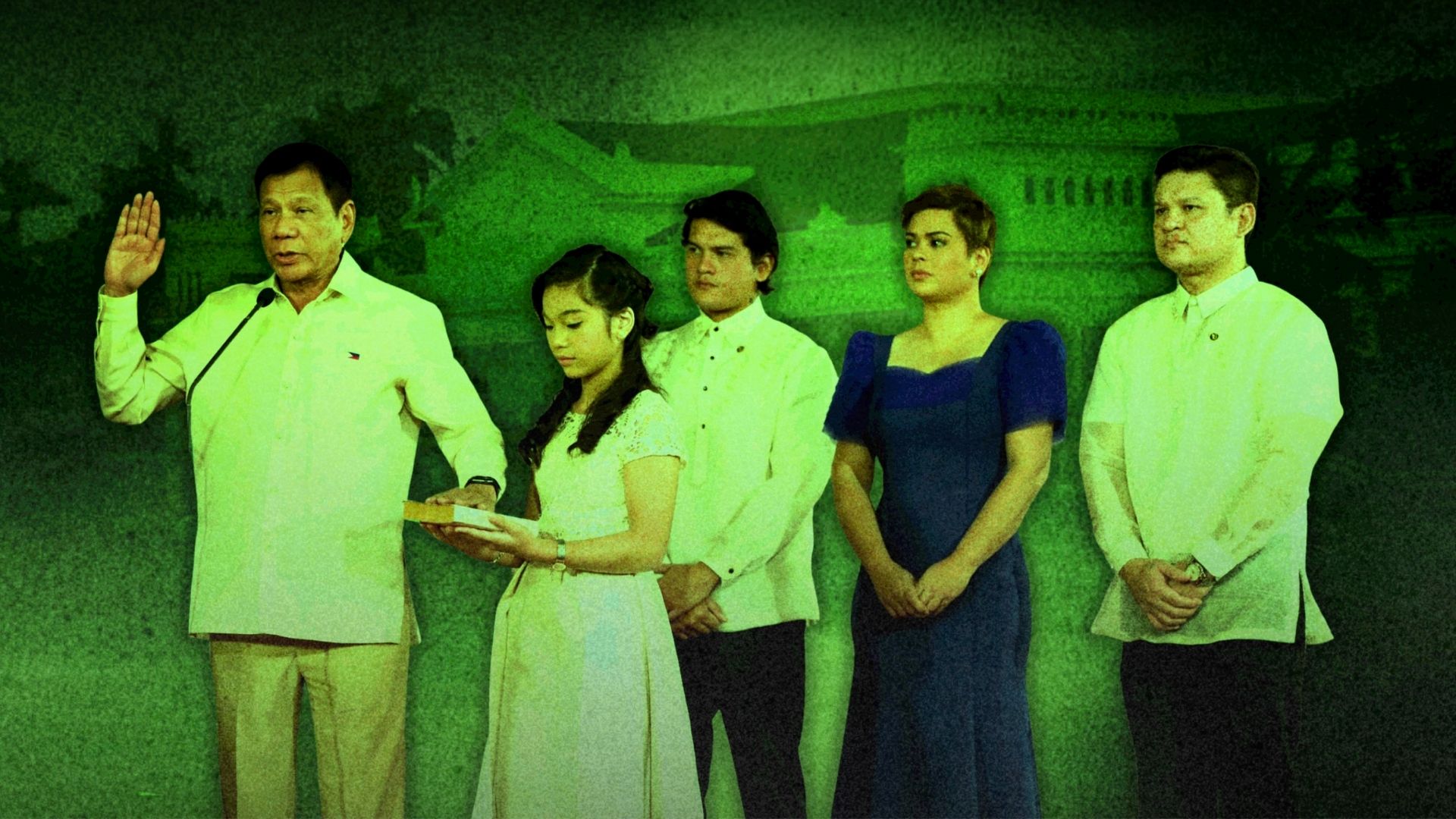
The presidency is not a family inheritance, yet the Duterte political machinery increasingly resembles one that refuses to surrender its claim to national power.
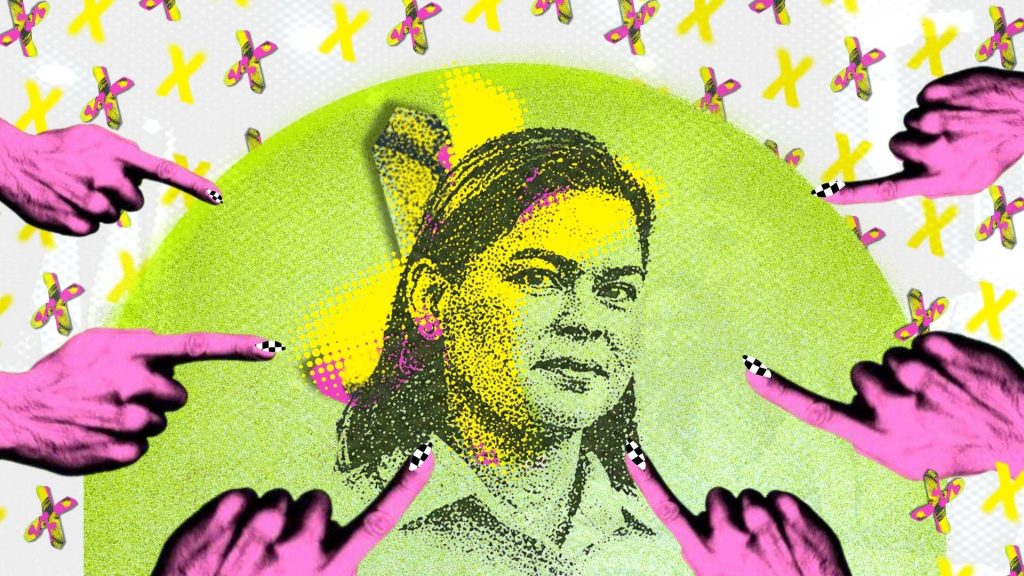
As Vice President Sara Duterte faces an impeachment battle, Davao City Mayor Sebastian “Baste” Duterte is being floated as a possible “Plan B” for the 2028 presidential race. The arrangement is deeply corrosive to democracy: when one Duterte becomes politically vulnerable, another is positioned to keep the family’s grip within reach of Malacañang. What should be a contest of competence, character, and national vision is being reduced to a contingency plan for preserving dynastic power. The presidency must never become a crown with a spare heir.
The first evidence lies in Baste’s ascent as head of PDP-Laban, giving him a national political platform while his sister’s political future remains uncertain. ACT Teachers Representative Antonio Tinio described the move as part of a possible fallback strategy should Sara Duterte be prevented from running in 2028, as reported by News5. The timing is politically telling. While the country confronts an impeachment proceeding involving the Vice President, another member of the same family is gaining a stronger institutional foothold. The political machinery does not disappear when one candidate falters; it simply prepares another Duterte to carry it forward.
The second evidence is more explicit. Former Anakalusugan Party-list Representative Mike Defensor stated that their political group would field Baste for president if Sara were removed from the race, according to Rolling Stone Philippines. This is no longer merely an abstract discussion of political possibilities. It presents Baste as a ready alternative should his sister’s candidacy collapse. Such a framework exposes the ugly logic of dynastic politics: the individual may change, but the political brand survives; the candidate may be replaced, but the family remains positioned to retain national power. The ballot risks becoming a revolving door for the same political bloodline.
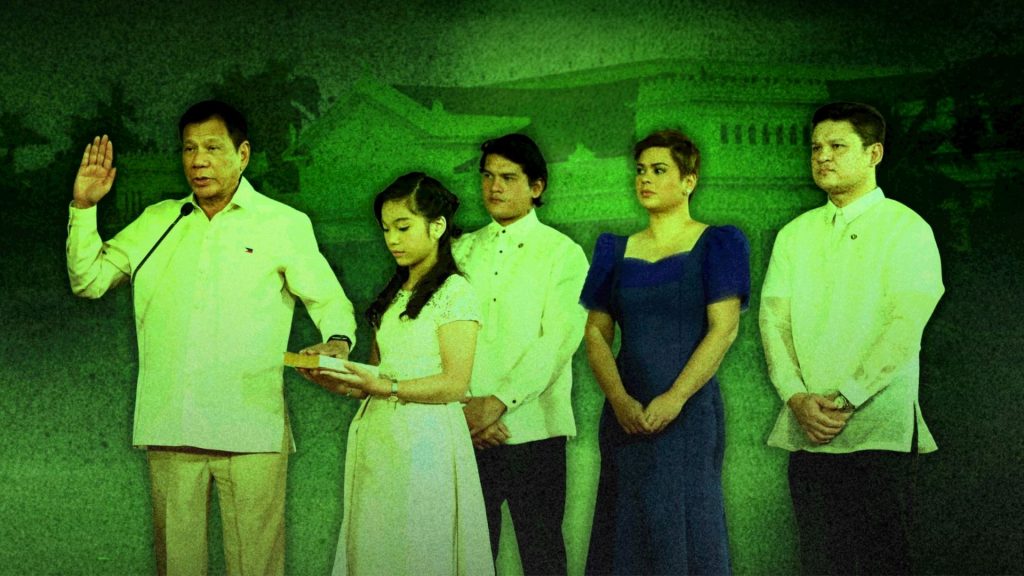
The third evidence comes from within the Duterte family itself. Sara Duterte disclosed that her mother, Elizabeth Zimmerman, had once advised her to step back while Baste pursued a national position, as reported by GMA News. Sara has clarified that she and Baste have not formally discussed a 2028 presidential bid, and that distinction must be respected. Nevertheless, the disclosure demonstrates how readily the country’s highest political offices can become subjects of family deliberation. National leadership must never be reduced to a private succession arrangement discussed within a political household.
Supporters may insist that Baste Duterte has every right to run for president. He does. The concern is not his candidacy itself, but the possibility of turning elections into a mechanism for dynastic reproduction—where one family member can simply step in when another becomes politically vulnerable. The candidate changes; the machinery remains. Democracy becomes less a contest of competing visions and more a vehicle for preserving one family’s access to power.
The solution must be institutional, not personal. Political parties must establish transparent and democratic processes for selecting candidates instead of functioning as vehicles for personality-driven succession. Congress must finally enact meaningful legislation addressing political dynasties in accordance with the Constitution’s mandate. Electoral and campaign-finance rules must be strengthened so political machinery and family wealth cannot overwhelm genuine competition. Most importantly, voters must demand measurable platforms, credible records, and demonstrated competence from every candidate, regardless of surname. The antidote to dynastic politics is not another dynasty with a different name; it is a democracy strong enough to make every political name earn its place.
The Filipino government belongs to the Filipino people—not to political clans preparing successors behind the curtains. The 1987 Constitution is unequivocal: the Philippines is a democratic and republican State, and sovereignty resides in the people. It also calls for equal access to public service and the prohibition of political dynasties as defined by law. Baste Duterte may choose to seek the presidency, but no family should be able to treat public office as an inheritance passed from one generation to the next. The Philippines is a republic, not a royal court. Its democracy must remain grounded in a simple constitutional principle: government authority emanates from the people—not from any political clan.