




Now Reading: This National Indigenous Peoples Month, our appreciation for them must not end with this celebration
-
01
This National Indigenous Peoples Month, our appreciation for them must not end with this celebration
This National Indigenous Peoples Month, our appreciation for them must not end with this celebration

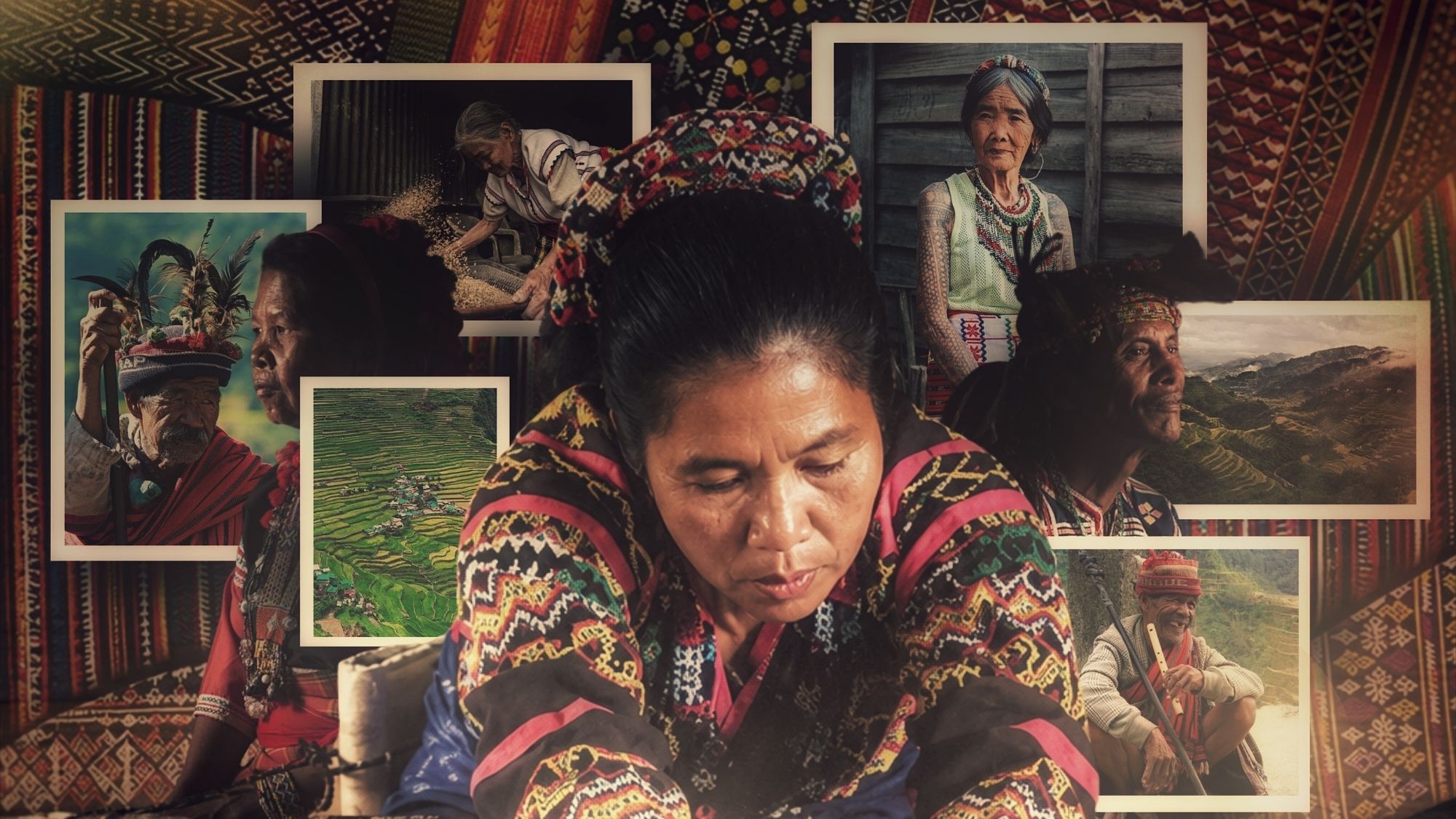
Mayzelle Amerie Rafiñan and Zyle Amante Salazar
To carry on with their heads held high not only for themselves, but also for future generations—this is often the thought that lingers among those who bear the weight of ensuring the longevity of a heritage that has withstood the tests of time.
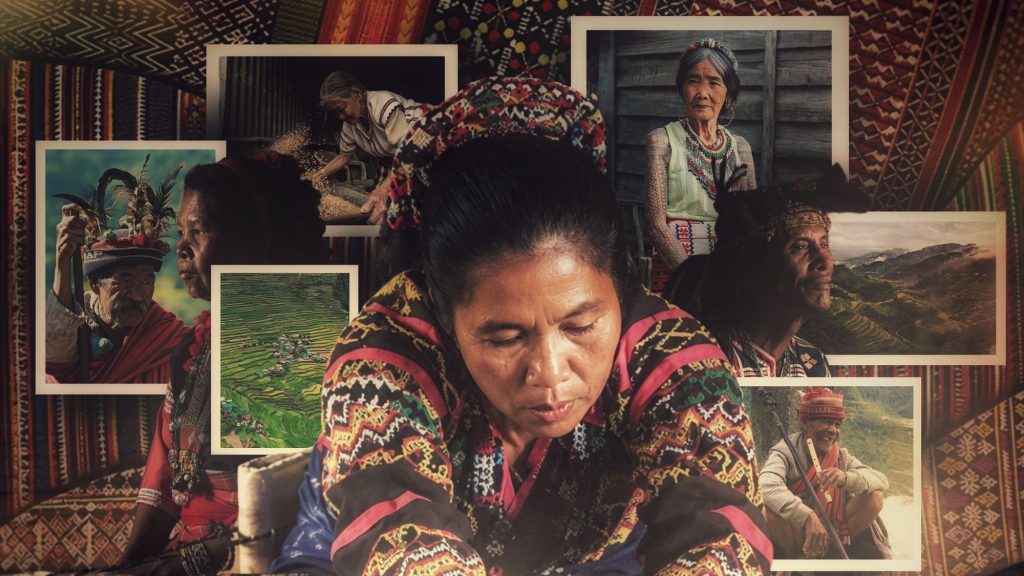
As the clang of the brass gongs seemed to cradle the silence, some sang the chants and taught ceremonial dances to their kin, while others placed the old knowledge of their ancestors into the palms of the youth. The rest wear the woven silk made with intricate patterns passed down from one generation to the next. To them, carrying their cultures forward is more than simply keeping traditions alive; it means holding on to the language, beliefs, histories, and identities that define their communities.
Such is the life of many indigenous groups in the country, many can consider a melting pot of cultures, both old and new. But beyond the colorful realities seen by the naked eye lie continuous battles and experiences that cannot be fully understood just through a performance. Struggle against modernization lingers while villages struggle to maintain a grip on their lands.
When all the festivities and novelties are put away, how much of their stories do we really carry within us?
Beyond the written traditions
As the dawn breaks on the first of the month, stories etched into the pavement trace their way back along the winding vines of ancestral lands. Every October, we celebrate Indigenous Peoples’ Month by giving honor to those individuals and communities who once held—and will always hold onto our culture and heritage.
To some, they may appear merely as history-keepers. However, in truth, these individuals have shaped our present by keeping ancestral domains intact, and by building a brighter, culturally-grounded future despite the inevitable pacing of modernization.
As noted by the Philippine Statistics Authority (PSA), there are roughly 9.84 to 17 million Indigenous Peoples (IPs) and Indigenous Culture Communities (ICCs) across the country, comprising 10% to 17% of the total population. It has always been far from a faint whisper of past life limited to traditions—it is a sub-sector with vibrant culture, echoing communities, and rhythmic life that is beyond media portrayal.
During October, cultural celebrations take place in different communities, such as the Dayaw Festival organized by the National Commission for Culture and Arts (NCCA). Derived from the Ilokano word “dayaw,” which means “to honor,” this celebration serves as a gathering for different indigenous communities across the country.
The rhythm of instruments goes beyond their areas, and the flash of vibrant patterns is indeed woven beyond the textile to serve their sole purpose: to present heritage, to awaken dormant beliefs, and offer a glimpse of reality to those outside their society. Yet when appreciation lingers only in its common stage—capturing aspects like traditional clothing, choreographed dances, native songs, and seasonal presentations—this is where the limitations harm the populace it must serve.
Indigenous living was never limited to being an ornament of society. It is a breathing system that lives in the quiet cadence of native tongues spoken at home, the oral stories passed down by firelight, sacred beliefs, and wisdom refined across decades and centuries.
Forged from the values they have nurtured throughout the spring of centuries, and the ancestral soil planted within the lines of their palms, the Indigenous Peoples’ Rights Act (IPRA) of 1997 has stood strong along with them. It struck deep roots into the rich soil so that indigenous people will be able to plant their seeds and cultivate a land that will be recognized for a lifetime: a land they have full control over, a community built on cultural governance, and a life to be continued from past to future.
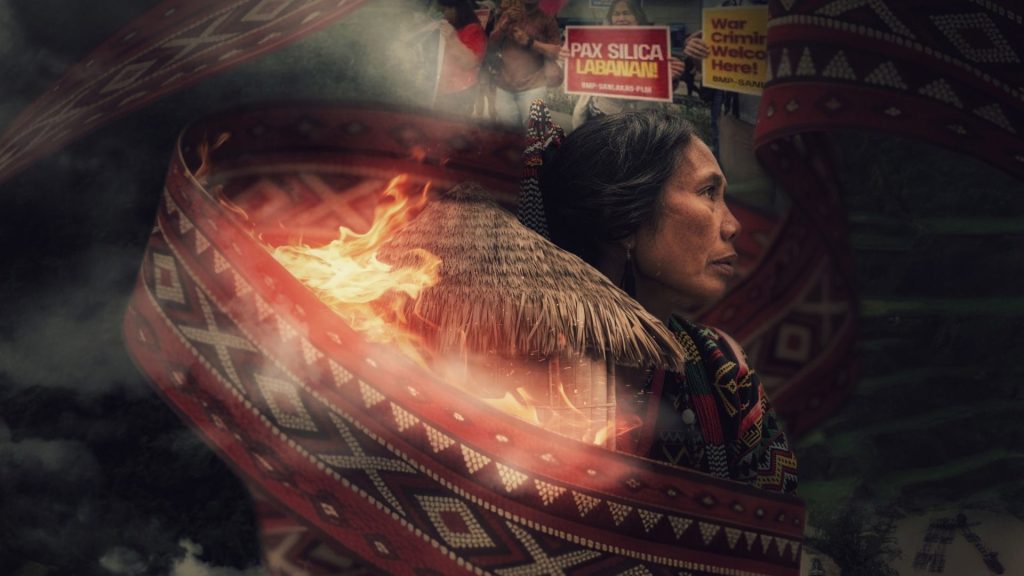
However, with a system favoring modernization, some indigenous communities experience inequality even inside their homes. For instance, the Manobo tribe in the Pantaron Mountain Range of Mindanao had experienced multiple displacement cases due to industrial projects. But the saddening part is that the mining and logging operations within the mountain range not only evict the communities living there, but they have also caused social conflicts, threats, and killings against the tribe.
For the Manobo, losing the Pantaron Range is not merely losing a home—it means forfeiting the very soil where their ancestral life, identity, and future took root.
In the hands of those who remember
Different communities share different cultures and different problems. While the Manobo risk the loss of their homes, other groups are at the forefront of another kind of battle—one against modernity and the erasure of tongues.
Every island bears its own heritage. Among these lands is the home of the Abaknon people, Capul, or rather, Abak, as its inhabitants say.
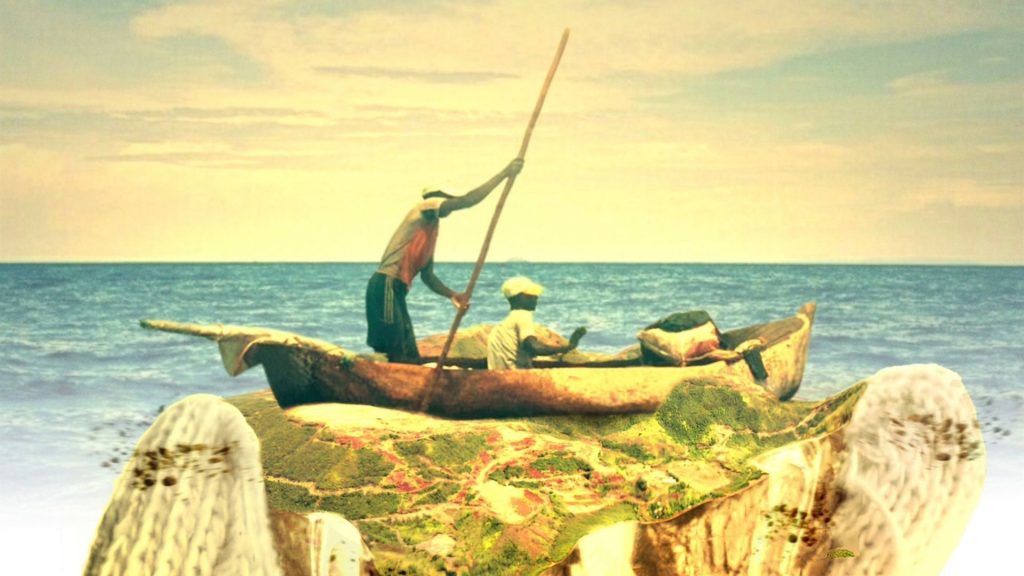
Tucked between the Samar islands and the Bicol Peninsula, they bear a unique linguistic sanctuary—the only Sama-Bajau language with predominantly Christian speakers, Sama Abaknon or Inabaknon. They believe that culture has never been written down in thick history books bound with leather covers; it is a living entity immortalized through generations by word of mouth, trade, fishing, and storytelling.
This knowledge extends beyond words. According to the National Museum of the Philippines, Abaknon fisherfolk have long observed the moon, sea currents, winds, and natural signs to guide their fishing activities and anticipate bad weather. Even amid modern technology, these practices reflect generations of learning from the environment.
For Ma’am Milen Esteria, an Abaknon educator and active member of the community, being an Abaknon means belonging to a people whose culture continues to bind their society together. It means embodying the Abak way of being hospitable, creating a unity that encompasses their rich cultural heritage. This attitude allowed them to adapt to every change.
Currently, trade and discourse between neighboring islands are going smoothly. Many Abaknons have become more acquainted with the world beyond their island and have begun to adapt to Filipino and English.
Despite this, it remained noticeable how as generations passed, some traditions became abandoned with no one carrying it forward. She noticed how most Abaknon youth nowadays could barely speak words that used to be common.
The constant movement of neighboring languages made it easier for youth to simply stick to Filipino or English words. For example, the word ‘baga’ is replaced with “lungs” and the expression ‘diba’ becomes favored more than the local baga (ba-GA).
She also pointed to the possible influence of social media, foreign factors, and interactions among people who speak different languages. With many television programs presented in Filipino or English, and families sometimes using different languages at home, younger generations may have fewer opportunities to practice Inabaknon in their daily lives.
This makes strengthening the language all the more important.
“It’s not only a language; it is a tool that plays a significant role in shaping and preserving our Abaknon culture,” she explained, emphasizing it as not merely a means of communication—rather a part of their identity.
In her own way, Ma’am Milen has taken steps to keep this heritage alive by sharing Abaknon folk stories, known as mga surusurumaton, through storytelling videos on Facebook. By bringing these stories to a modern platform, she helps make their cultural heritage accessible to younger audiences who might otherwise grow distant from it.
For her, keeping this heritage alive begins at home, where parents and elders can teach children to speak their mother tongue and understand the culture behind it. Beyond language, she takes pride in the Abaknon tradition of maintaining strong family ties, welcoming visitors, and helping one another.
These customs may seem ordinary, yet they are the threads that hold a community together. Their survival depends not only on remembering the past, but on practicing its values in the present.
Seen by many, understood by few
Despite the cultural colors that have sprouted throughout the archipelago, inequalities still take place among the roots of living indigenous groups. Slowly, it poisons the lives of those whose tongue and principles seemed different from the usual. Moreover, it damages the society built for them.
Along the streets of cities like Metro Manila, is where diversity takes place. However, in the societal view, diversity means erasure; a revision of the identity carved within the soul of a person. An individual from a group may be able to live in a city, yet only if they could survive the harshness of rumbling tires, thick asphalt, and judging stares—the worst-case scenario, some of them had to live through a reality wherein they had to sculpt out another identity just to fit into the radiating flow of urban living.
This pressure to conform is also fueled by how indigenous cultures are misunderstood, stereotyped, or informally depicted in both textbooks and modern media. Textbook lessons often reduce distinct groups to historical chapters, often perceiving them as ancient figures rather than living citizens. Outside the classroom, this disconnect opens a door to commercial exploitation and intellectual property loss.
Despite legal safeguards established to defend their rights over their sacred works, handwoven patterns perfected over generations, mass-produced knockoffs are still being produced to imitate what the indigenous people put a lot of effort into. Cultural symbols and sacred attire, mostly intended for rituals and cultural celebrations, are also prone to being worn inappropriately, often used as casual fashion without the direct consent of the community.
A clear line separates respectful cultural appreciation from treating living traditions as fleeting trends for entertainment. Genuine appreciation begins with humility, curiosity, and a willingness to look into the shadows of quiet crises. It demands seeing the weight of frequent discrimination and feeling the subtle, aching loss as the native tongue slowly slips into silence.
According to the Komisyon sa Wikang Filipino (KWF), roughly 39 to 40 indigenous languages across the archipelago are at risk of endangerment, quietly fading as fewer young voices carry them forward. Centuries of sacred wisdom, epic chants sung along the forests, and intricate customary knowledge slowly fade into the air, leaving a void in the nation’s memory.
For these communities, history is not a collection of paper with faded narratives, nor is identity something reserved for celebrations only. In truth, they carry a vibrant, living presence and unbroken heritage—one that continues to shape the reality of our nation.
Woven into the present
Indigenous Cultural Communities (ICCs) prove every day that preserving heritage does not mean being contained in one past. We see them live their lives in a dynamic way, continuously honing their traditions by seeing more of the world, learning how it works outside their community, and adapting to the ever-evolving demands of modern life.
The preservation of their cultures was never limited to the relics found inside historical museums. Most of the time, the greatest cultural symbols were found in their rich and vibrant communities, where they spent time living without the pressure of being contained in one identity. Through intergenerational effort, the survival of their heritage remains an active, daily practice.
As their elders serve as respected individuals for customary laws, oral epics, and ancestral knowledge, a rising generation of indigenous youth, educators, artists, and leaders is stepping up to bridge culture into the present by intricately weaving traditions with the tools of today. These individuals are leveraging digital media, contemporary visual arts, and modern storytelling to amplify the voices of their community and share their heritage on terms that matter and give honor to it.
To ensure that the heritage endures beyond modernization, institutional support carries an instrument that actively reinforces community-led education. Through NCCA, initiatives like the School of Living Traditions (SLTs) establish community learning centers on ancestral domains. Beneath the shade of community sanctuaries, elders and master artisans pass down an intangible heritage alive, not as a faded memory, but something they can enclose within their palms as long as they can.
Beyond the celebration
When the crowds disperse, and the celebrations become distant memories, Indigenous communities must still face the struggles that no performance can fully portray—the loss of ancestral lands, the fading of native tongues, and a society that too often says on valuing their heritage without truly understanding its people.
Cultural appreciation must never end with applause. It demands more than admiring intricate weaves, memorizing dances, or celebrating traditions once a year. It requires the courage to listen to voices long ignored, the humility to respect what is sacred, and the willingness to recognize Indigenous peoples as living communities whose rights, identities, and futures deserve protection.
For their heritage is not a relic to be displayed, a costume to be borrowed, or a story to be told only when the occasion calls for it. It is woven into the lives of those who continue to speak their mother tongues, teach their children the wisdom of their ancestors, defend their ancestral lands, and carry their identities into a changing world.
When the music stops, let us not leave their stories behind. Let us carry them beyond the celebration—not as spectators of a culture we admire from afar, but as a nation willing to listen, respect, and stand beside the people who keep it alive.