





Now Reading: When lessons wear sneakers on the International Day of University Sport
-
01
When lessons wear sneakers on the International Day of University Sport
When lessons wear sneakers on the International Day of University Sport

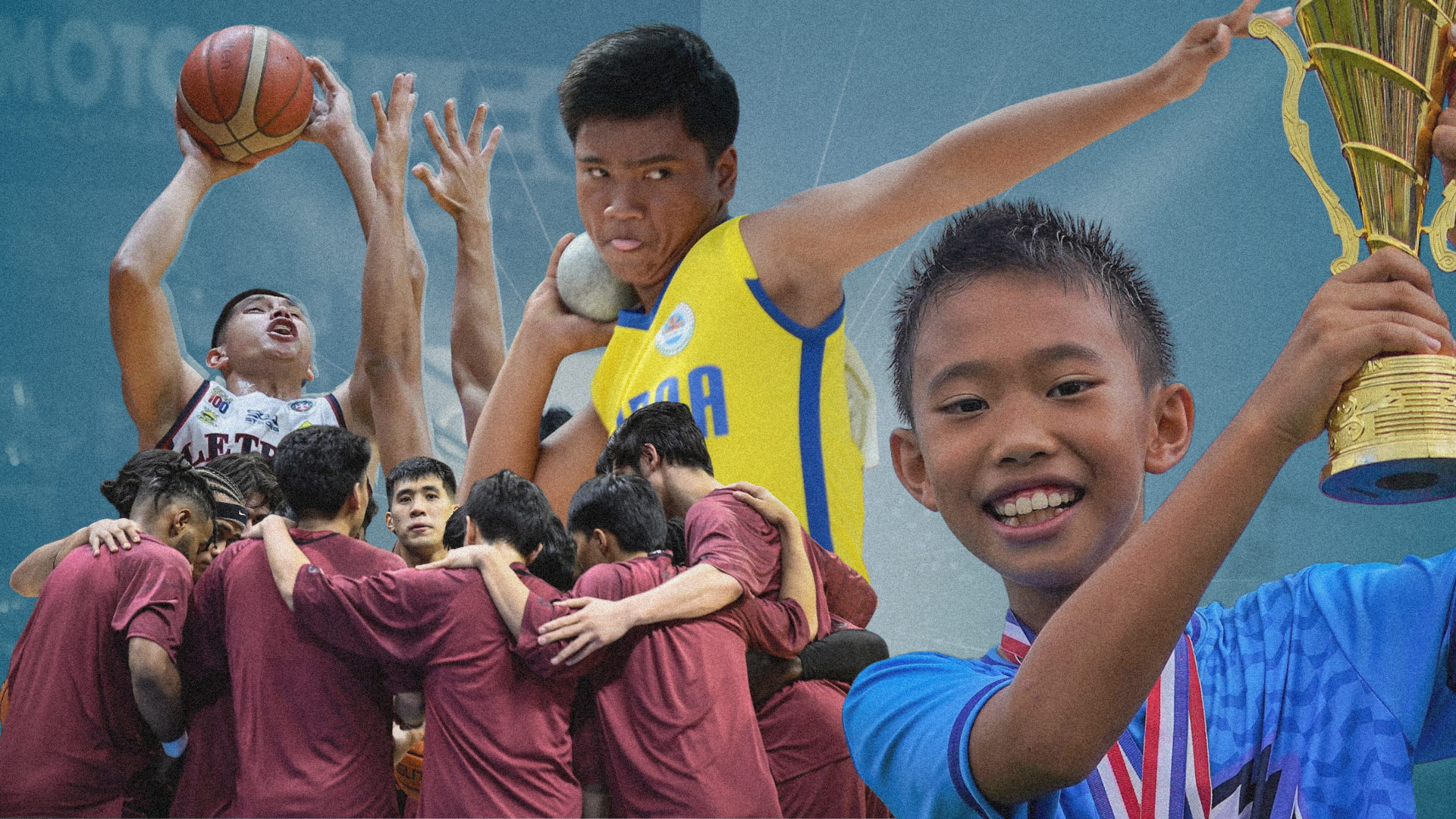
September 20 arrives every year, and with it, the International Day of University Sport—a global observance first declared by UNESCO and the International University Sports Federation (FISU). Elsewhere, the date may seem ceremonial, just another line in the campus calendar; but in the Philippines, where the physical and intellectual lives of students so often collide in cramped spaces and uneven fields, the day carries the weight of something more urgent.
Here, sport is not an accessory to education; it is a parallel curriculum. It unfolds in UAAP arenas where the roars are deafening, but also in barangay half-courts where floodwater laps at the baseline and players chase a ball patched with duct tape. It lives in the intramurals of provincial state universities where athletes sprint barefoot, and in the high-stakes SCUAA meets where thousands of young people from across Luzon, Visayas, and Mindanao arrive not with polished gear but with sheer endurance. The contradiction is sharp: spectacle at the top, scarcity at the base—yet the spirit binds them all.
Between prestige and precarity
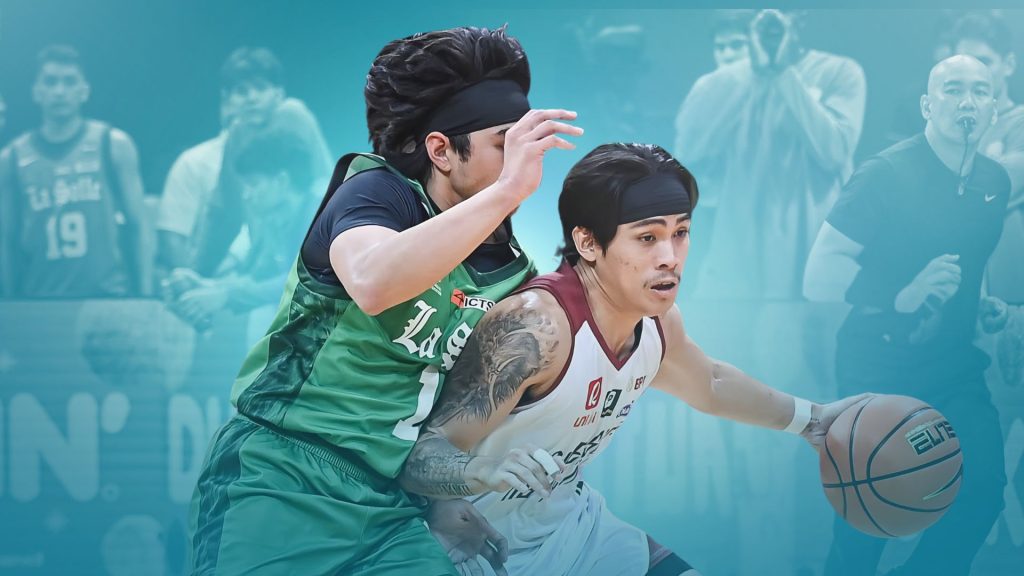
There is no denying the asymmetry. Ateneo and La Salle polish their rivalries in well-lit domes; the University of the Philippines, with its Fighting Maroons, draws alumni to their seats in droves. Meanwhile, in Pangasinan or Cotabato, psychology majors and criminology cadets argue over who gets to use the single functional gymnasium, and nursing students in Cavite turn parking lots into makeshift volleyball courts.
And still, they play. The persistence itself becomes the point. “We don’t train with resources,” a political science student from Dagupan said during a SCUAA meet. “We train with resilience.”
This duality—prestige on one hand, precarity on the other—captures the condition of university sport in the country. It is simultaneously a source of national pride and a mirror of systemic neglect, producing Olympians and national team athletes while leaving many grassroots programs with barely enough funding to keep a scoreboard lit.
Sport as a social pulse
If classrooms shape intellect, courts and fields shape temperament. The International Day of University Sport surfaces this truth with clarity: that games are not only about winning, but about weaving fragile communities together.
In Mindanao, where histories of conflict linger, intercollegiate basketball leagues have been used deliberately as reconciliation platforms, pairing Muslim and Christian students on the same side of the scoreboard. In Manila, student councils reimagine intramurals as “sports diplomacy,” fielding teams that mix fraternities known for their rivalries, or faculties that rarely share space.
Even during the pandemic, when courts stood empty, the pulse persisted. Athletes moved online, staging virtual fitness challenges, livestreaming cheers, and building digital solidarity where physical gathering was banned. That improvisation did not dissolve when restrictions were lifted; it hardened into habit. In 2024, CHED-led observances of the International Day of University Sport saw schools staging “green games”—fun runs that ended in mangrove planting, cycling events framed as climate advocacy, tournaments that deliberately fused athletic competition with public health campaigns.
Here, sport becomes more than an outlet for stress or a ladder for prestige. It becomes a language of community, a form of activism, and in many cases, the only safe ground where difference is not only tolerated but transformed into teamwork.
Bodies that teach, campuses that learn
Across the Philippines, every game doubles as a lesson. A UP cager catching the first jeepney at dawn to squeeze in drills before a chemistry exam, a Visayan volleyball squad stretching a net across a parking lot, a Mindanao runner circling a rain-slicked oval after night classes, all show that the practice of sport is also the practice of discipline. They learn time management, teamwork, and grit not from a syllabus but from the daily choice to keep moving when resources are scarce.
Universities absorb these lessons, too. When state colleges turn a single cracked court into a community arena, or when SCUAA meets transform tiny budgets into national spectacles, campuses are reminded that education is not confined to lecture halls. The perseverance of their athletes proves that a nation’s true classrooms can be found wherever sweat and scholarship share the same ground.
Lessons beyond the scoreboard
The genius of sport in the Philippine university context lies not in trophies—which tarnish, gather dust, and are quickly replaced—but in the ungraded lessons that endure: humility in defeat, restraint in victory, discipline in repetition, and the stubborn belief that one must return, always, after every fall.
This is what September 20 affirms. That to educate a student is not only to sharpen the mind but to strengthen the body and steady the spirit. That the cracked court in a provincial college is as much a classroom as the lecture hall. And that every lay-up, sprint, or dive is also an act of resilience in a nation that demands endurance at every turn.
So when Filipino students gather again this year—under fluorescent lights of arenas or under the blistering sun of open fields—they do not merely commemorate a global day. They rehearse the future: one that requires the stamina to keep moving, the courage to keep playing, and the faith that even in a fractured, underfunded system, the simple insistence on showing up remains the most radical victory.